
Ordering new speakers only to find they sit a quarter inch too deep for the door, or that the rear deck holes are oval when you bought round, is one of the most common and frustrating mistakes in car audio. The good news is that almost every vehicle uses a small set of standard car speaker sizes, and once you know where to look, finding the right fit takes a few minutes. This guide breaks down speaker sizes by location, explains the measurements that actually decide fitment, and helps you choose between the most popular options for each spot in your vehicle.
The Most Common Car Speaker Sizes
Most cars, trucks and SUVs use some combination of the sizes below. Speaker size is measured by the nominal diameter of the frame (or width by height for oval speakers), not the cone itself. That is why two speakers labeled 6.5" can have slightly different cutout diameters and still fit the same opening.
| Speaker Size | Where It's Usually Found | What It Does Best |
|---|---|---|
| 2.75" | Dash corners, A-pillars, center channel | Vocals and detail in tight spaces |
| 3.5" | Dash top, front corners | Midrange clarity and imaging |
| 4x6" | Dash, older doors, some trucks | Basic full-range in shallow spots |
| 5.25" | Doors and rear decks in compact cars | Balanced mids with tighter bass |
| 5x7" / 6x8" | Doors in many Ford and Mazda models | Oval output in round-style openings |
| 6.5" | Front and rear doors in most vehicles | The all-round door speaker standard |
| 6x9" | Rear decks, truck doors, some SUVs | Deeper mid-bass and higher output |
If you only remember one thing, remember this. Doors are usually 6.5" or 5.25", dashes are usually 3.5" or 2.75", and rear decks are usually 6x9" or 6.5". Everything else is the exception rather than the rule.
How to Find Out What Size Speakers Fit Your Car
There are three reliable ways to confirm your speaker sizes before you buy. The first is your owner's manual or a factory audio spec sheet, which sometimes lists each speaker location. The second is a vehicle-specific fit lookup, and you can start with our Select Your Vehicle page to browse gear grouped by make. The third, and the most accurate, is pulling the grille or panel and measuring the factory speaker yourself.
Measuring sounds intimidating, but it rarely takes more than a door panel or a few dash clips. You are looking at the mounting hole spacing, the cutout diameter, and how much room there is behind the speaker before it hits the window track, glass or metal. Those three numbers decide whether a new speaker drops right in or needs an adapter.
Pro Tip: Measure mounting depth with the window rolled all the way down. Door glass travels behind the speaker, and a speaker that clears with the window up can crack or scratch the glass the first time you lower it.
Door Speaker Size Guide
Doors are where most of your sound comes from, so getting the door speaker size right matters more than any other location. The large majority of modern vehicles use 6.5" speakers in the front doors, and many use the same size in the rear doors. Compact cars and some Japanese models use 5.25", while several Ford, Mazda and Lincoln models use oval 5x7" or 6x8" openings.
6.5" Door Speakers
Since 6.5" is the most common door size, it also has the widest selection. For a simple factory replacement, the Orion Cobalt CB653 at $49.95 and the DS18 GEN-X 6.5" at $59.95 are easy upgrades that run well on head unit power. Stepping up, the Orion XTR65.3 at $99.95 adds more output for listeners who like volume.
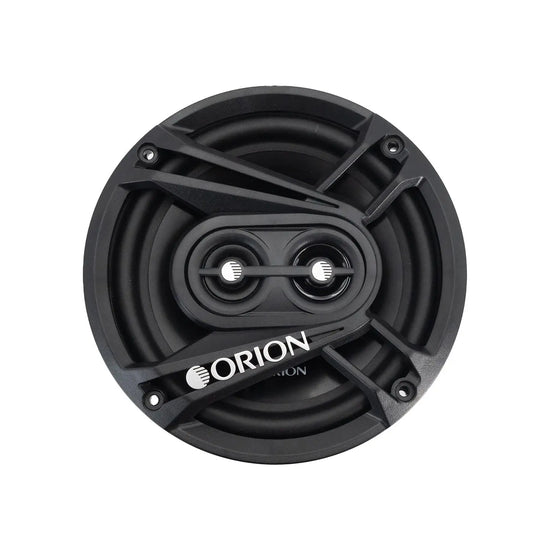
If your doors are tight, shallow mount speakers save a lot of trouble. The Orion XTR65.2SL at $84.95 and the DS18 PRO-ZT6SL slim loudspeaker at $89.95 are built for doors where a standard magnet won't clear.
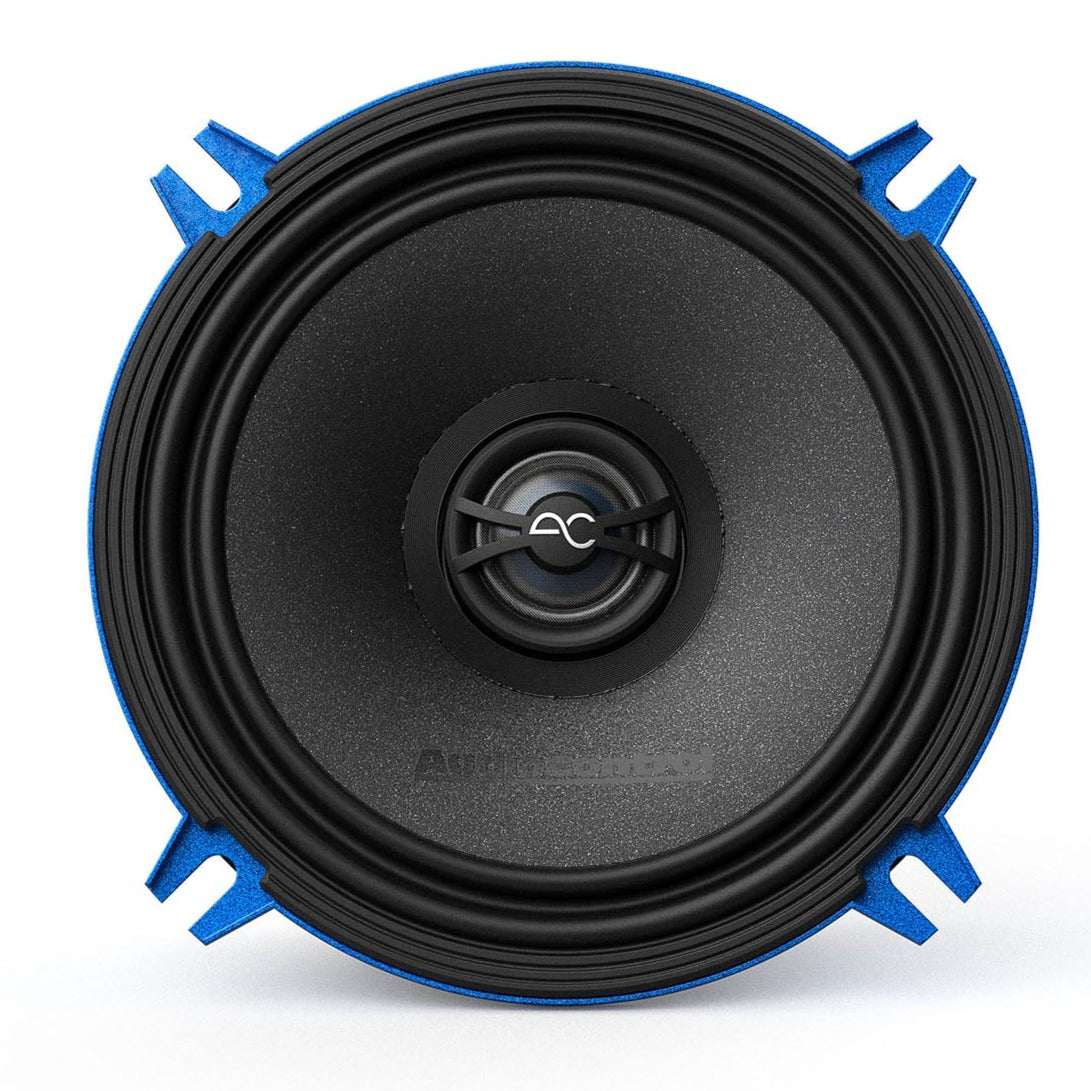
For sound quality builds on an amplifier, the AudioControl EPICPRO6CX at $199 handles 200 watts RMS, and the Deaf Bonce Apocalypse AP-X65A is currently on sale at $143.90 (was $159.90) for louder systems.
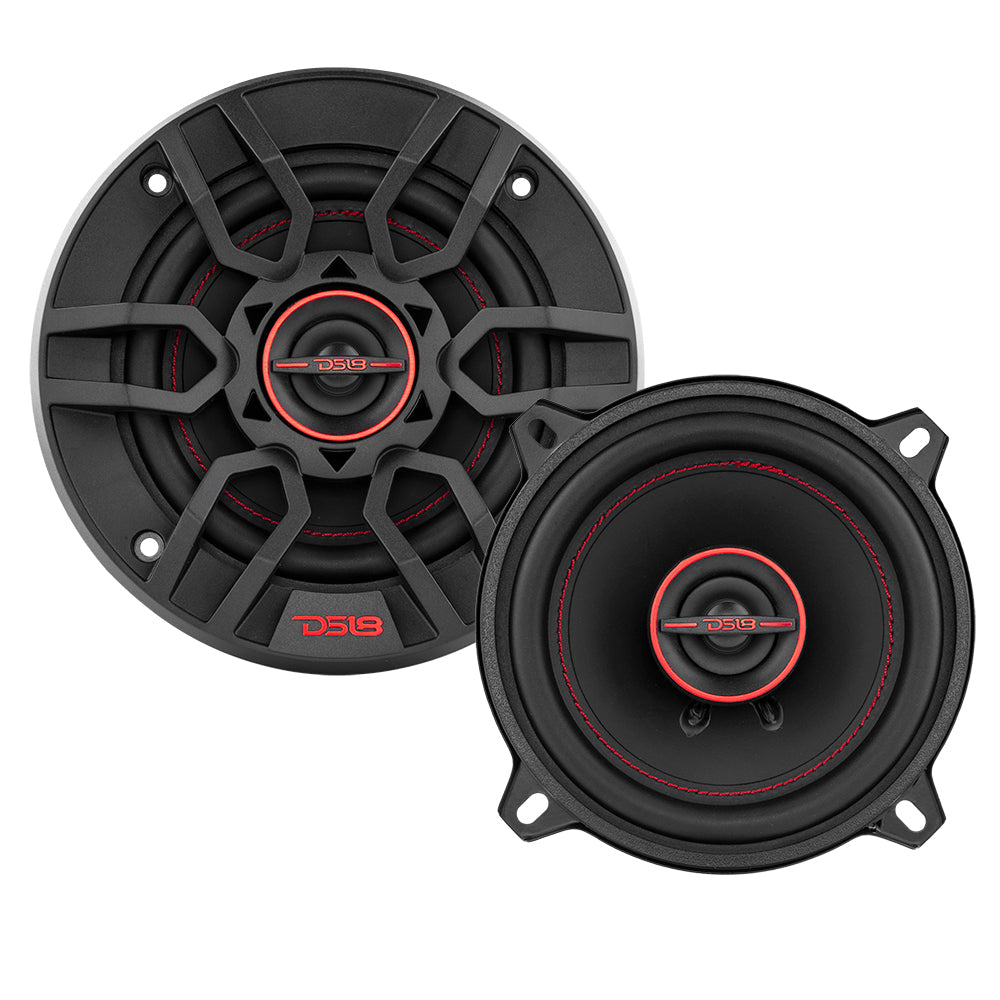
5.25" Door Speakers
A 5.25" speaker has a smaller cone, which means slightly less mid-bass, but it often sounds tighter and more controlled in small doors.
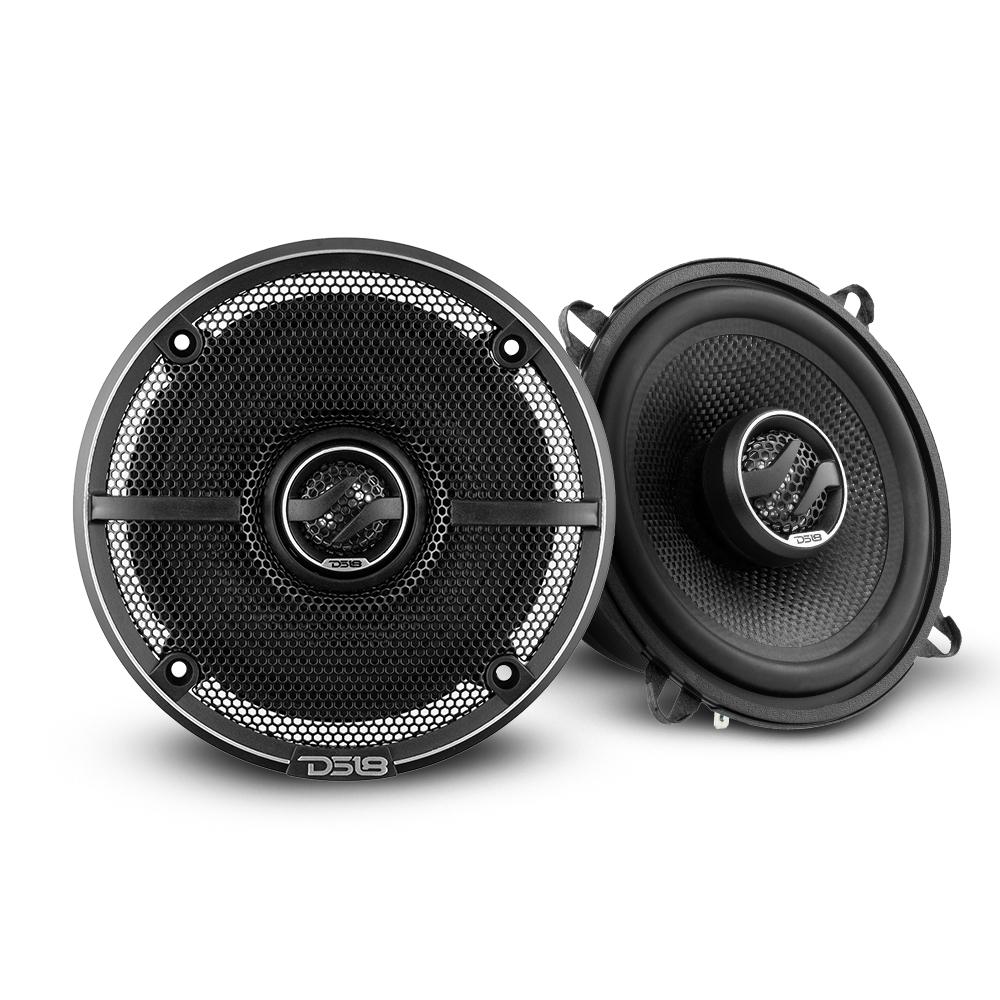
The DS18 GEN-X 5.25" at $54.95 is a budget-friendly swap, while the DS18 ZXI-5254 with a Kevlar cone at $84.95 and the Orion XTR52.2 at $79.95 bring more detail and power handling. For a high-fidelity setup, the AudioControl PNW-525 at $249 is one of the cleanest-sounding 5.25" coaxials in the store.
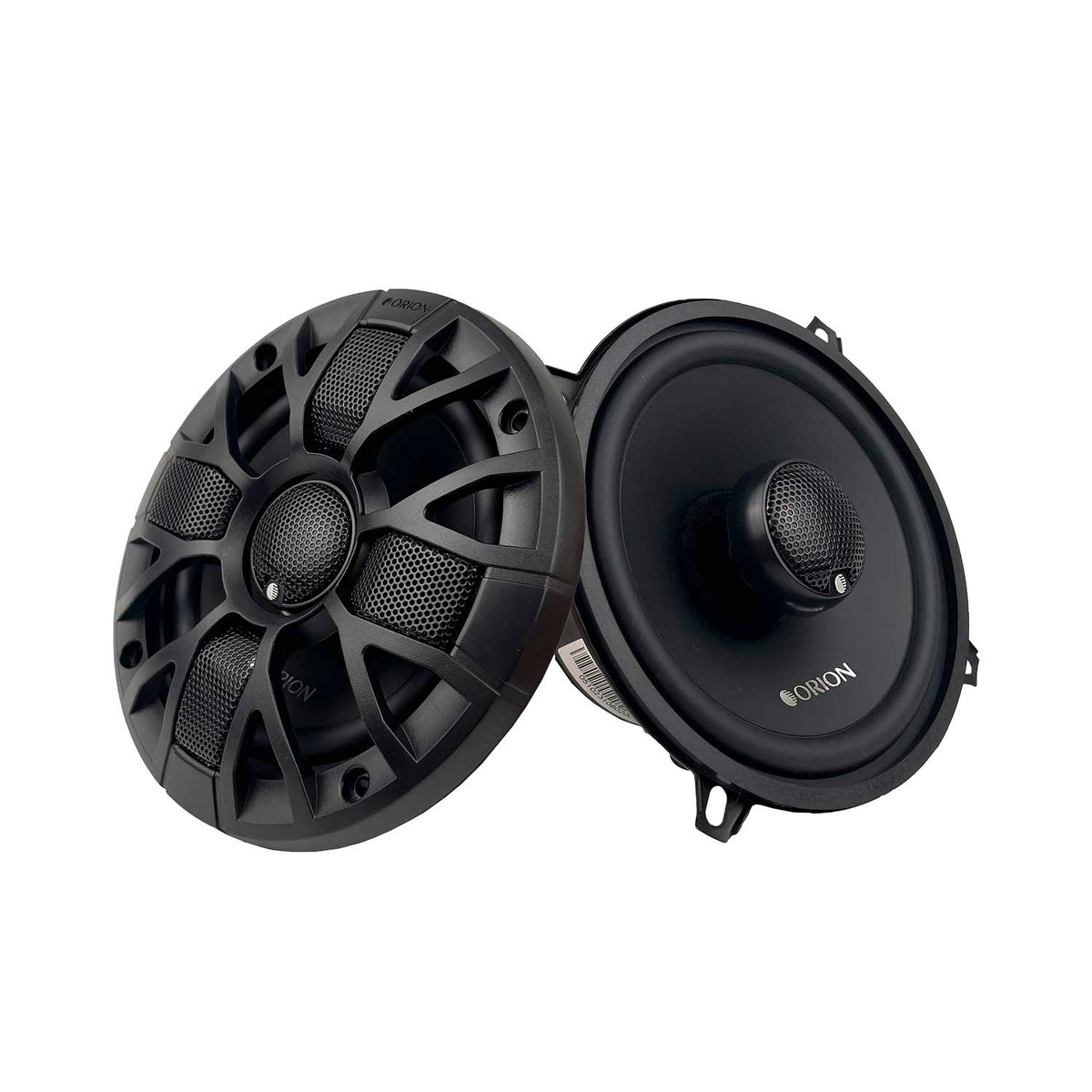
Component Speakers for Front Doors
Front doors are the best place to upgrade to a component set, where the woofer stays in the door and the tweeter moves higher toward ear level. That small change makes vocals sound like they come from the dash instead of your knees. The DS18 G6.5XC at $114.95, Orion XTR65.SC at $139.95 and AudioControl Altitude A65CS2 at $165 are all strong 6.5" choices. Smaller doors can use the Orion XTR55.SC 5.25" component set at $119.95. If you are unsure how the included crossovers work, our guide to active vs passive crossovers explains the difference.
Dash Speaker Size Guide
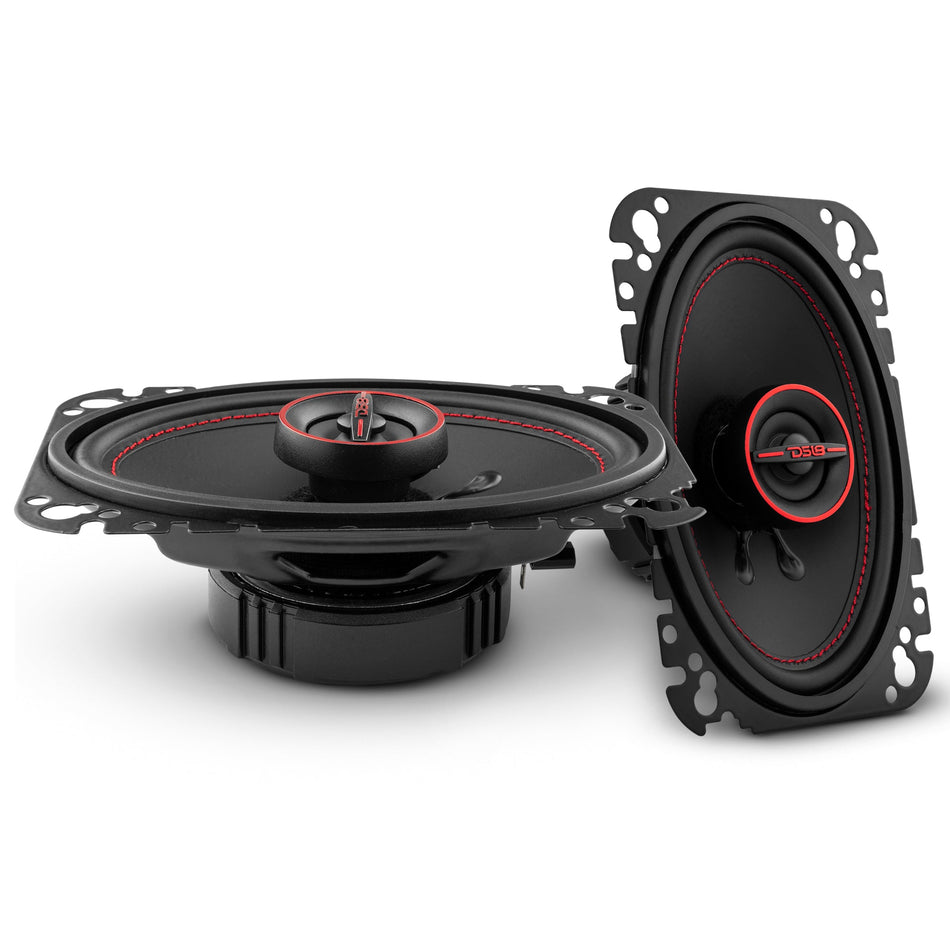
The dash speaker size in most vehicles is 3.5", with 2.75" becoming more common in newer cars that use small drivers in the corners or a center channel. Some older trucks and imports use 4x6" in the dash. Dash speakers are easy to overlook, but they shape the front soundstage, so replacing worn factory paper cones here makes a noticeable difference in vocal clarity.
For 3.5" openings, the Orion Cobalt CB35 at $34.95 is a simple factory swap. The Orion XTR35.2 and DS18 ZXI-354 at $59.95 each step up the detail and output. For sound quality builds, the AudioControl PNW-35 at $155 pairs nicely with high-end door components.
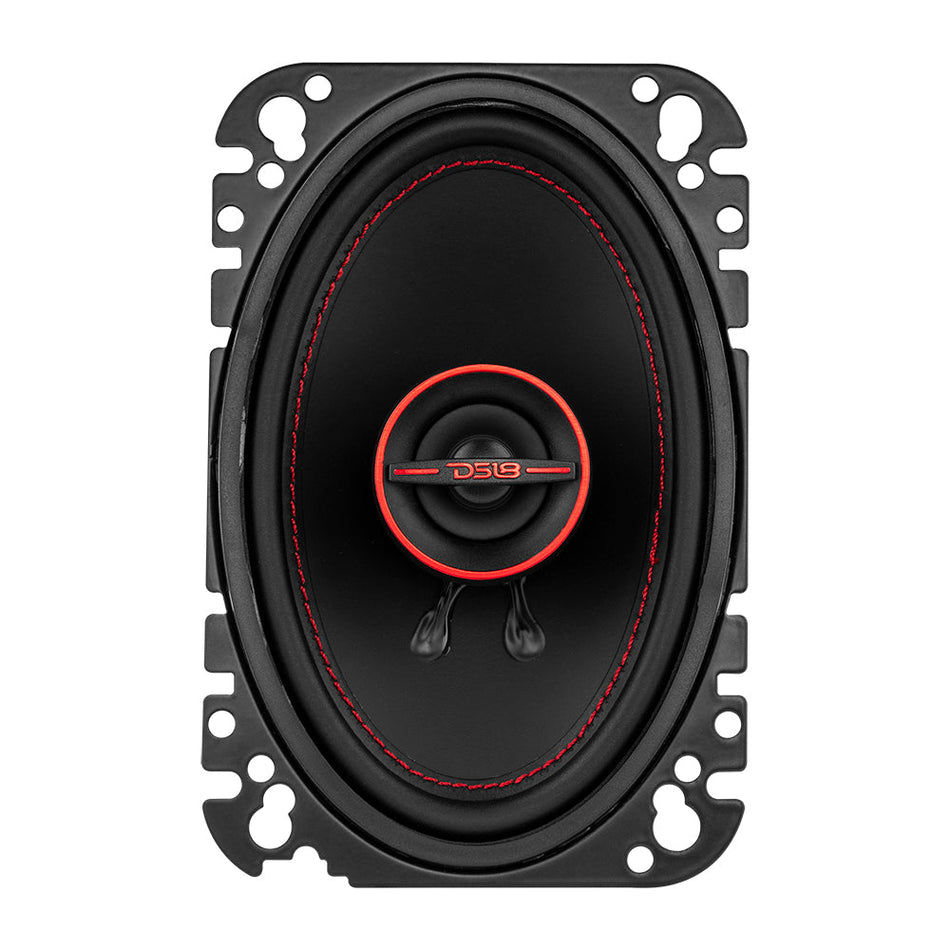
If your dash uses 2.75" drivers, the AudioControl Altitude A275C at $49 and the AudioControl PNW-275 at $99 fit those tight spaces. Vehicles with 4x6" dash openings can use the DS18 GEN-X 4x6 at $54.95 or the Kevlar cone DS18 ZXI-464 at $92.95.
Important Note: Some newer vehicles run their dash and door speakers at 2 ohms instead of 4 ohms, and a few use the dash speaker as part of a factory amplified system. Check the factory speaker label before buying, because a mismatched impedance can make your new speakers sound quiet or trigger warnings on certain head units.
Rear Deck Speakers Guide
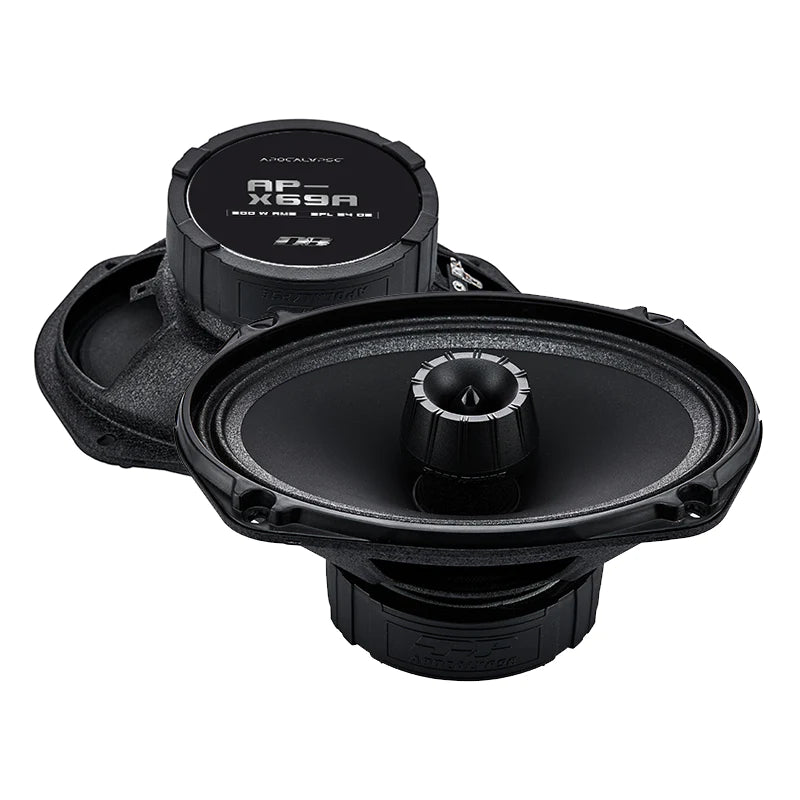
Rear deck speakers sit on the shelf behind the back seat in sedans, and the most common size by far is 6x9". Some cars use 6.5" or 5.25" on the deck instead. The rear deck acts like a large baffle with the trunk behind it, which helps oval speakers produce surprisingly strong mid-bass.
For an easy rear deck upgrade, the Orion Cobalt CB693 at $64.95 and DS18 GEN-X 6x9 at $74.95 deliver a big step up from factory. The DS18 ZXI-694 at $134.95 and AudioControl A69 at $165 bring more refinement for listeners who want cleaner sound at higher volume.
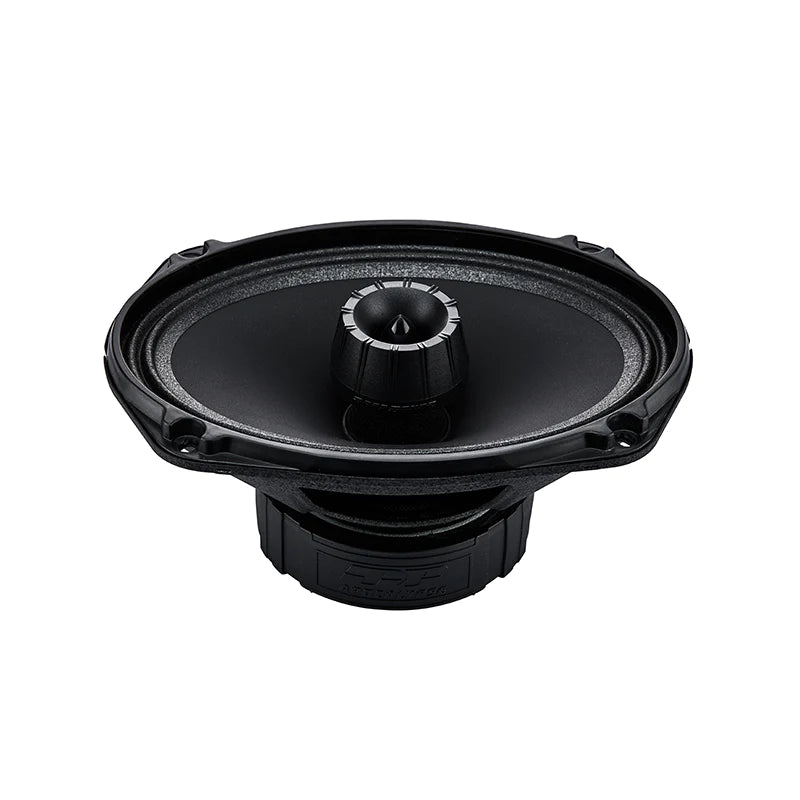
For louder builds on an amplifier, the Apocalypse AP-X69A is on sale at $143.90 (was $159.90), and the Orion XMT69.4 at $199.95 handles 400 watts RMS. If you want the imaging benefits of a component set in 6x9 size, the AudioControl Altitude A69CS2 at $199 is a great option. Our full guide on 6x9 car speakers covers this size in more depth.
6.5 vs 6x9 Speakers, Which One Should You Choose?
The 6.5 vs 6x9 speakers question comes up constantly, especially for trucks and SUVs that can take either with an adapter. The short answer is that you should use whatever your vehicle was designed for, because the opening, mounting depth and grille are all built around that size. When you do have a choice, the differences look like this.
| Feature | 6.5" Speaker | 6x9" Speaker |
|---|---|---|
| Cone area | About 21 sq in | About 35 sq in |
| Mid-bass output | Good | Noticeably stronger |
| Typical location | Doors | Rear deck, truck doors |
| Mounting depth | Usually shallower | Often deeper |
| Best for | Clarity, front stage, components | Fill, warmth, extra low end |
A 6x9 moves more air, so it naturally produces fuller low mids and more volume, which is why it works so well on a rear deck. A 6.5" speaker is easier to fit, has more component set options, and usually sounds more precise up front. Many great systems use both, with 6.5" components in the front doors for imaging and 6x9 coaxials in the back for fill.
Measurements That Decide Whether a Speaker Fits
Speaker size alone doesn't guarantee fitment. These four measurements are what installers actually check before ordering.
- Mounting depth. The distance from the mounting flange to the back of the magnet. This is the number that most often causes problems in doors.
- Cutout diameter. The size of the hole the speaker basket drops into. Aftermarket speakers sometimes need a few millimeters more than factory.
- Bolt pattern. Factory speakers often use odd screw spacing or plastic brackets, so a simple adapter ring may be needed.
- Tweeter height. Coaxial tweeters can stick up above the mounting flange and hit the factory grille.
Magnet type affects depth too. Neodymium magnets are smaller and lighter than ferrite, which helps in tight doors. Our article on neodymium vs ferrite magnets explains how that choice changes both fit and sound.
Pro Tip: If a speaker sits right at the edge of your available depth, buy the shallow mount version and add sound deadening around the opening instead of forcing a deeper speaker in. A solid, rattle-free door makes a mid-priced speaker sound better than an expensive one in a vibrating panel. The SoundSkins collection is a good place to start.
Do You Need an Amplifier for New Speakers?
Basic coaxials like the Orion Cobalt and DS18 GEN-X lines are designed to sound good on factory or aftermarket head unit power, usually 15 to 25 watts RMS per channel. Higher-end speakers rated at 100 watts RMS or more need an amplifier to reach their potential. Without one, they can actually sound flatter than the factory speakers they replaced.
If you are upgrading to components or pro audio speakers, plan for a 4-channel amp from the amplifier collection and a proper amp wiring kit. Match the speaker's RMS rating to the amp's RMS output per channel, not peak numbers. Our guide on RMS vs peak power walks through exactly how to read those specs.
Frequently Asked Questions
What size speakers fit my car if I can't find the info online?
Remove one door panel or dash grille and measure the factory speaker directly. Check the frame diameter or width and height, the mounting depth, and the screw spacing. Those measurements will match one of the standard car speaker sizes listed above in almost every case.
Can I put 6x9 speakers in place of 6.5" speakers?
Only if there is enough room in the opening and behind it. Some truck doors and rear decks allow it with an adapter, but most car doors are not wide or deep enough. Forcing a larger speaker usually means cutting metal, which is better left to a professional installer.
Are 5x7 and 6x8 speakers the same size?
Yes, 5x7" and 6x8" speakers share the same mounting pattern and are generally interchangeable. They are common in Ford, Mazda and Lincoln vehicles. They are not the same as 6x9", which needs a larger opening.
Do front and rear speakers have to be the same size?
No. Many vehicles use 6.5" speakers in the front doors and 6x9" speakers on the rear deck or in the rear doors. Keeping the same brand and series front and rear helps the system sound balanced, even if the sizes are different.
Will new speakers fit my factory grilles?
Most will, but coaxial tweeters that sit high above the mounting flange can hit the back of a factory grille. Check the tweeter height spec before buying. If your grilles are damaged or missing, the grills collection has replacements, and our guide on why speaker grills matter explains why they are worth keeping.