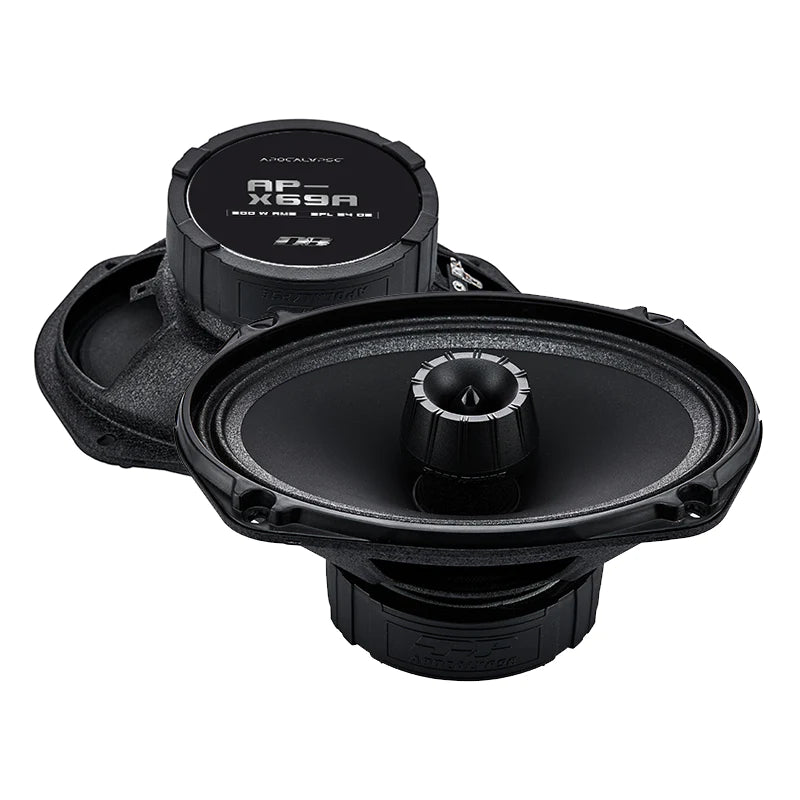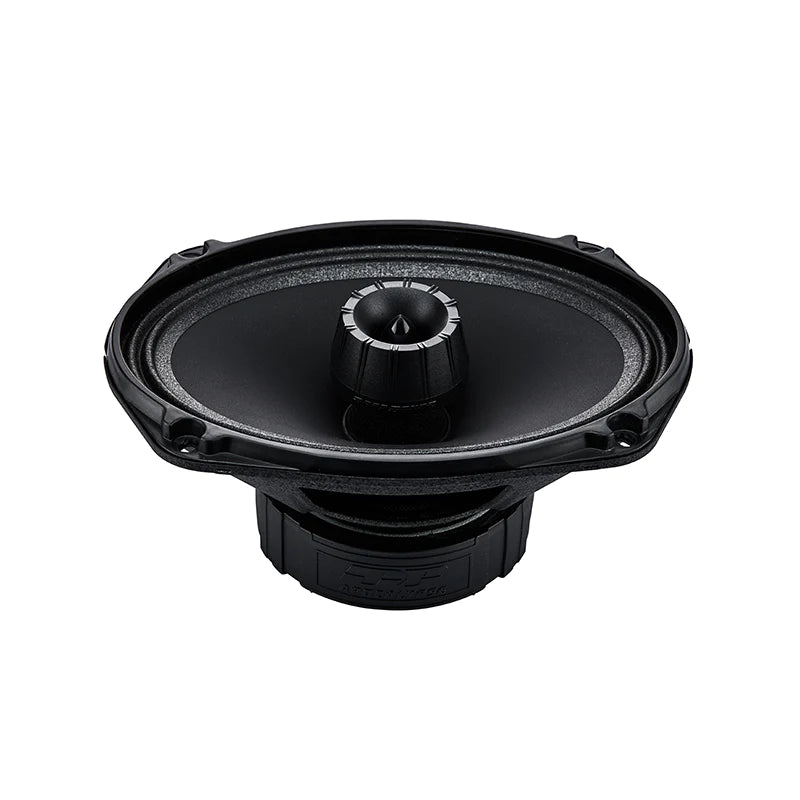

When upgrading your car audio system, the debate around neodymium vs ferrite speakers is more than just a technical comparison. It directly affects how your system sounds, how easy it is to install, and how it performs over time. When you're selecting audio components from Elite Auto Gear, then you will understand how these helps you build a system that fits your goals instead of following generic advice.
Speakers Magnet: Why It Matters for Performance
The magnet is the core of a speaker’s motor structure. It controls how the voice coil moves, which influences sound accuracy, loudness, and efficiency.
- A stronger magnetic field improves speaker control and responsiveness
- Better control leads to cleaner sound and higher efficiency
- Heat handling determines long-term reliability at high volume
Neodymium and ferrite magnets approach this in completely different ways, which is why they suit different types of builds.
Neodymium vs Ferrite Speakers
| Feature | Neodymium Speakers | Ferrite Speakers |
|---|---|---|
| Magnet Strength | Very high (compact power) | Moderate (relies on size) |
| Speaker Size | Compact and space-saving | Larger and deeper |
| Weight | Lightweight | Heavy |
| Efficiency | High sensitivity, less power needed | Moderate efficiency |
| Sound Quality | Clean, detailed, accurate | Strong, warm, aggressive |
| Heat Resistance | Moderate, needs airflow | High, handles heat well |
| Price | Premium | Budget-friendly |
| Best For | Daily drivers, sound quality systems | SPL builds, high-output systems |
Sound Quality Difference You Will Actually Notice
Neodymium Speakers: Clean and Controlled Audio
Neodymium speakers are designed for precision and detail. You will notice:
- Clear vocals and sharper highs
- Better instrument separation
- Balanced sound at lower and moderate volume
They are commonly used in tweeters and high-end coaxial speakers because they allow accurate sound reproduction without distortion.
A strong example in this category is the

This type of speaker works well for users who want daily listening comfort with clean output and modern styling.
For high-frequency performance,

delivers detailed highs, making it suitable for clarity-focused systems where vocals and treble matter.
Ferrite Speakers: Power and Loudness
Ferrite speakers are built for output and durability. They provide:
- Strong midrange punch
- Higher resistance to heat under continuous use
- Consistent performance at high volume
These are commonly used in SPL setups where loudness is the priority over fine detail.
A good example is the

It is designed for high-output midrange, allowing vocals to stay strong even in loud builds.
For extreme projection,

This is better suited for SPL users who want sound to carry over distance with maximum intensity.
Installation Factors Most Buyers Overlook
Choosing between ferrite vs neodymium speakers is not just about sound. Installation plays a major role.
When Space Is Limited
Neodymium speakers are ideal when:
- Your car has shallow mounting depth
- You are upgrading factory door speakers
- You want a clean install without modifications
For example, marine and outdoor setups benefit from compact builds like

These combine durability with compact efficiency, making them ideal for boats, Jeeps, and exposed environments.
When You Have Space and Want Maximum Output
Ferrite speakers work best when:
- You have room for deeper mounting
- Your build includes custom panels or speaker pods
- You are running high RMS power from amplifiers
Because of their weight and size, they need secure mounting and proper support, but in return, they deliver consistent high-volume performance.
Choosing the Right Type Based on Your Usage
Neodymium Is Best For:
- Daily drivers who want balanced sound
- Audiophiles focusing on clarity and detail
- Compact installations with limited space
- Systems tuned with DSP for precision
Ferrite Is Best For:
- Loud systems focused on SPL
- Users who prefer aggressive sound output
- Budget-conscious upgrades with high durability
- Builds with strong amplifiers and enough space
Important Buying Considerations
Before choosing between ferrite magnets vs neodymium, keep these points in mind:
- Magnet type alone does not define sound quality. Cone material, voice coil, and tuning also matter
- Always match speakers with the correct amplifier RMS rating
- Consider your vehicle’s space before selecting large ferrite speakers
- Many high-performance systems combine both magnet types for better results
Practical System Strategy for Best Results
Instead of choosing one type only, most advanced systems use a mix:
- Neodymium tweeters for clarity and detail
- Ferrite midrange drivers for power and projection
- Subwoofers to handle low frequencies separately
This setup allows you to achieve both clarity and loudness without sacrificing performance.
What Actually Matters When You Decide
Best choice depends on how you use your system:
- If you care about clean sound, easy installation, and modern builds, go with neodymium
- If your goal is loud output, durability, and aggressive performance, ferrite is the better option
A smart upgrade is not about picking the stronger magnet. It is about choosing the right tool for your specific audio goals.