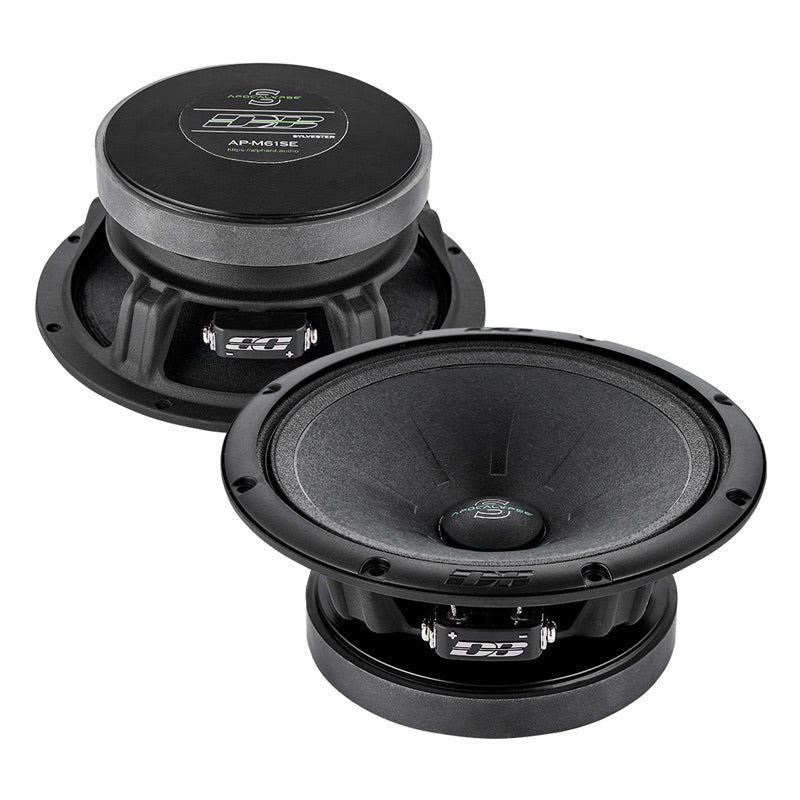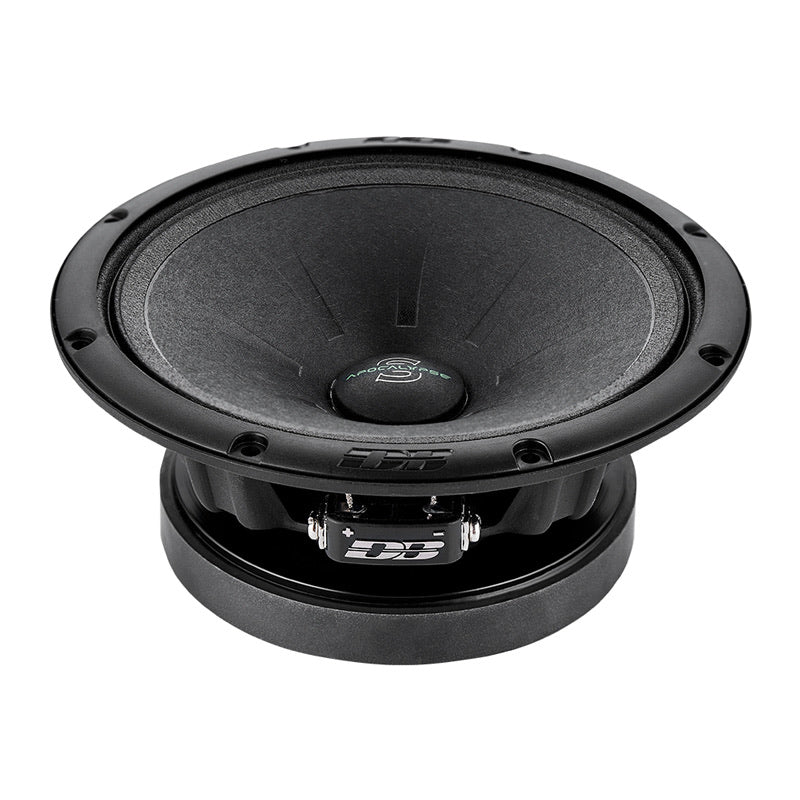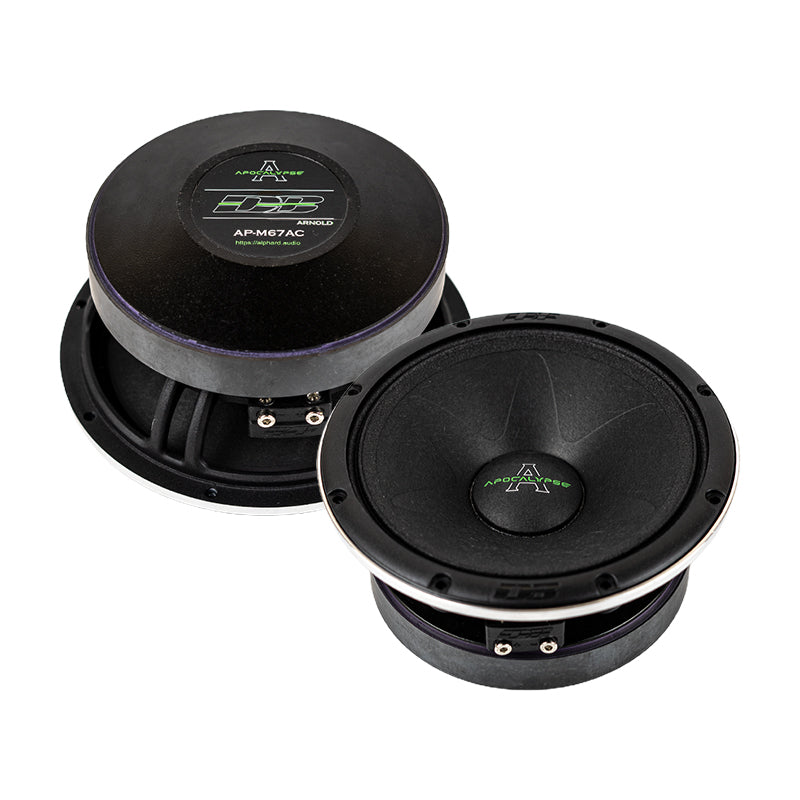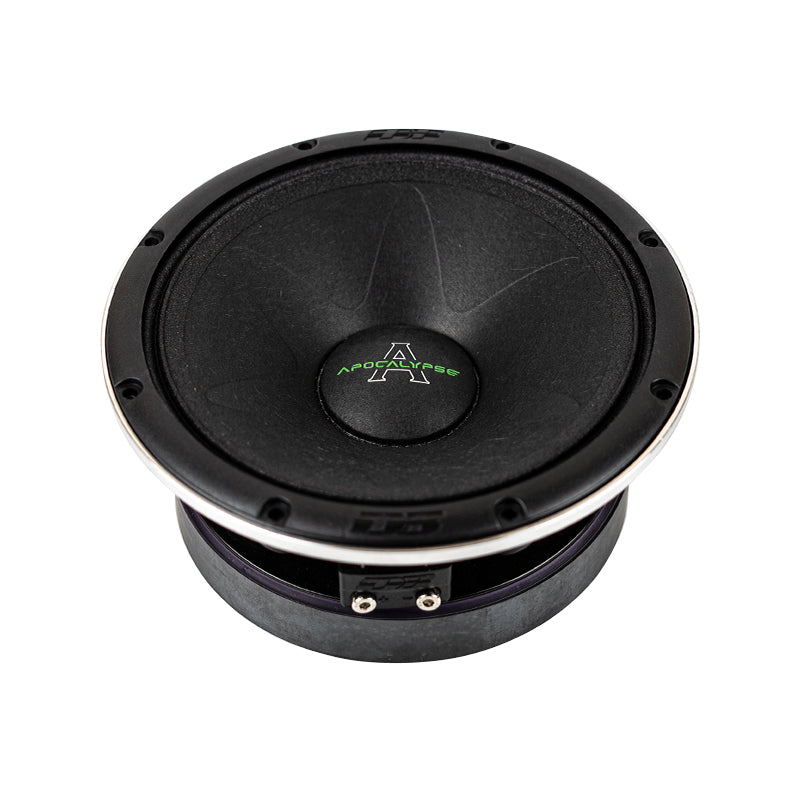

More vehicles will hit the road in 2026 with aftermarket speakers installed without grills, chasing a sound quality edge that barely exists. That trend will cost daily drivers real money in replacement speakers. It's exactly why speaker grills matter more in real daily use than people think, and why most installers give them far less attention than they deserve.
Quick takeaways before we get into it:
- Speaker grills prevent physical damage from feet, cargo, tools, and daily wear that most drivers never expect
- Quality acoustically-transparent mesh grills cause negligible sound loss, cheap stamped grills are the real culprit
- Daily drivers, family vehicles, and work trucks should always run grills, show cars are the exception
- Removing grills for a marginal sound gain is one of the most common and costly mistakes in car audio
- The real decision isn't grills on or off. It's choosing the right grill for how you actually use your vehicle

A tool bag shifts during a hard brake and lands square on a door-mounted speaker. A kid climbs into the back seat wearing cleats, catches the door panel, and crushes the cone before anyone notices.
A moved subwoofer box scrapes against a rear speaker every time it slides on a turn. None of these scenarios show up on a spec sheet, but they happen daily, in normal vehicles, to normal people.
Most installers treat a speaker grill cover as a cosmetic afterthought. It gets added at the end of a job, if it gets added at all, because the priority is usually getting speaker placement and output right first. That mindset misses the point. Grills aren't decoration first. They're protection first, looks second.
The problem is that drivers only appreciate that protection after something breaks. By then, the cone is torn, the surround is compromised, and a $150 speaker that would have lasted five years needs replacing after eight months. That's the real question every daily driver installing new daily driver speakers needs to answer honestly: speaker grills on or off, and what happens when that choice goes wrong.
What Speaker Grills Actually Protect You From
Speaker grills exist to absorb impact before it reaches the cone. Door-mounted and panel-mounted speakers sit directly in the path of feet, bags, phones, and loose cargo, especially in sedans and SUVs where rear passengers have limited legroom. Without a grill, that cone is one bad step away from a puncture that no warranty covers. This is basic speaker protection, not a luxury upgrade.
Physical Impact Is Only Part of the Story
Daily driving conditions expose speakers to more than sudden hits. Dust, grit, and moisture build up over months, working into the cone material and surround through repeated door opening, HVAC airflow, and humidity swings across seasons.
In coastal states and anywhere road salt gets used in winter, that exposure speeds up corrosion on speaker terminals and mounting hardware. Choosing speaker materials built for heat and vibration helps, but a grill is still the first line of defense.
Here's what unprotected exposure actually does over time:
- Grit works into the surround, causing stiffness and reduced excursion
- Moisture reaches voice coils through gaps, leading to corrosion and eventual speaker failure
- UV exposure through open windows degrades foam surrounds faster than sealed ones
- Loose debris gets pulled into the cone by driver movement, causing scrapes and tears
None of this damage is visible right away. Durability issues build silently until output gets distorted or a channel drops out completely. By the time a driver notices, the damage already happened weeks earlier.
Install safety matters here too. Exposed cones near door pockets and cargo areas create a daily snag risk, not just for the speaker but for passengers reaching for bags or phones. A missing grill turns a routine reach into a scraped knuckle or a torn cone. That's a completely avoidable outcome, and it ties directly into broader install safety practices any shop should follow.
Do Speaker Grills Affect Sound Quality
This is the myth that won't die in car audio forums. Grills supposedly muffle output and dull high frequencies. It gets repeated so often that many drivers remove factory grills entirely, convinced they're getting a meaningful upgrade. In most cases, they're not.
Cheap Grills Versus Quality Mesh
The real answer depends entirely on grill construction. Cheap stamped-metal grills with small hole patterns and thick cross-sections do interfere with high-frequency dispersion, because the physical structure blocks sound waves before they spread out. That's a legitimate concern tied to tweeter control, but it's a materials problem, not a grills problem.
Quality acoustically-transparent mesh, the kind used on well-designed 6.5 component speakers and marine audio kits, gets built specifically to let sound pass through with minimal interference. The open-weave pattern and thin gauge material were engineered around acoustic transparency as a requirement, not an afterthought.
Pro Tip: If you want to check grill quality before buying, hold it up to light. A dense, tight weave that blocks most light will color your sound. An open weave that lets light through freely will pass sound the same way. So, do speaker grills affect sound quality? With a quality design, the measurable frequency loss is negligible in real daily listening conditions. You won't hear a meaningful difference in a moving vehicle with road noise, HVAC, and cabin acoustics already shaping what you perceive. That's true whether you've just finished proper speaker tuning or dialed in proper speaker angle. Weigh the tradeoff honestly: a theoretical gain from removing a grill against the real risk of physical damage. For the vast majority of daily drivers, that math doesn't work in your favor.
Matching Grill Choices to How You Actually Drive
The right answer for grills on or off depends less on audio theory and more on how the vehicle gets used every day. A commuter car with kids in the back seat has a completely different risk profile than a dedicated show build that lives in a garage.
Daily Drivers Face Constant Exposure
Daily driver speakers deal with passengers climbing in and out, cargo shifting during stops, and door panels getting bumped by bags, shoes, and elbows. Component speakers mounted in doors are especially vulnerable because that's the most trafficked zone in the cabin.
Even kick panel speakers, tucked lower and out of sight, still take a beating from shoes and floor debris. For these builds, grills aren't optional. They're a baseline requirement, the same way a helmet is baseline gear on a motorcycle.
Controlled Environments Change the Calculation
Show cars and competition setups operate differently. These vehicles typically sit in controlled environments, get handled carefully, and rarely carry passengers or cargo that could contact a speaker. Removing grills in that context is reasonable, since the risk profile is close to zero and appearance matters more for judging.
Who should always run grills, without exception:
- Family vehicles with kids or pets in back seats
- Work trucks carrying tools, equipment, or shifting cargo
- Off-road and outdoor builds exposed to dust, mud, and branches
- Any daily driver where passengers regularly access rear doors or cargo areas
What Installers Get Wrong About Grills
Removing grills to chase a sound upgrade that doesn't materialize is the most common mistake, but it's not the only one. Some installers reuse thin, poorly mounted grills salvaged from other jobs, which crack under minor impact and fail to protect anything. Others skip grills on rear deck speakers because they're less visible, ignoring that trunk cargo shifts constantly and creates direct contact risk.
I've seen shops spend hours on amp speaker matching and 2 ohm vs 4 ohm wiring decisions, then bolt in a bare speaker with no grill at all. That's backwards. A perfectly matched speaker power and amplifier power setup means nothing once the cone gets punctured by a dropped phone charger.
Build the Right Habit Into Every Install
The smarter approach treats grill selection as part of the install, not an accessory decision made after the fact. Match the grill to the vehicle's real use. A family SUV needs a durable, well-fitted grill on every door speaker. A daily-driven truck hauling gear needs that same logic applied to any panel-mounted or trunk-mounted speaker.
This single decision extends the working life of a speaker system by years, and the cost of a quality grill is a fraction of what a replacement 4x6 coaxial or 6.5 inch coaxial speaker runs. Pair it with clean RCA cables and correct grounding, and you've built a system that holds up to real-world conditions instead of just a showroom demo.
Elite Auto Gear carries speaker protection and car audio accessories built around this exact logic, covering Coaxial & Component Speakers, subwoofer enclosures, and the wiring and installation accessories that make a grill fit right the first time.
Free shipping on all orders, easy returns, and a wide selection of car audio gear back every purchase, so testing a grill upgrade carries zero risk.
For anyone weighing speaker grills on or off for a daily driver, the smarter move is choosing gear designed for how the vehicle actually gets used, not how it looks parked in a driveway.
This is why speaker grills matter more in real daily use than people think: the damage they prevent is invisible until it isn't, and the sound quality tradeoff most drivers fear barely exists with the right mesh. Shop All Products to find protection built for real daily use, not just showroom conditions.