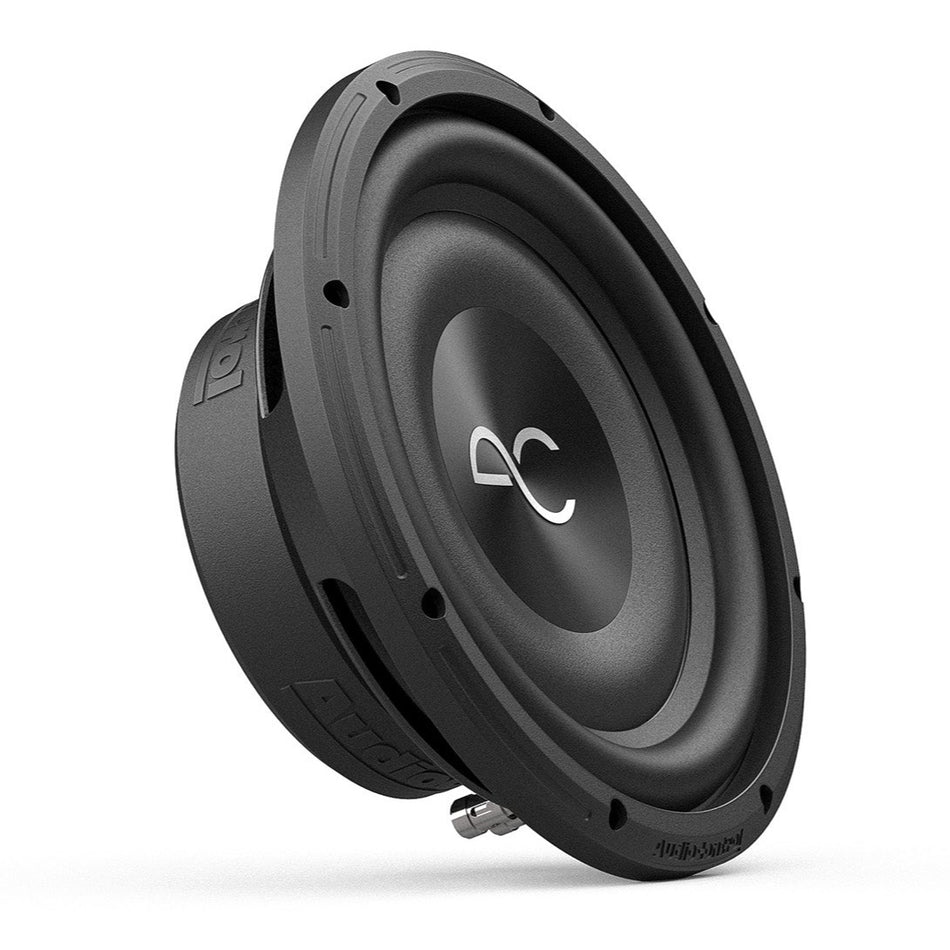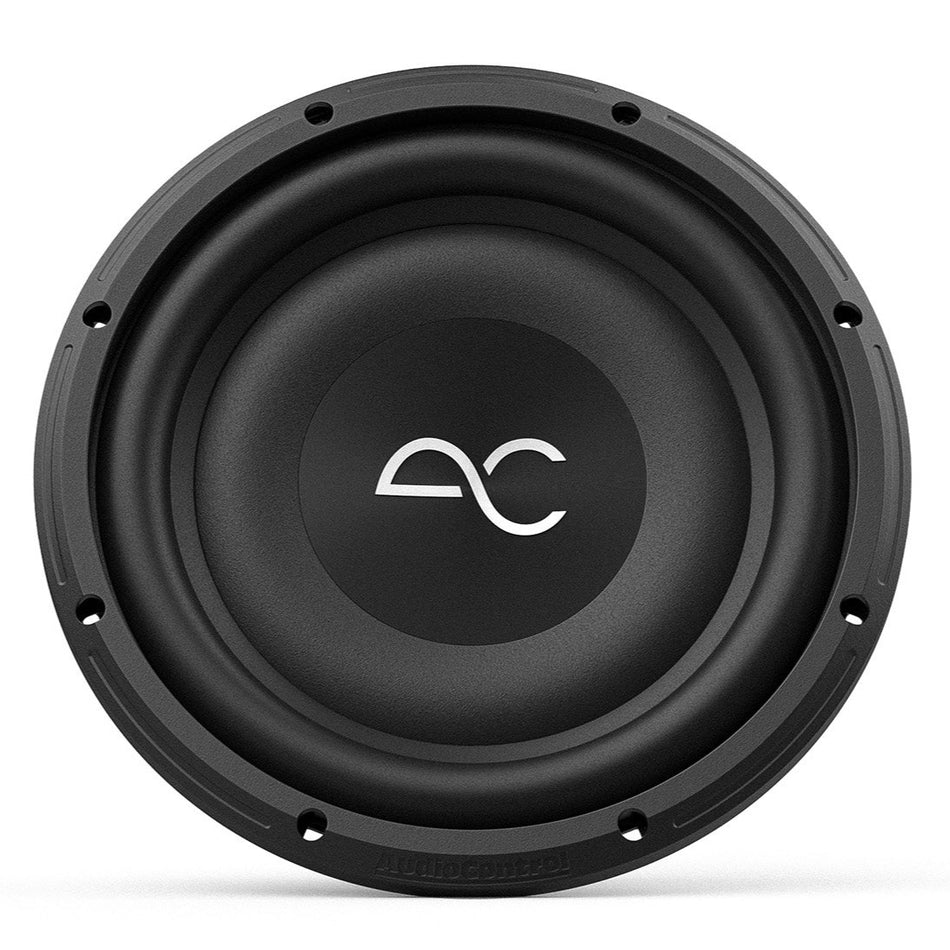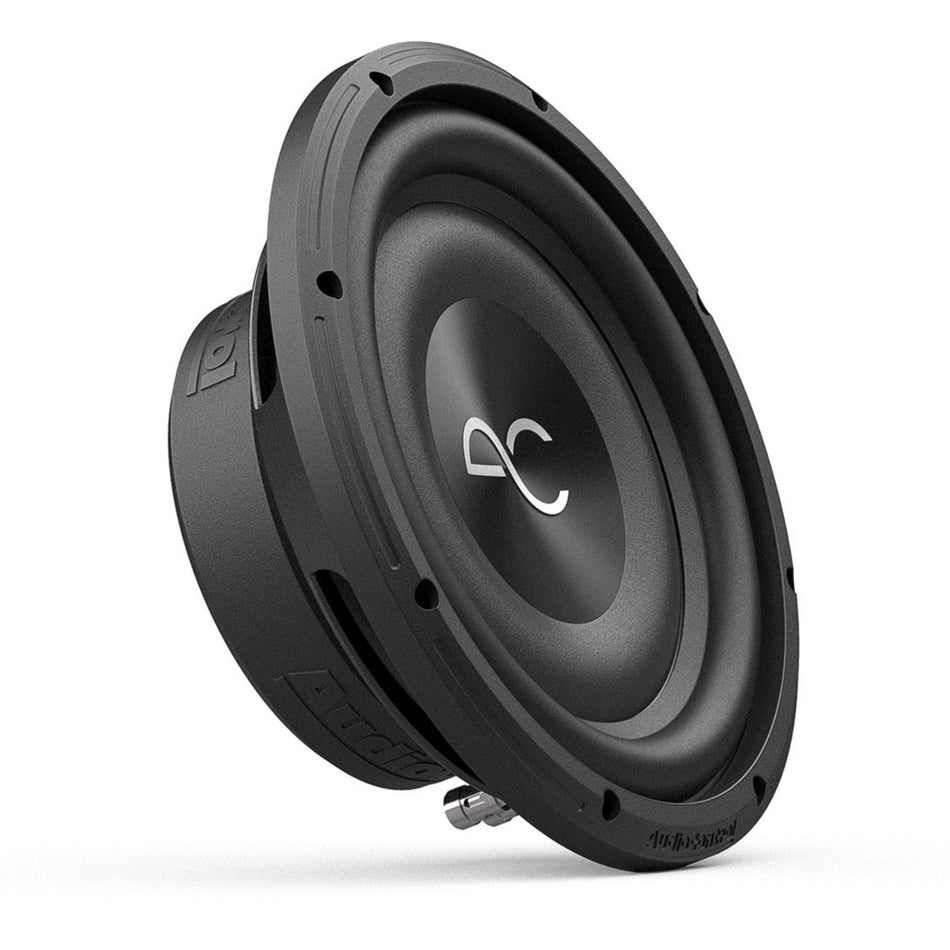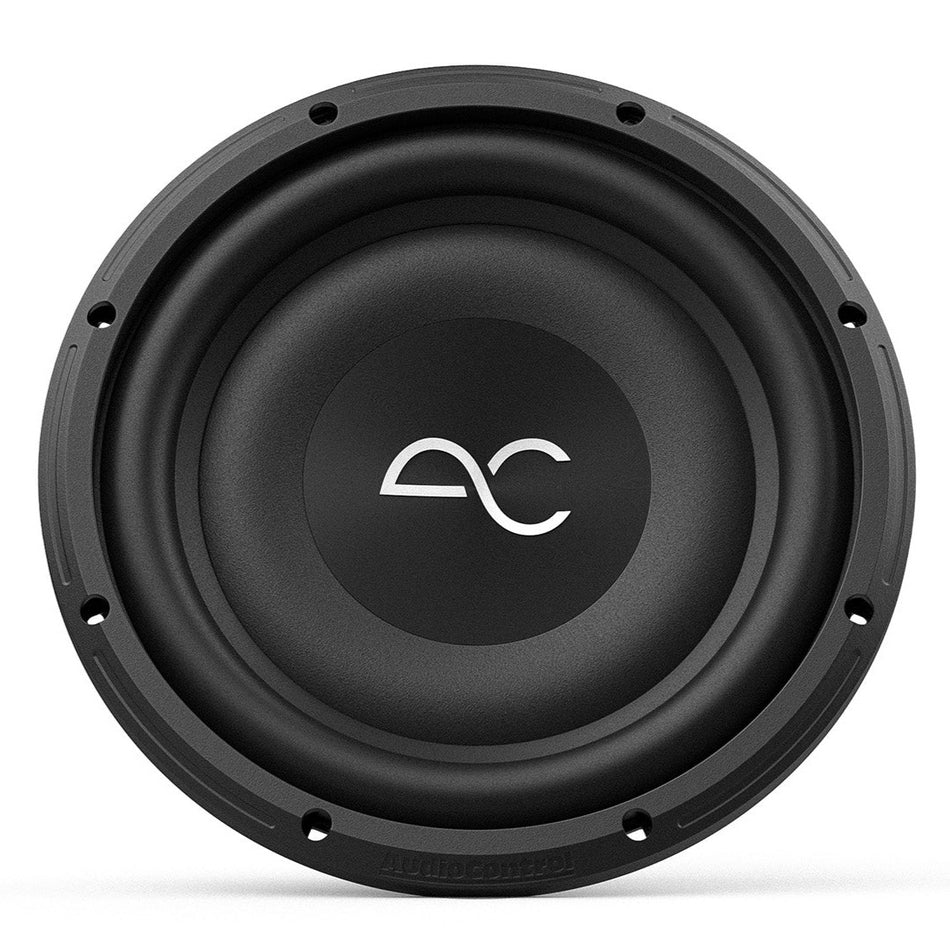

Walk into any car audio meet and ask whether a 12 or a 15 hits harder, and you'll start an argument that lasts all afternoon. One side swears a 15 inch subwoofer is the only way to feel real bass. The other says 12s are tighter, punchier and fit in more vehicles. The truth is that both camps are right, depending on what "hits harder" means to you and what kind of vehicle you drive. Once you understand how the two sizes actually behave, the right choice becomes obvious.
The Short Answer
In the same vehicle, with the same power and a properly built box for each, a 15 inch subwoofer will play louder and deeper than a single 12. It simply has more cone area to move air. But a 12 often delivers sharper, more controlled punch in the 40 to 80 Hz range where kick drums and most rap, rock and EDM bass lines live, and it does it in a box that fits almost anywhere.
So the real question isn't which size is better. It's whether you want deep, room-shaking rumble or tight, fast punch, and whether your vehicle has the space and electrical system to support a 15.
How Each Size Actually Makes Bass
Cone Area Is the Big Difference
A subwoofer makes sound by pushing air, and the amount of air it can push depends largely on its cone area. A typical 12 inch sub has around 75 to 80 square inches of effective cone area. A typical 15 inch sub sits closer to 120 to 130 square inches. That's roughly 60% more surface pushing air every time the cone moves.
More cone area means more output at the same excursion, and that advantage grows as frequencies drop. At 30 to 35 Hz, where you feel bass more than hear it, a 15 has a clear edge.
Why 12s Often Feel Punchier
A 12 inch sub has a lighter moving assembly and usually lives in a smaller enclosure. In practice, that tends to give it quicker, tighter response on fast bass notes. If you listen to music with sharp kick drums or quick bass lines, a well-matched 12 can sound more defined, while a 15 in the wrong box can turn those same notes into a boomy blur.
Cabin Gain Changes Everything
Your car's interior naturally boosts low frequencies, an effect called cabin gain. Smaller vehicles boost bass at higher frequencies than large ones. That's one reason a single 12 can sound surprisingly big in a sedan or hatchback, while a full-size SUV or crew cab truck often needs the extra output of a 15 to fill the space.
12 vs 15 Inch Subwoofer, Side by Side
| Factor | 12 Inch Subwoofer | 15 Inch Subwoofer |
|---|---|---|
| Effective cone area | About 75 to 80 sq in | About 120 to 130 sq in |
| Strongest range | Tight punch, 40 to 80 Hz | Deep rumble, 25 to 50 Hz |
| Typical sealed box | About 1 to 1.5 cu ft | About 1.75 to 2.5 cu ft |
| Typical ported box | About 2 to 3 cu ft | About 3.5 to 5+ cu ft |
| Power needed to shine | Moderate | Higher |
| Best vehicles | Sedans, coupes, compact SUVs | Full-size SUVs, trucks, vans, hatch builds with space |
| Daily usable trunk space | Easier to keep | Takes most of it |
Box volumes vary by model, so always check the manufacturer's recommendations or use our enclosure calculator and box specs tool before building or buying a box.
Which Subwoofer Hits Harder in Your Vehicle?
Sedans, Coupes and Compact Cars
For most cars with a standard trunk, a 12 is the smarter choice. It fits in a box that leaves room for groceries and luggage, and cabin gain in a smaller interior helps it sound bigger than its size. A single quality 12 on the right amp will rattle mirrors in a sedan without taking over the whole trunk.
SUVs, Hatchbacks and Wagons
This is where the decision gets closer. If you have the cargo space and don't mind giving most of it up, a 15 in a ported box is hard to beat for deep, full-body bass. If you need daily cargo room, a 12 or a pair of 12s in a compact box is the better balance.
Trucks
Regular and extended cab trucks rarely have room for a 15 behind or under the seat, so shallow 12s are usually the go-to option. Crew cabs and trucks where you can mount a box in the bed or rear seat area open the door to 15s. Check our truck subwoofer boxes for enclosures shaped to specific cabs.
SPL and Demo Builds
If your goal is maximum loudness and you're willing to build around the system, 15s win. Most serious SPL builds use one or more 15s in large ported enclosures with heavy electrical upgrades.
The Third Option Most People Overlook
Before you choose between one 12 and one 15, consider two 12s. A pair of 12s gives you roughly 150 to 160 square inches of combined cone area, which is more than a single 15. Two 12s in a dual ported box will usually out-play one 15 while keeping some of the 12's tighter punch.
The tradeoff is box size and power. A dual 12 box takes up about as much room as a single 15 box, sometimes more, and you need an amplifier that can drive both subs properly.
Pro Tip: Whatever size you pick, the enclosure decides at least half of how it sounds. A great 15 in an undersized box will sound weaker than a budget 12 in the right box. Read our guide on fiberglass vs MDF subwoofer enclosures and check the sub's recommended box volume before you buy anything.
Best 12 Inch Subwoofers in Stock
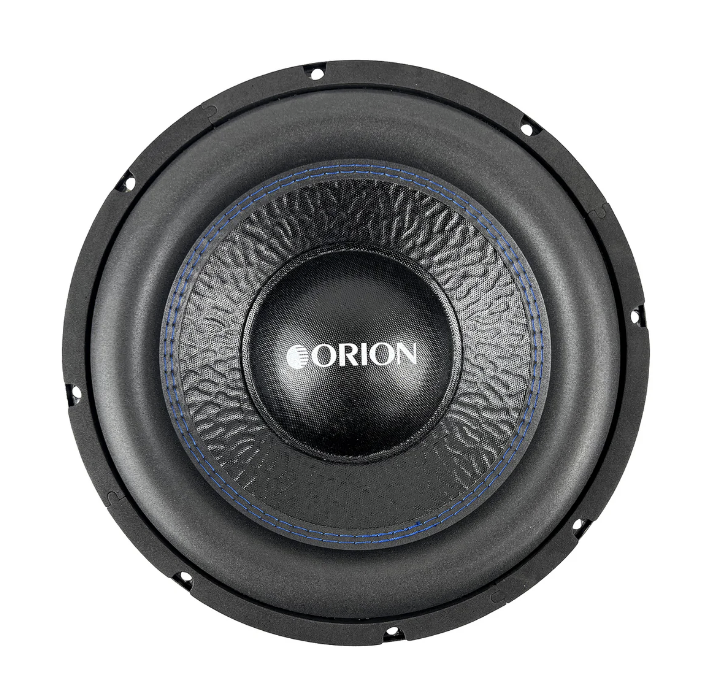
Budget daily upgrade. The Orion CBW124S at $74.95 handles 400 watts RMS on a single 4 ohm coil, making it an easy add to almost any system. The DS18 GEN-XX12.4DHE at $179.95 steps up with a dual 4 ohm high excursion design.
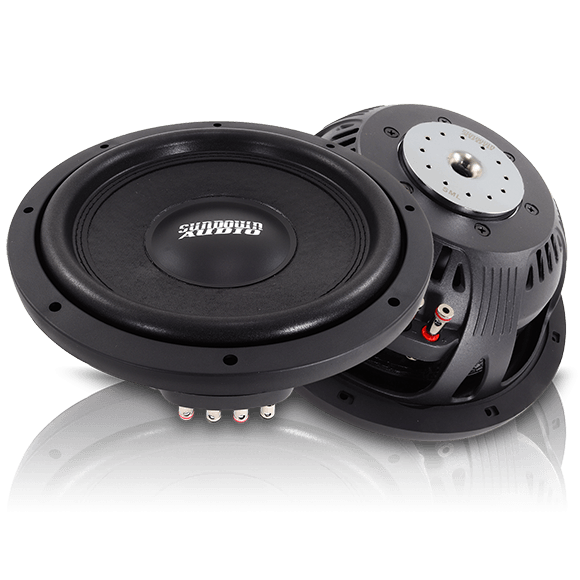
Shallow mount for trucks and tight spaces. The Sundown Audio SML12D2 and SML12D4 are both $249.99 and handle 500 watts in a shallow basket built for behind-seat boxes.
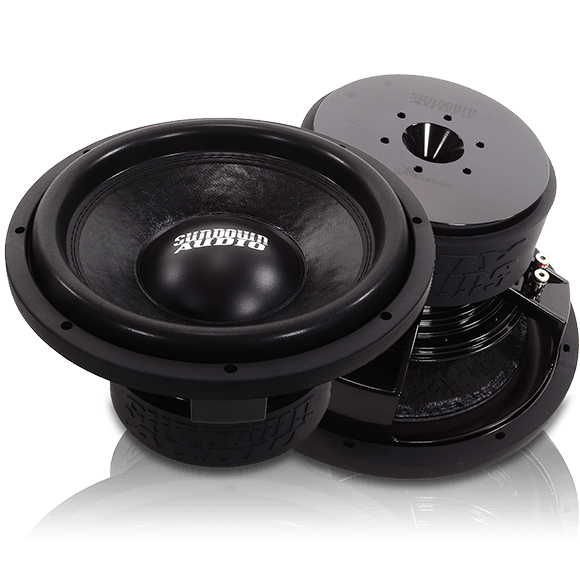
Sound quality with real punch. The Sundown Audio SA-Classic 12 SACL12D2 at $339.99 delivers 750 watts with Sundown's clean, controlled low end. The Sundown Audio EV412D2 at $244.99 handles 750 watts RMS on a dual 2 ohm coil.
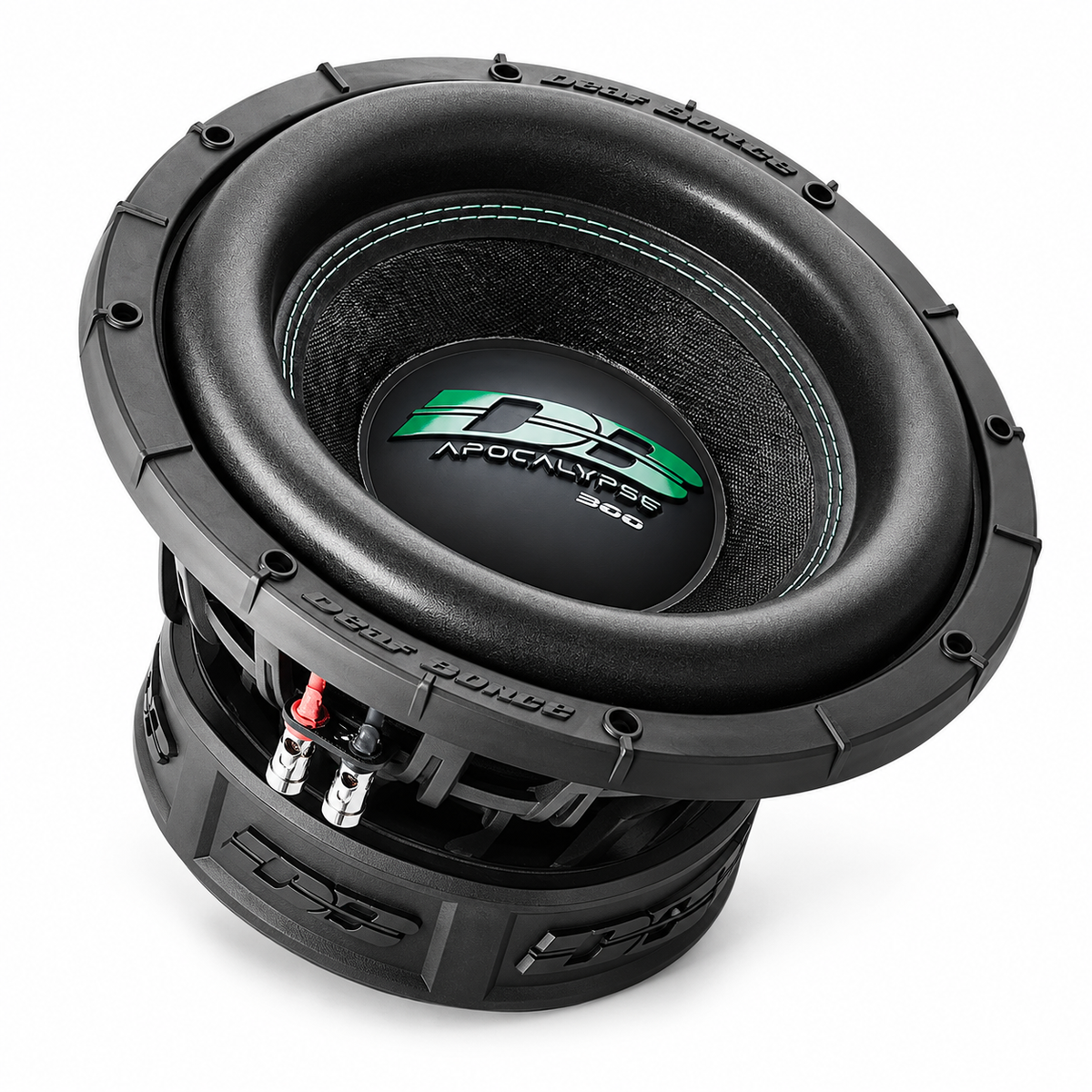
Serious output. The Deaf Bonce Apocalypse DB-SA302 D1 at $389.90 handles 2000 watts RMS. For competition-level 12s, the Orion HCCA122 at $649.95 and the Deaf Bonce DB-3012R D2 at $619.90 are built to take massive power.
Best 15 Inch Subwoofers in Stock
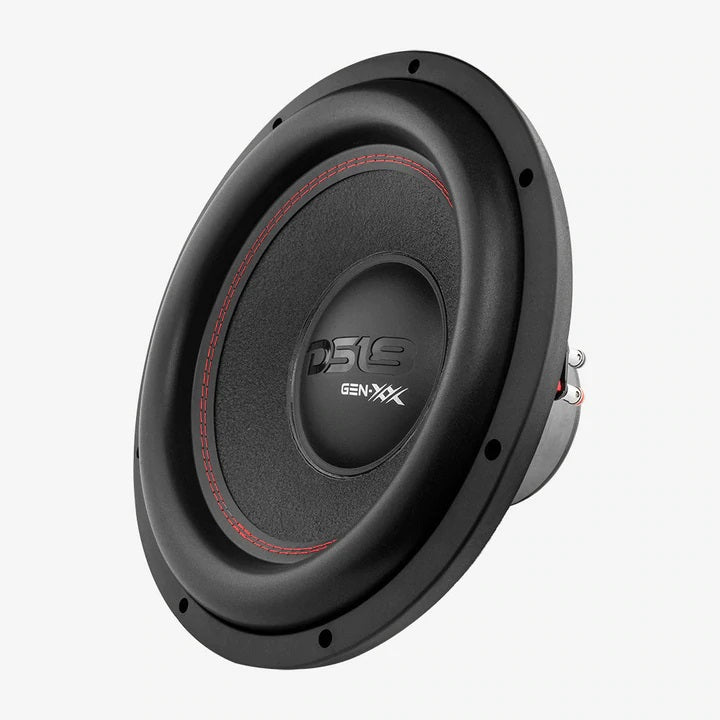
Entry into 15 inch bass. The DS18 GEN-XX15.4DHE at $209.95 is a dual 4 ohm high excursion 15 that brings deep rumble at a reasonable price. It's a great first 15 for an SUV or hatch build.
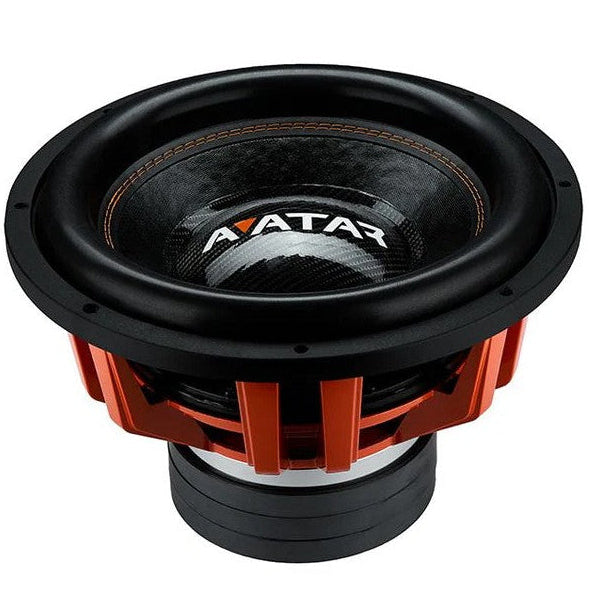
Best value for big bass. The Deaf Bonce Apocalypse DB-SA305 D2 at $399.90 handles 2000 watts RMS on a dual 2 ohm coil, which pairs easily with common monoblocks. The Avatar Volcano 15 D1 and Volcano 15 D2 at $549.90 step up to 2500 watts RMS.
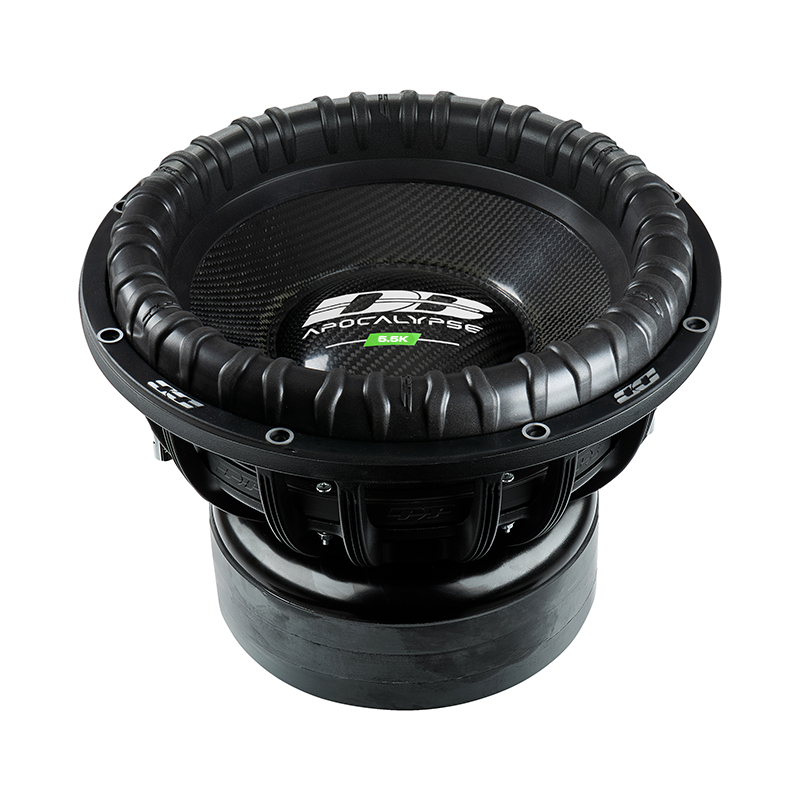
Best 15 inch sub for SPL. The DS18 Carbon15.1D at $749.95 uses a carbon fiber cone rated for 3500 watts RMS, and the Deaf Bonce Apocalypse DB-3.5K 15 D1 at $749.90 matches that rating. For the most extreme builds, the Deaf Bonce DB-5.5K 15 D2 handles 5500 watts RMS at $1,399.90.
Browse the full lineups in our 12" subwoofers and 15" subwoofers collections.
Powering and Boxing Your Choice
A bigger sub only hits harder if it gets the power to move. Match the amplifier's RMS output to the sub's RMS rating at the final wired impedance, not to peak numbers. Our guide on RMS vs peak power breaks down how to read those specs.
For a single 500 to 750 watt 12, the AudioControl EPIC750 at $205 or EPIC1000 at $239 are solid fits. A 2000 watt 12 or 15 pairs well with the AudioControl EPIC2000 at $379, and 3500 watt 15s call for something like the EPIC4000 at $549.
For enclosures, a simple sealed 12 like the Box Master BOX-SSS12 at $79.99 is a budget-friendly way to get tight bass. If you want more output, browse our ported subwoofer boxes and sealed subwoofer boxes. Box direction matters too, which we cover in our breakdown of down firing vs front firing subwoofers.
Important Note: Once you move past roughly 1500 watts RMS, your electrical system becomes part of the subwoofer decision. A 3500 watt 15 on a stock battery and stock wiring will lose output to voltage drop and can push the amp into protection. Plan for a Big 3 upgrade kit and an AGM battery like the XS Power D3400 before you install a high-power 15.
Quick Decision Guide
Use this simple checklist to settle the 12 vs 15 inch subwoofer debate for your build.
- Choose a 12 if you drive a sedan, coupe or regular cab truck, need to keep trunk space, listen to fast punchy music, or are working with under 1000 watts RMS.
- Choose a 15 if you have an SUV, van, crew cab or hatch with room to spare, want deep low-frequency rumble you can feel, and are ready to support it with a strong amp and electrical upgrades.
- Choose two 12s if you want more total output than a single 15 while keeping tighter punch, and you have room for a dual box.
Still Deciding?
Is a 15 inch subwoofer good for daily driving?
Yes, as long as your vehicle has the space and you don't need the full cargo area every day. A 15 in a well-designed box can sound smooth and controlled at moderate volume. The main downsides are box size and the extra power it takes to bring it to life.
Do 12s or 15s last longer?
Lifespan depends far more on how the sub is powered and boxed than on its size. Either size will last for years if it gets clean power at its RMS rating, sits in the right enclosure, and isn't pushed with a clipped signal. Overpowering and distortion kill subs, not cone diameter.
Can I put a 15 in a box made for a 12?
No. A 15 needs a larger cutout and significantly more internal volume. Putting it in a 12 inch box, even if you modify the cutout, will choke its output and can damage the sub. Always use a box designed for the size and model you're installing.