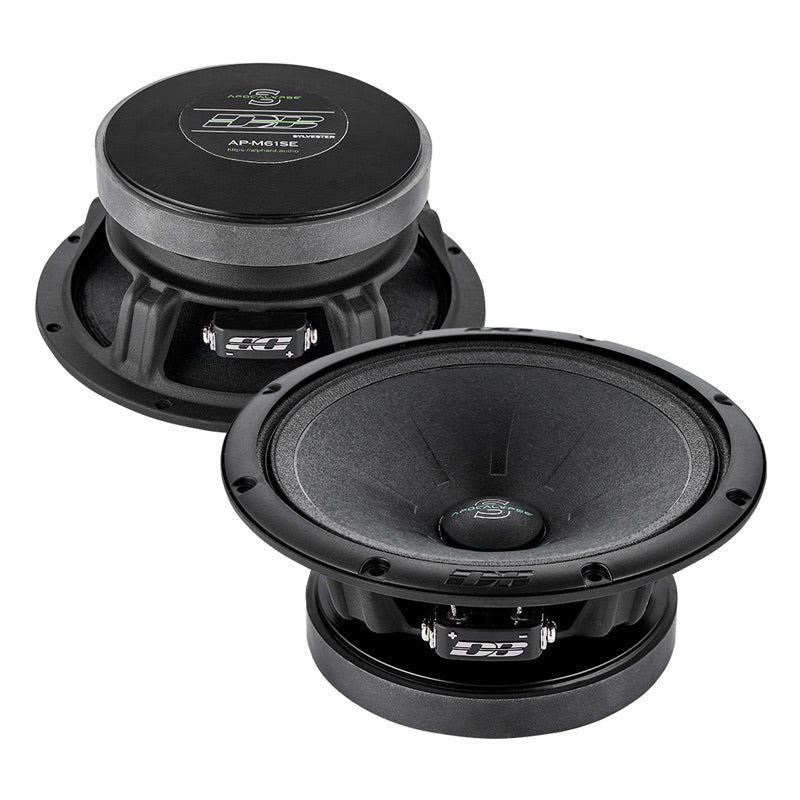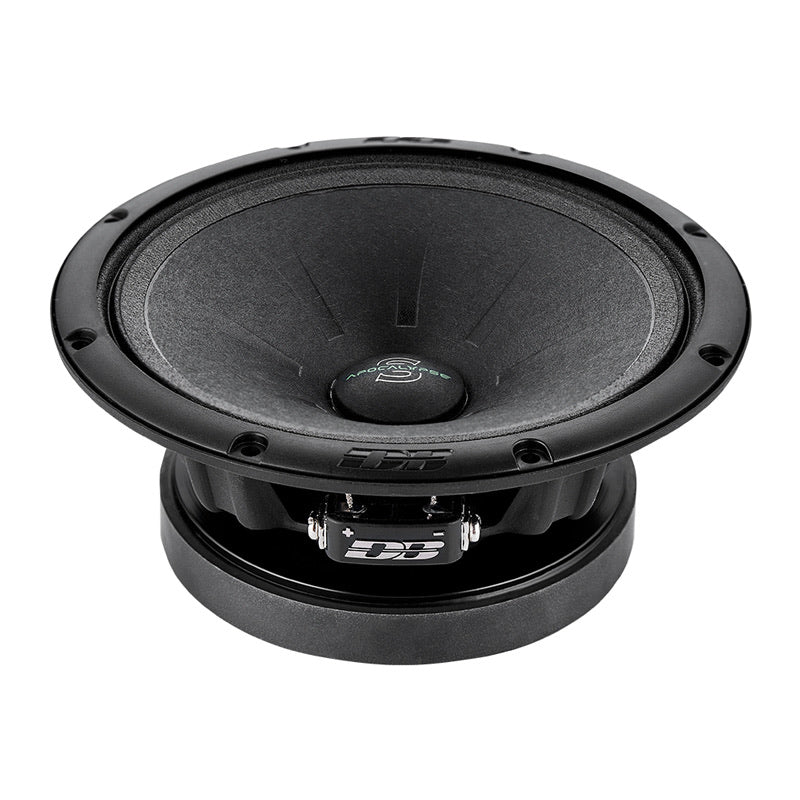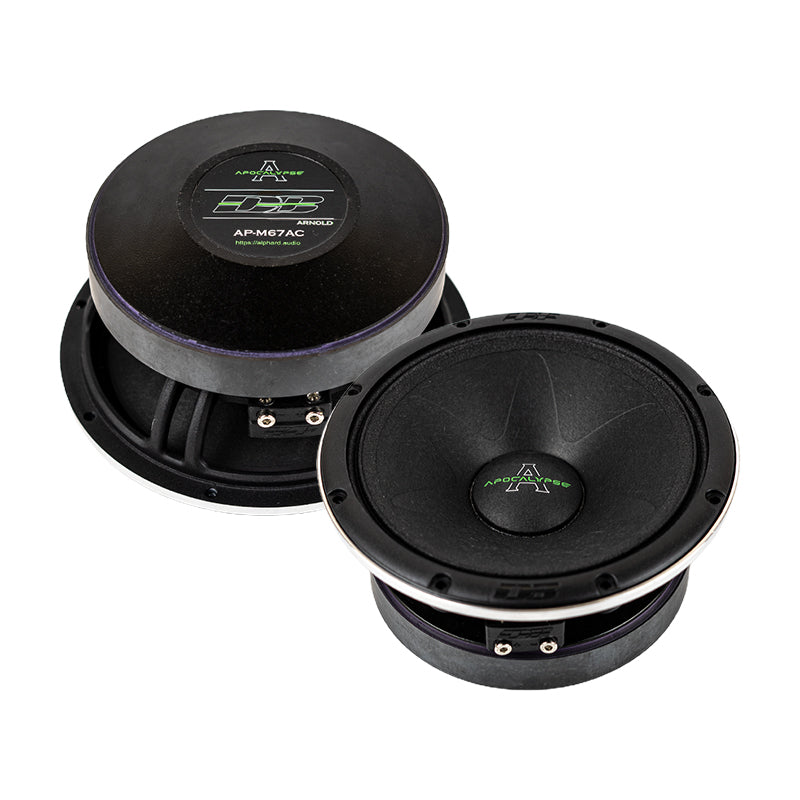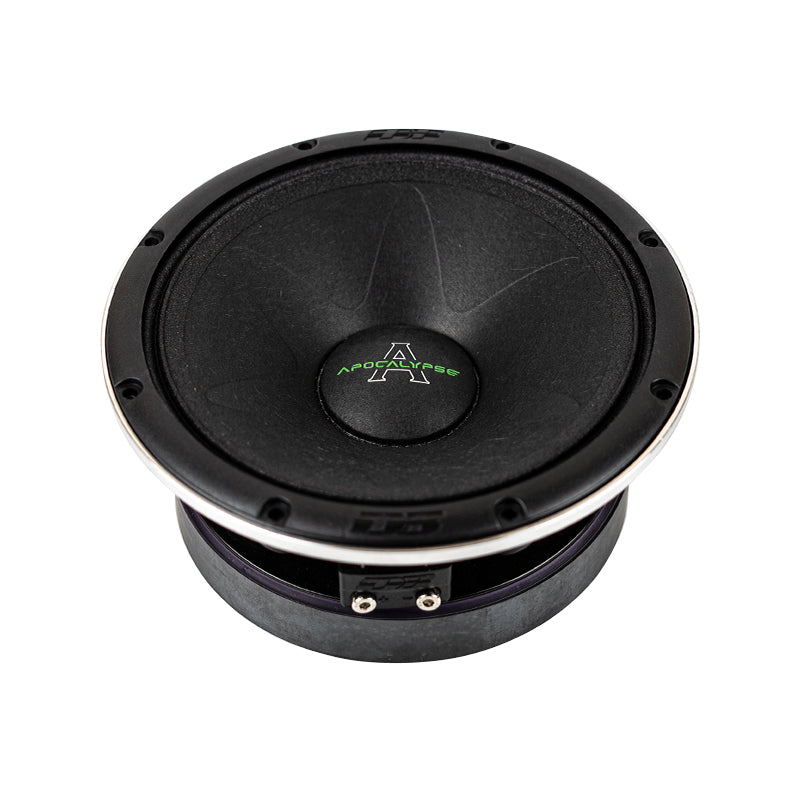

A lot of car speakers can sound good on paper, but daily driving is where the truth shows up. Traffic noise, road texture, cabin reflections, and long listening sessions expose whether a speaker is actually enjoyable or just loud for a few minutes. That is why the Machete line from Deaf Bonce gets so much attention in everyday builds, especially through the Elite Auto Gear lineup that includes MFX-60 coaxials, MM-60 V2 and MM-60 NEO midrange drivers, MW-80 and LW-65A4 midbass options, plus MT-102 tweeters.
The short answer is that Machete speakers can be a smart daily-driver choice when the goal is strong clarity, good output, and a more energetic sound style than a typical budget replacement speaker. They are less about polite background audio and more about giving vocals, mids, and upper detail enough presence to stay alive in real traffic. That said, they make the most sense when the rest of the system is chosen to match, especially the amplifier, tuning, and install depth.
What the Machete series is built to do
The Machete lineup is not just one speaker type. Deaf Bonce splits the series into coaxials, midrange drivers, midbass speakers, and tweeters, which gives installers room to build a system around the sound they want instead of forcing one driver to do everything.
On the Elite Auto Gear side, that machete series includes

6.5-inch MM-60 V2 NEO midrange speakers


That variety matters for daily drivers because daily listening is rarely one-note. Some people want easy front-stage clarity with a simple coaxial swap. Others want a more serious front stage with separate midrange and tweeter control. Machete is useful precisely because it covers both styles of build.
Machete speaker sound quality in real use
Machete speaker sound quality leans toward clean projection and strong midrange presence rather than a soft, relaxed presentation. The 6.5-inch MFX-60 coaxials are rated at 50W RMS and 100W max, which makes them a realistic upgrade for drivers who want clearer sound without jumping straight into a complicated build. The coaxial format also keeps installation simpler than a full multi-driver system.
For drivers who want more focus and output in the front stage, the MM-60 V2 is a 6.5-inch midrange with a 100 to 12000 Hz response, 90W RMS, 180W max, and 93 dB SPL. The MM-60 NEO steps that up to 100W RMS and 200W max. Those specs point to speakers that are designed to stay active and articulate in the range where vocals and most instruments live.
The MT-102 tweeter also supports that idea. It is rated from 2000 to 20000 Hz, with 30W RMS, 60W max, and 105 dB SPL, which suggests a high-output top end that can add detail and brightness when tuned correctly.
Why daily drivers care more about clarity than peak hype
A daily driver needs speakers that still sound good after an hour in traffic, not just during a short demo. That is where the Machete style makes sense. The lineup gives you enough output to stay audible over road noise, but the real value comes from midrange presence and clear articulation, especially when music is played at moderate volume most of the time.
This is also why the Machete series can work well for people who listen to vocals, hip hop, rock, or mixed playlists during commutes. A speaker that projects the center of the music well tends to feel more satisfying in a car than one that only sounds impressive at full volume. That is an inference based on the series’ strong midrange and tweeter options, not a claim that every setup will sound the same.
Machete vs Budget Speakers
When comparing Machete vs budget speakers, the difference becomes clear once you look at how each option performs in real driving conditions. Budget speakers are usually designed for basic replacement, while Machete speakers are built for stronger output, better clarity, and system expansion.
This side-by-side comparison to help you understand where each one stands:
| Feature | Machete Speakers | Budget Speakers |
|---|---|---|
| Sound Quality | Clear, forward, and detailed sound with strong midrange presence | Basic sound, often lacks detail and depth |
| Output Level | Higher output with better projection in noisy environments | Limited output, struggles at higher volume |
| Build Purpose | Designed for performance-focused upgrades and system building | Designed mainly for simple factory replacement |
| Speaker Types Available | Wide range including coaxials, midrange, midbass, and tweeters | Mostly coaxial or full-range options |
| Tuning Flexibility | Works well with amplifiers and custom tuning setups | Limited tuning potential |
| Daily Driving Performance | Maintains clarity and presence even with road noise | Can sound dull or weak in real driving conditions |
| Upgrade Potential | Easy to expand into a full system over time | Limited upgrade path |
| Installation Complexity | May require planning for best results | Usually quick and simple install |
For daily drivers, this comparison matters more than specs alone. Budget speakers can be enough if you just want a quick replacement without much effort. They get the job done but rarely improve the overall listening experience in a meaningful way.
Machete speakers, on the other hand, are better suited for drivers who want noticeable improvement in car audio clarity, stronger vocals, and a system that feels more alive during everyday use. They also give you the flexibility to upgrade further, whether that means adding a midbass driver, tweeter, or amplifier later.
If the goal is basic sound, budget speakers work or more engaging and powerful daily driver setup, Machete speakers offer a clear advantage.
Which Machete options make the most sense for daily drivers
If the goal is a simple, practical upgrade, the MFX-60 is the easiest daily-driver choice because it is a 6.5-inch coaxial and keeps the install straightforward. If the goal is stronger front-stage detail, the MM-60 V2 is a good step up because it is a dedicated 6.5-inch midrange with a defined response range and higher output potential.
If you want more authority in the lower mids and a fuller front stage, the MW-80 8-inch midbass is worth attention. It is rated at 175W RMS and 350W max, which suggests it is intended for more serious output and stronger lower-mid punch than a basic door speaker.
For systems that need a high-output top end, the MT-102 tweeter is the most direct way to add detail. Its 105 dB SPL rating and 2 to 20 kHz response show that it is built to be heard clearly, which is useful in cars with more noise or with stronger midbass and midrange drivers.
Machete car speaker install: what matters most
A Machete car speaker install should be treated like a real audio project, not just a swap. The deeper midrange models need enough mounting depth and a stable door or baffle location. The MM-60 V2 has a mounting depth of 2.83 inches, while the MT-102 tweeter is listed at 1.34 inches, so planning space before buying is smart.
Tuning matters just as much as the physical install. A coaxial like the MFX-60 can stay simple, but a midrange and tweeter combination will usually sound best when crossover points, gain, and speaker placement are handled carefully. Otherwise, the speakers can sound bright or thin even though the hardware itself is capable. That is a practical inference from the way the lineup is split into different speaker roles.
Are Machete speakers worth it for daily drivers?
Yes, for the right kind of daily driver, they are worth it. Machete speakers make the most sense for people who want more presence, cleaner vocals, and stronger output than a basic budget replacement can usually deliver. They are especially appealing if you are building a system piece by piece and want a brand family that already offers coaxials, midrange, midbass, and tweeter options.
If your priority is soft, relaxed sound at very low volume with almost no tuning effort, a simple factory-style speaker may feel easier. If your priority is a stronger, clearer, more energetic system that can hold its own in real driving conditions, the Machete lineup is a solid place to look. That is the real Machete speakers review takeaway, and it comes down to matching the speaker type to the way the car is used.