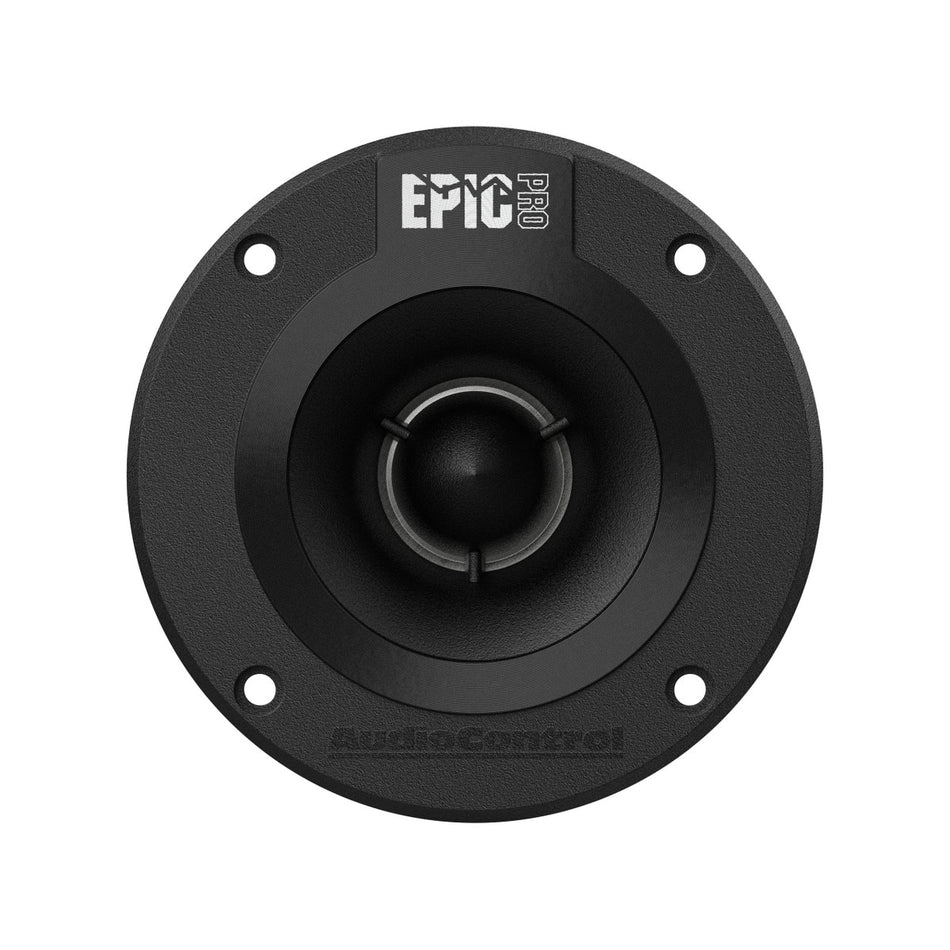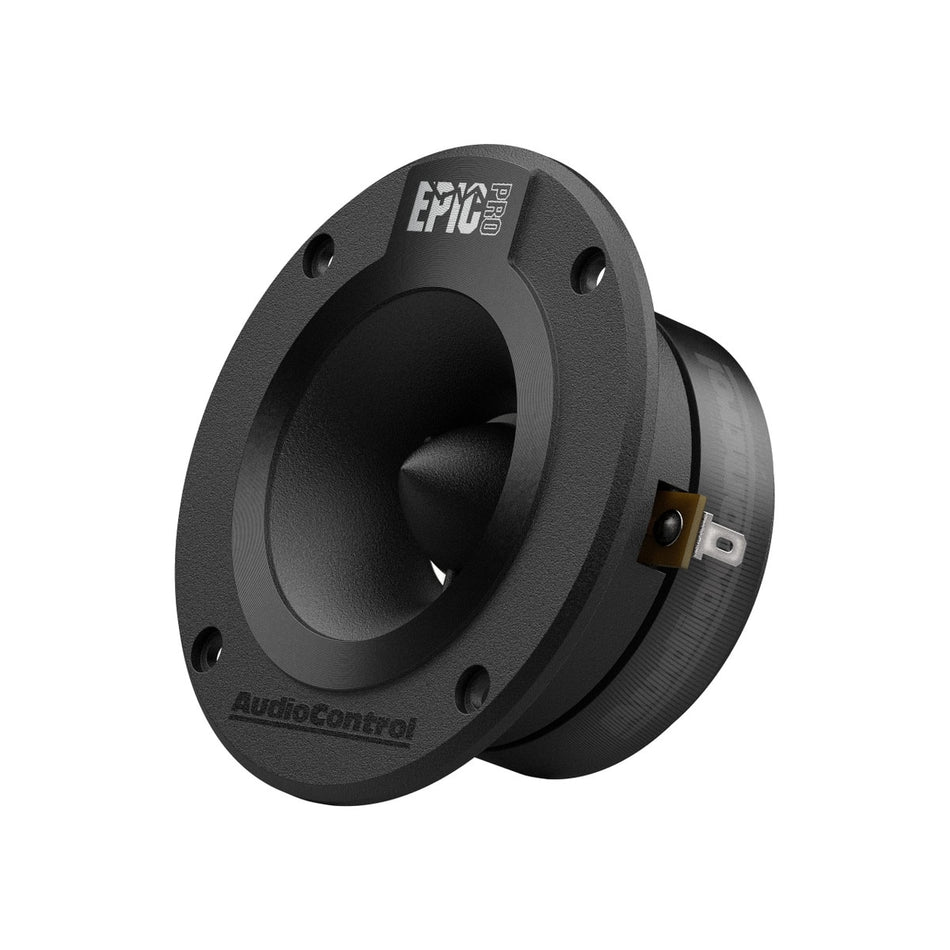

Some vehicles sound sharp and fatiguing even at low volume, while others feel warm and full without much effort. In many of these cases, bass is not the problem. Excessive brightness and uncontrolled high frequencies are what make listening uncomfortable. This is why certain cars benefit more from tweeter control than from adding subwoofers or increasing low-end output.
Vehicle cabin design, interior materials, and speaker placement all influence how treble behaves. When these factors work against each other, high frequencies dominate the soundstage and mask detail instead of enhancing it.
Understanding Why Treble Becomes Overpowering
High frequencies are highly directional and reflect easily off hard surfaces. Glass, plastic trim, dashboards, and windshields bounce treble energy back toward the listener much more aggressively than bass.
In compact cabins or vehicles with large glass areas, tweeters can easily overwhelm the rest of the system. Vocals become sharp, cymbals sound piercing, and listening fatigue sets in quickly.
Bass frequencies, on the other hand, disperse more evenly and are less affected by reflective surfaces. This is why bass often feels controlled while treble feels excessive.
Cabin Design Plays a Major Role
Every vehicle interior shapes sound differently. Cars with upright windshields, hard dashboards, and minimal soft materials tend to amplify high frequencies. Sound reflects forward and upward, creating a brightness spike near ear level. Luxury vehicles with leather, carpeting, and layered door panels absorb more treble naturally. These cars may handle tweeters well but still struggle with bass reinforcement. This difference explains why two vehicles with identical audio equipment can sound dramatically different.
Tweeter Placement and Its Effect on Harshness
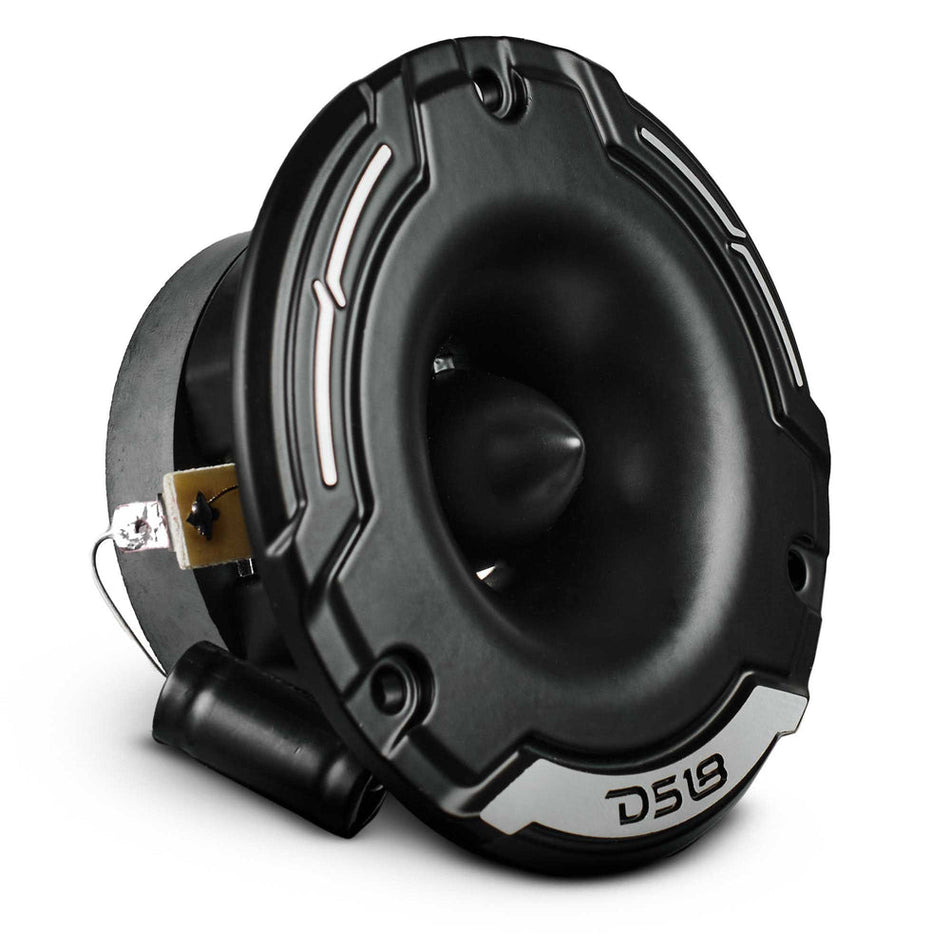
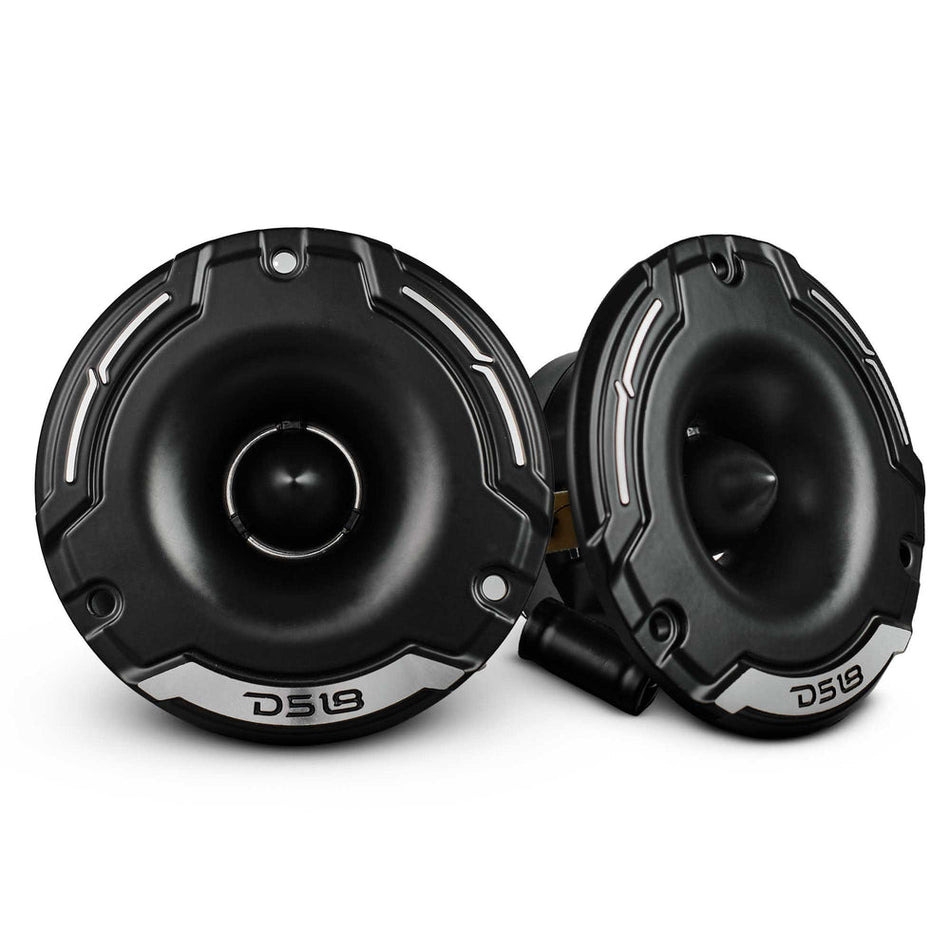
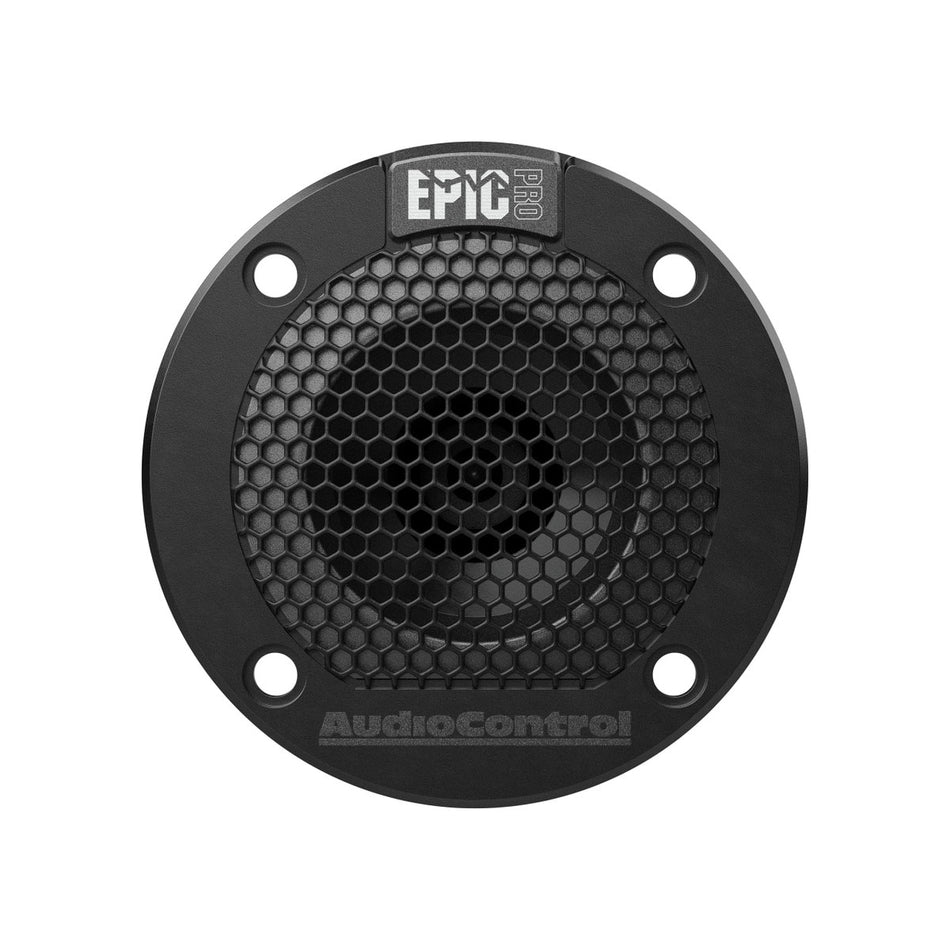
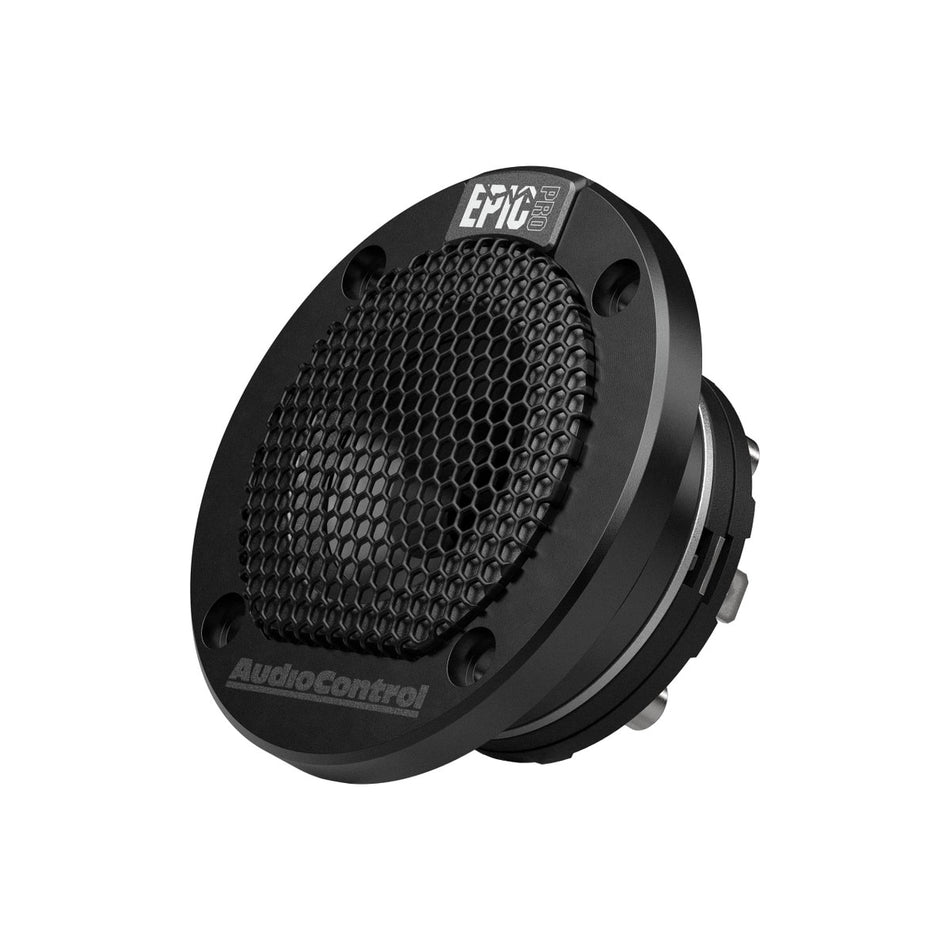
Tweeters are often installed high in the cabin, such as in A-pillars or sail panels. While this improves imaging, it can also introduce high frequency harshness if not controlled.

When tweeters aim directly at the listener or reflective surfaces, treble energy concentrates instead of dispersing. This creates an aggressive sound signature that feels louder than it actually is.
Proper tweeter tuning involves balancing direction, output level, and crossover behavior rather than simply turning the treble down.
Why Bass Control Is Sometimes Less Important
Bass issues are easy to identify. Rattles, boominess, or weak output are obvious. Treble problems are more subtle and often misunderstood.
Many drivers assume brightness means clarity and mistake harshness for detail. As a result, they add more bass to compensate, which only masks the real issue temporarily.
When tweeter output is balanced correctly, bass often feels fuller without adjustment because the overall frequency spectrum becomes more even.
The Role of Speaker Crossover Tuning
Speaker crossover tuning determines which frequencies reach each driver. Poor crossover settings allow tweeters to play too low into the midrange, where they become aggressive and strained.
This overlap causes brightness and listener fatigue, especially at moderate volumes. Proper crossover points protect tweeters and smooth transitions between drivers.
In many systems, adjusting crossover slopes and cutoff points improves treble balance more effectively than changing speakers.
Brightness Control Without Killing Detail
Reducing treble does not mean losing clarity. The goal is to remove excess energy, not eliminate high frequencies entirely. Effective brightness control focuses on controlling peaks rather than flattening the entire top end. This preserves air and detail while eliminating sharp edges. Proper tuning allows vocals to sound natural, cymbals to shimmer instead of hiss, and strings to remain smooth.
Why EVs and Quiet Cars Expose Treble Issues
Low noise cabins reveal problems that noisy vehicles hide. Electric vehicles and well-insulated cars make high frequency harshness more noticeable. Without engine noise masking treble spikes, listeners become sensitive to minor tuning flaws. This is why EV audio systems often require careful tweeter control despite modest bass needs.Quiet cabins demand smoother frequency balance rather than louder output.
How Interior Materials Affect High Frequencies
Soft materials absorb treble, while hard materials reflect it. Vehicles with minimal fabric surfaces tend to exaggerate high frequencies.
Dashboards, door panels, and glass surfaces create early reflections that reinforce brightness. This leads to uneven treble response across seating positions.
Tweeter tuning compensates for these reflections more effectively than bass adjustments.
Signs Your System Needs Tweeter Control
Common indicators include:
-
Vocals that sound sharp or sibilant
-
Cymbals that dominate the mix
-
Ear fatigue after short listening sessions
-
Volume needing to stay low for comfort
-
Bass sounding fine but unbalanced
These symptoms point to treble imbalance rather than low-end weakness.
Practical Ways to Improve Treble Balance
Tweeter control does not always require new equipment. Small changes can make a noticeable difference:
-
Adjusting Angle: Moving tweeters slightly off-axis (not pointing directly at your ears) smooths response naturally.
-
Level Attenuation: Many passive crossovers have a jumper to drop the tweeter output by -3dB or -6dB.
-
DSP Tuning: Use an equalizer to target specific peaks in the 3kHz to 8kHz range rather than flattening the entire top end.
-
Physical Damping: Adding small amounts of sound-absorbing material near the tweeter can reduce early reflections off the glass.
Why Installers Sometimes Miss Treble Problems
Installers often tune systems briefly in controlled environments. Road noise, cabin reflections, and long listening sessions reveal issues that short tests do not.
Brightness that seems exciting at first can become tiring over time. Experienced tuners account for real-world driving conditions when adjusting tweeter output.
This long-term perspective separates good tuning from impressive demos.
Balanced Treble Improves the Entire System
When treble is controlled properly, the entire system benefits. Bass feels tighter, midrange sounds fuller, and volume becomes more usable.
Listeners often describe the improvement as smoother, more natural, and easier to enjoy for long drives. These results come from balance, not added power.
Tweeter tuning shapes the character of the system more than many expect.
Why Some Cars Demand More Attention Up Top
Not all vehicles treat high frequencies equally. Interior design, speaker placement, and cabin acoustics determine whether treble becomes dominant. Understanding this helps drivers avoid unnecessary bass upgrades and focus on what truly improves sound quality.
In many cars, controlling brightness unlocks clarity that was already present but buried under excess treble energy.
Sound quality is not about adding more of everything. It is about letting each frequency play its role naturally. When tweeters are controlled properly, the entire system finally works together instead of fighting itself.