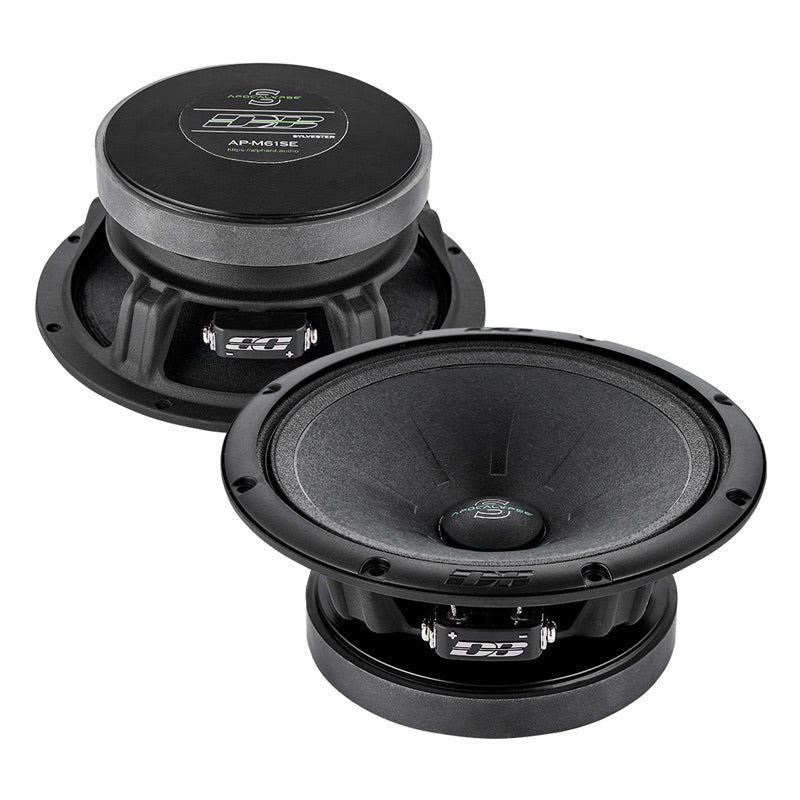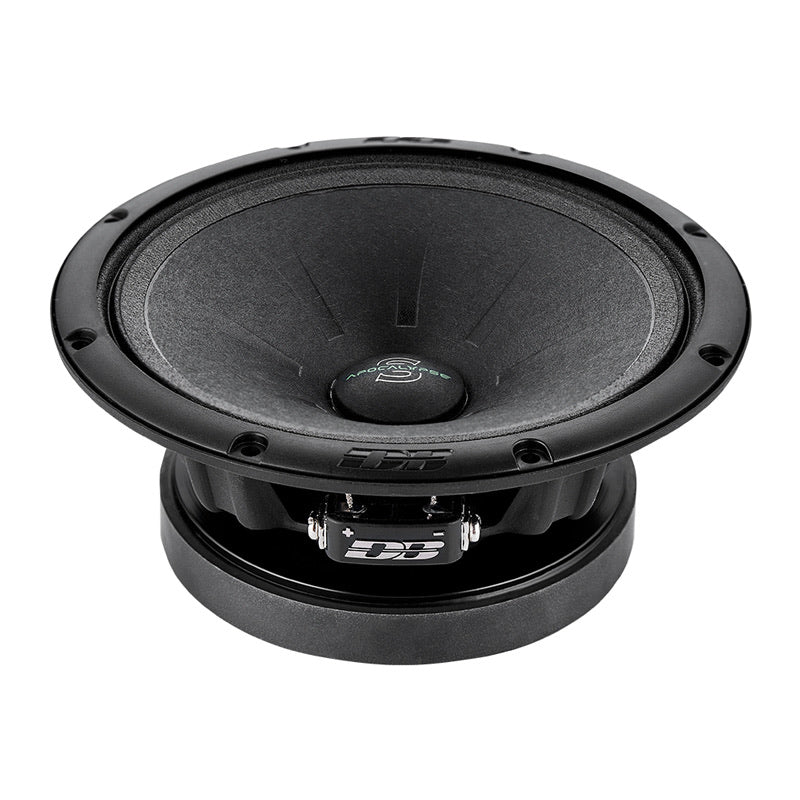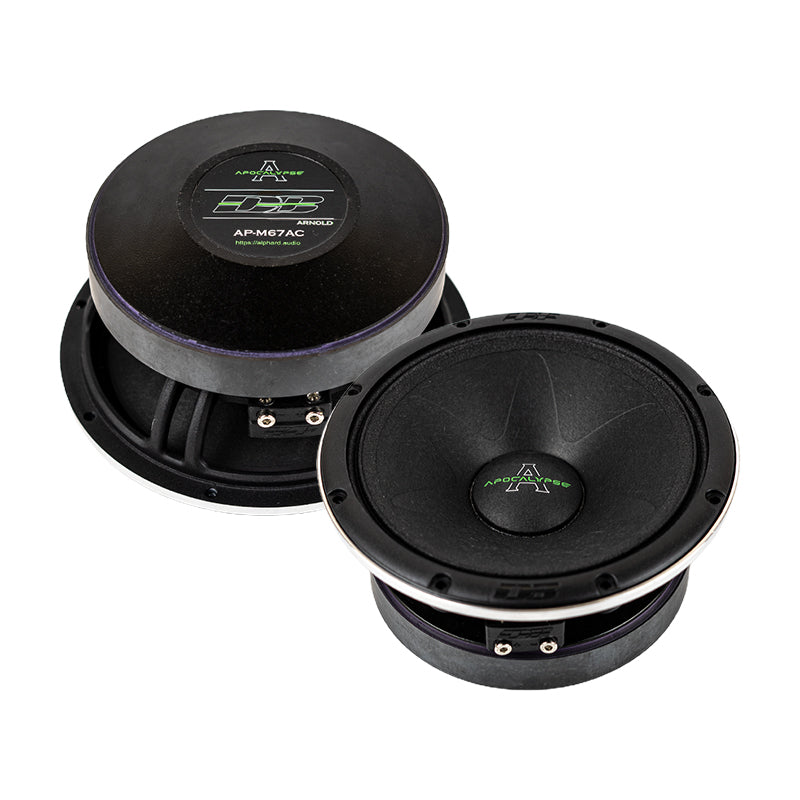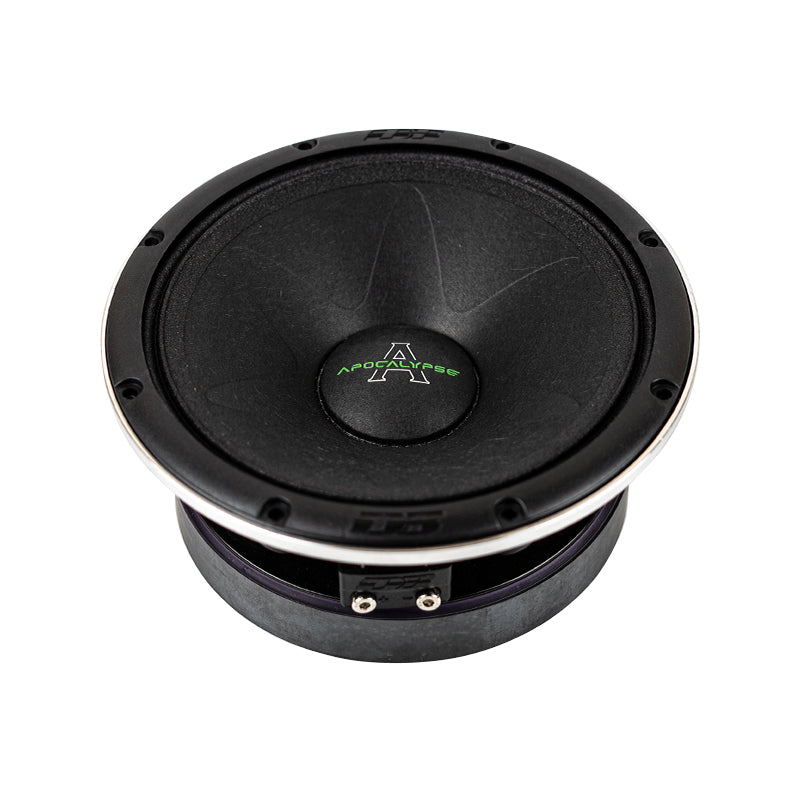

Unlike home speakers, car speakers are mounted in doors, dashboards, and rear panels where heat, moisture, and vibration are unavoidable. In the summer, interior temperatures can exceed 140°F, while winter cold stiffens materials not designed for flexibility. Furthermore, UV radiation through the windshield can cause dashboard-mounted speakers to become brittle and crack.
Over time, poor material choices lead to:
-
Cracking or warping speaker cones.
-
Loss of midrange detail as materials soften.
-
Rattling and distortion from degraded surrounds.
-
Mechanical failure due to UV damage and humidity.
Speaker Cone Materials Compared
The cone determines how accurately sound is reproduced and how well the speaker survives stress.

-
Paper Cones: Lightweight and natural sounding. However, untreated paper absorbs moisture and can warp in humid climates. Best for: SQ-focused systems in climate-controlled cabins.
-
Polypropylene (PP): These are the workhorses of the car audio world. They are naturally water-resistant and remain stable in high heat. Best for: All-weather durability and daily driving.
-
Composite and Fiber Blends (Carbon Fiber, Kevlar, Mica): Modern blends offer the "holy grail" of speaker design: high stiffness and low weight. These materials handle high volume and vibration without flexing or distorting.
Importance of the "Surround" & UV Resistance
The surround connects the cone to the frame. In a car, this part is most susceptible to the environment.
-
Foam Surrounds: While they provide great excursion, they act like a sponge for humidity and eventually rot or "flake" away in high heat.
-
Rubber (Butyl/Santoprene) Surrounds: This is the gold standard for cars. Rubber resists heat, moisture, and UV sunlight, ensuring the speaker remains flexible for years.
Don't Forget the Highs: Tweeter Materials
Tweeters are often mounted on the dash, putting them directly in the path of the sun.
-
Silk Domes: Silk is preferred for long drives because it produces a smooth, warm sound that reduces "listener fatigue." If you find your ears ringing after an hour of driving, you likely have harsh tweeters.
-
Metal/Hard Domes (Aluminum/Titanium): These are extremely durable and can cut through road noise easily, but they can be fatiguing during extended listening sessions.
Speaker Spider and Voice Coil: The Hidden Heroes
The Spider centers the voice coil and controls movement. Traditional fabric spiders can sag over time. Resin-coated spiders are a clear upgrade; they maintain their tension and resist "settling" even after years of heavy use.
To manage the "silent killer"—heat—look for vented voice coil designs. High-quality speakers use heat-resistant adhesives and aluminum or Kapton formers to dissipate heat, preventing the coil from melting during a cross-country road trip.
How Vibration Affects Performance
Road vibration stresses every joint of a speaker. This is why Basket and Frame construction matters. While stamped steel is cost-effective, Cast Aluminum baskets are much more rigid. They don’t flex or ring under vibration, keeping the internal components perfectly aligned so your sound stays clean on rough roads.
Choosing the Right Setup for Your Drive
For drivers who spend hours behind the wheel, material selection should prioritize stability and fatigue resistance.
Look for this "Durability Checklist":
-
Composite or Poly Cones for weather resistance.
-
Rubber Surrounds to fight UV and heat rot.
-
Silk Tweeters to keep the sound smooth for long hours.
-
Cast Baskets to handle rough road vibration.
Upgrade Your Experience
If your current speakers sound dull, distorted, or inconsistent at different temperatures, material fatigue is the likely culprit. Upgrading to automotive-grade materials restores clarity and reliability without needing to change your entire head unit.
At Elite Auto Gear, we specialize in components designed to survive the real-world conditions of the road. Whether you are building a system for a weekend cruiser or a long-haul commuter, our selection of [Heat and Vibration Resistant Speakers] ensures your music sounds as good on mile 100,000 as it did on mile one.
Don't just play music—invest in a system that survives your drive.