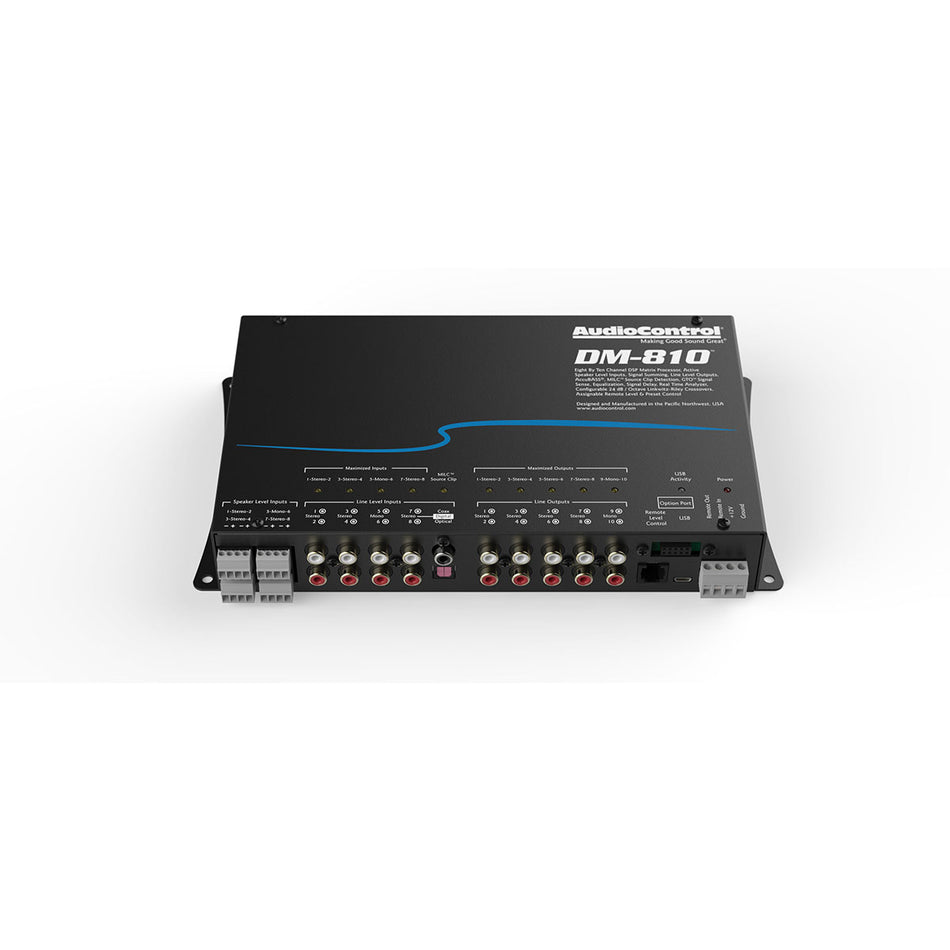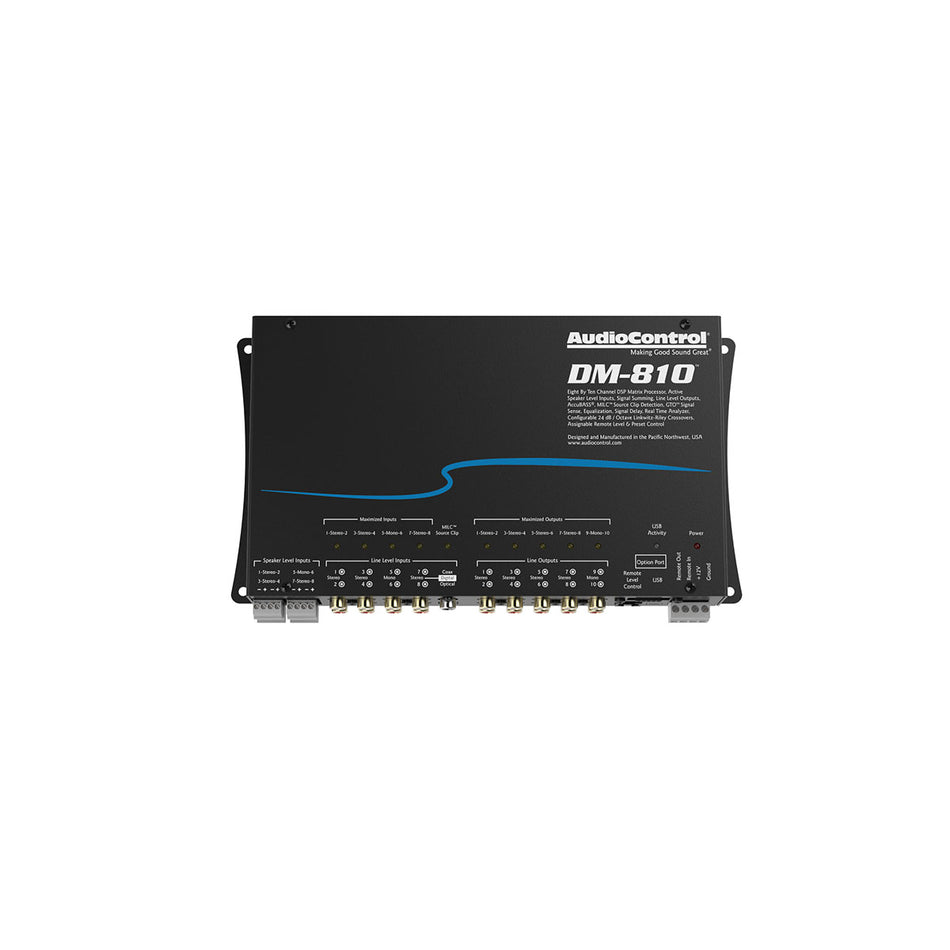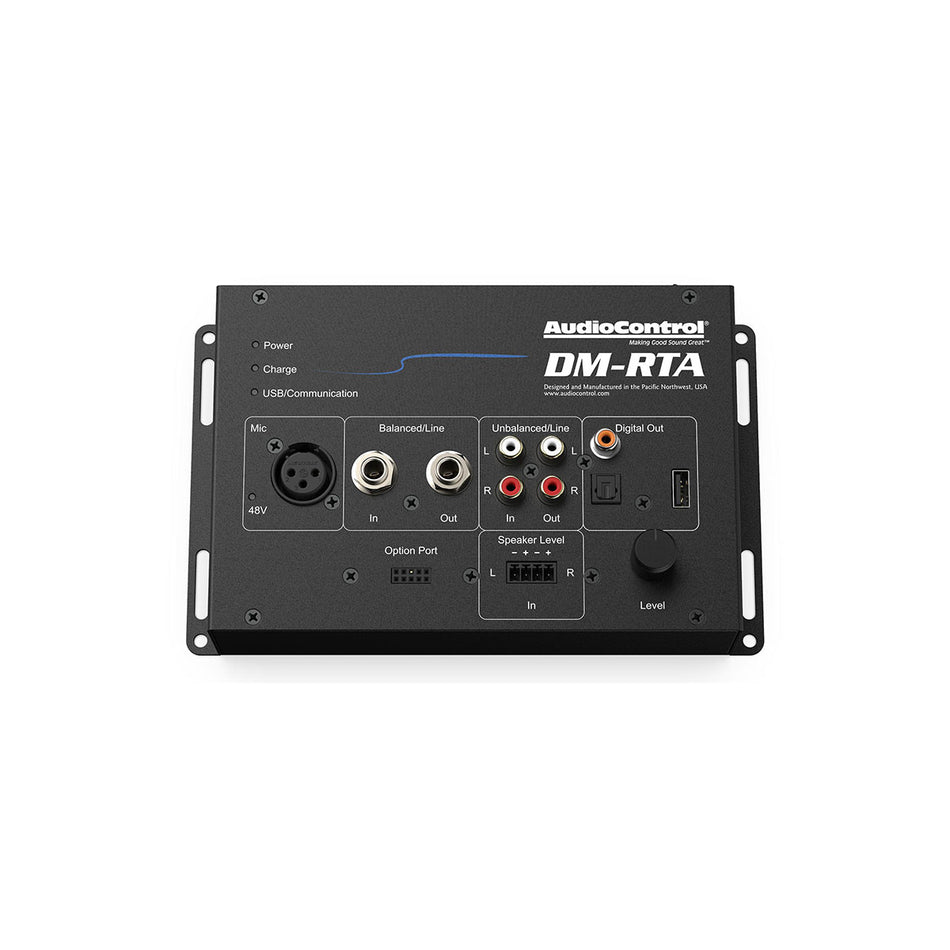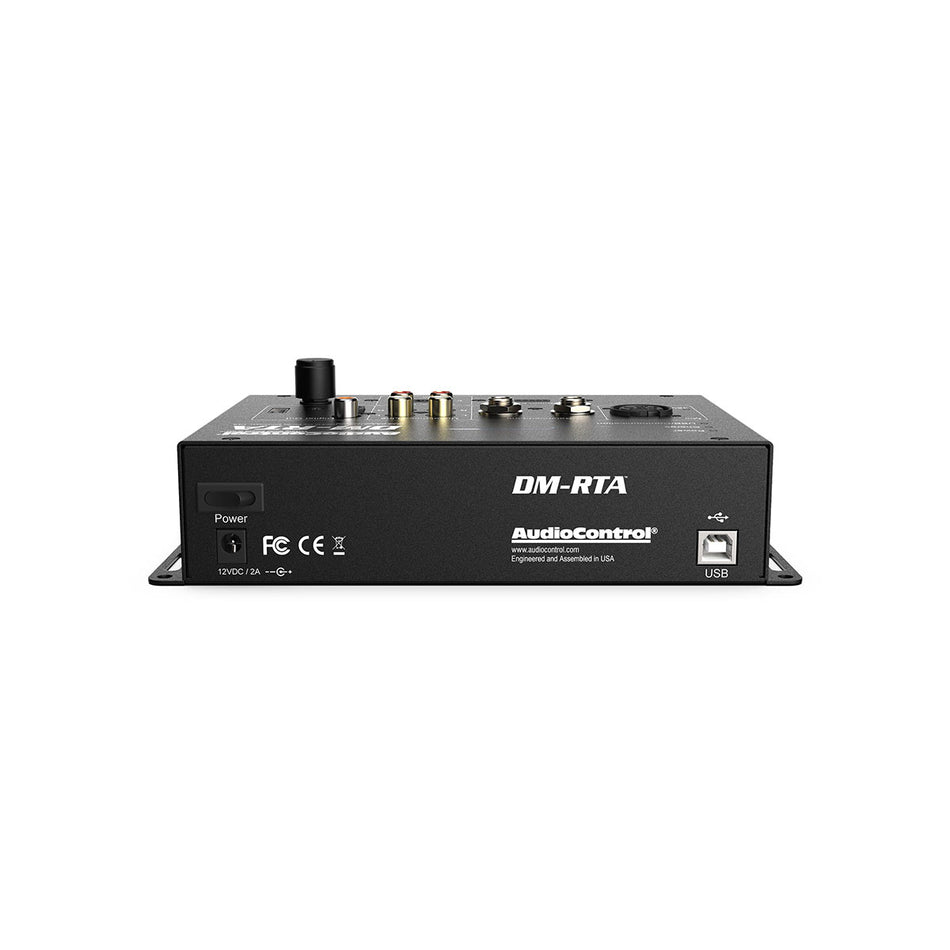

Car audio quality is not defined by volume alone. Even with high-end speakers and amplifiers, the sound inside a vehicle can feel uneven due to speaker placement, reflections, and cabin layout. This is where a digital signal processor car audio system becomes essential.
A properly tuned digital sound processor car audio setup allows precise control over how sound behaves inside the vehicle, correcting issues that hardware alone cannot fix.
What Is a Digital Signal Processor in Car Audio?
A digital signal processor (DSP) in car audio is responsible for shaping the audio signal before it reaches amplifiers and speakers. Instead of relying on basic tone controls, a DSP provides detailed control over multiple aspects of sound.
Key functions include:
-
Equalization (EQ): Adjusts specific frequency ranges for clarity and balance
-
Time Alignment: Ensures sound from all speakers reaches the listener at the same time
-
Crossover Control: Sends correct frequencies to tweeters, mids, and subwoofers
-
Signal Optimization: Cleans and refines the audio signal
Unlike traditional setups, a car audio digital signal processor works at a system level, not just individual components.
Why a Car Signal Processor Is Necessary
Vehicle interiors are acoustically inconsistent. Speakers are placed at different distances, surfaces reflect sound unevenly, and seating position affects how audio is perceived.
Without correction:
-
The soundstage shifts toward the closest speaker
-
Bass may feel muddy or overpowering
-
High frequencies can become harsh
A car signal processor corrects these imbalances by adapting the audio output to the vehicle’s environment. This is why DSP tuning is considered one of the most effective upgrades in modern automotive DSP systems.
How DSP Transforms Real-World Audio Performance
Adding a DSP is not just about control, it changes how the entire system behaves.
Sound Staging and Imaging
With proper time alignment, sound appears centered in front of the listener rather than scattered across the cabin. This creates a more natural listening experience.
Frequency Balance
Instead of overlapping frequencies causing distortion, DSP separates and distributes them correctly across speakers.
System Efficiency
Each speaker operates within its optimal range, reducing strain and improving overall output quality.
Many users note that even strong hardware sounds “flat” until DSP tuning is applied properly
Types of Car Audio DSP Solutions
Different setups require different types of DSP integration.
|
DSP Type |
Use Case |
Key Advantage |
|
Standalone DSP Units |
Advanced builds |
Maximum tuning flexibility |
|
DSP Head Units |
Simplified systems |
Built-in control + fewer components |
|
DSP Amplifiers |
Space-limited installs |
Combined power and processing |
|
Factory Integration DSPs |
OEM system upgrades |
Improves stock audio without replacing head unit |
DSP Head Units: Integrated Control Without Complexity
For many setups, DSP head units provide the most practical solution by combining control and signal processing into one device.
Deaf Bonce Gemini 770DSP Car Stereo Head Unit
A feature-rich solution with built-in DSP control, multiple RCA outputs, and precise tuning capabilities. It supports time alignment, crossover adjustments, and a 28-band EQ for detailed sound shaping.

Deaf Bonce HBM-302DSP Car Stereo
Designed for users looking for DSP functionality in a compact and straightforward setup, offering Bluetooth connectivity and integrated processing.

Advanced Processing for Multi-Channel Systems
STE STX2436 DSP Processor
Built for more complex systems, this type of processor allows detailed multi-channel tuning, making it suitable for fully active setups where each speaker is independently controlled.

Key Benefits of Using an Automotive DSP
Precision Tuning
A digital signal processor car audio system allows detailed adjustments that go beyond standard head unit controls.
Improved Clarity
Separating frequencies and correcting timing reduces distortion and improves definition across all ranges.
System Flexibility
DSPs work with both factory and aftermarket systems, making them adaptable to different builds.
Better Use of Existing Equipment
Even mid-range speakers and amplifiers perform significantly better when properly tuned through a DSP.
Choosing the Right Car Audio Digital Signal Processor
Selecting the right DSP depends on how the system is built and how much control is required.
Key factors to consider:
- System complexity: Number of speakers and amplifiers
- Tuning control: Basic vs advanced adjustment capabilities
- Integration needs: Factory system vs full aftermarket setup
- User interface: App-based vs PC tuning
For simpler builds, a DSP head unit may be enough. For advanced systems, standalone processors provide greater control.
Where DSP Makes the Biggest Difference
Not every upgrade changes the system equally. DSP has the most noticeable impact when:
-
Speaker placement cannot be changed
-
Factory systems lack tuning control
-
Multi-speaker setups require proper staging
-
Audio clarity is more important than just loudness
In these cases, a car audio digital signal processor becomes the central component that brings the entire system together.
A well-implemented digital signal processor car audio setup shifts the focus from raw power to controlled, accurate sound. Instead of compensating with louder output, DSP allows the system to perform as intended, with balance, clarity, and precision across every frequency.