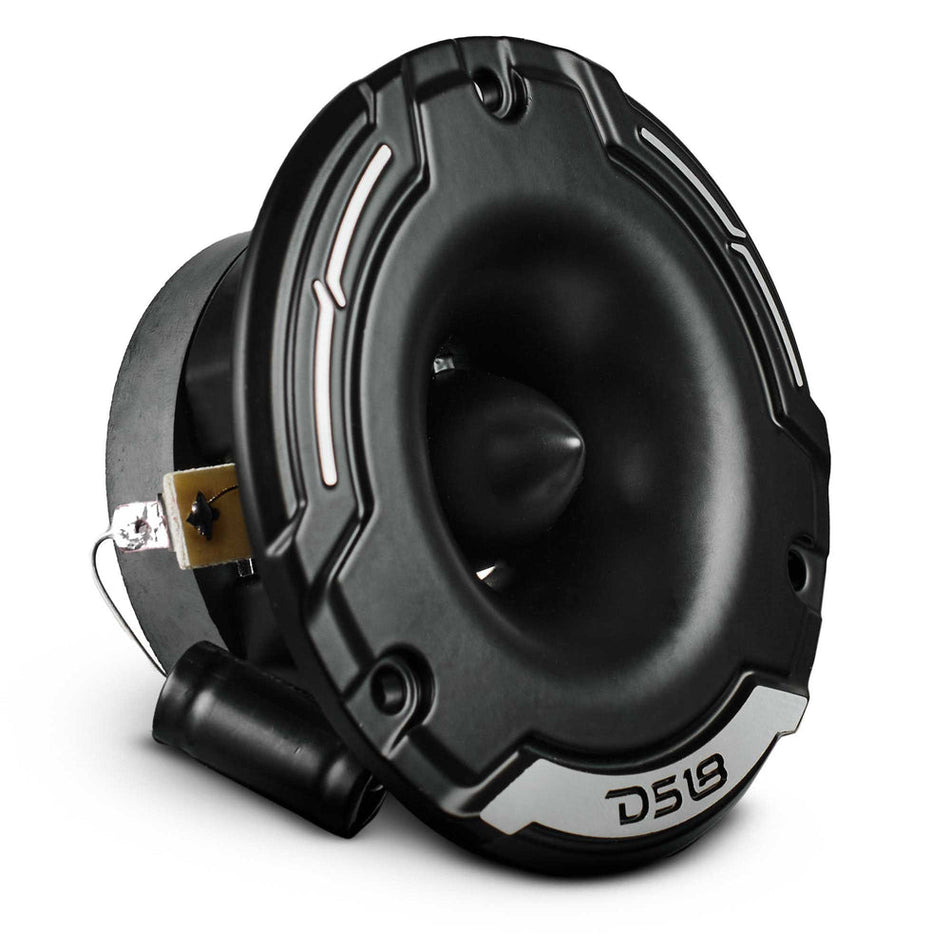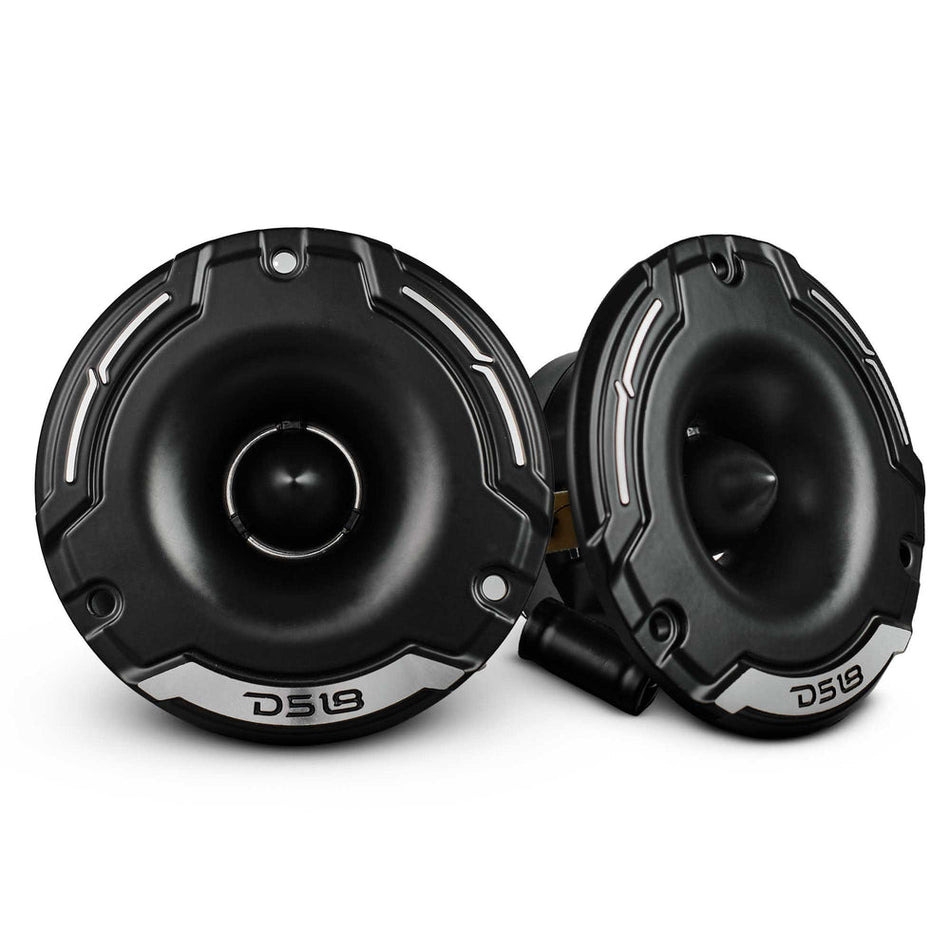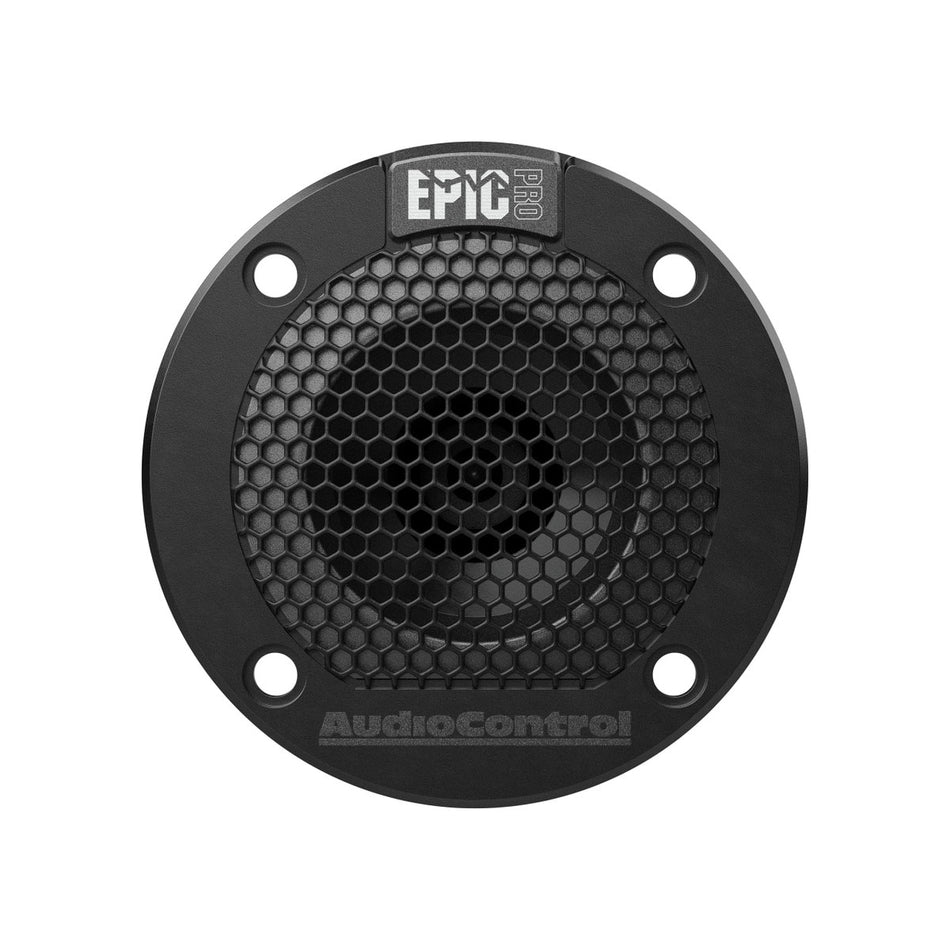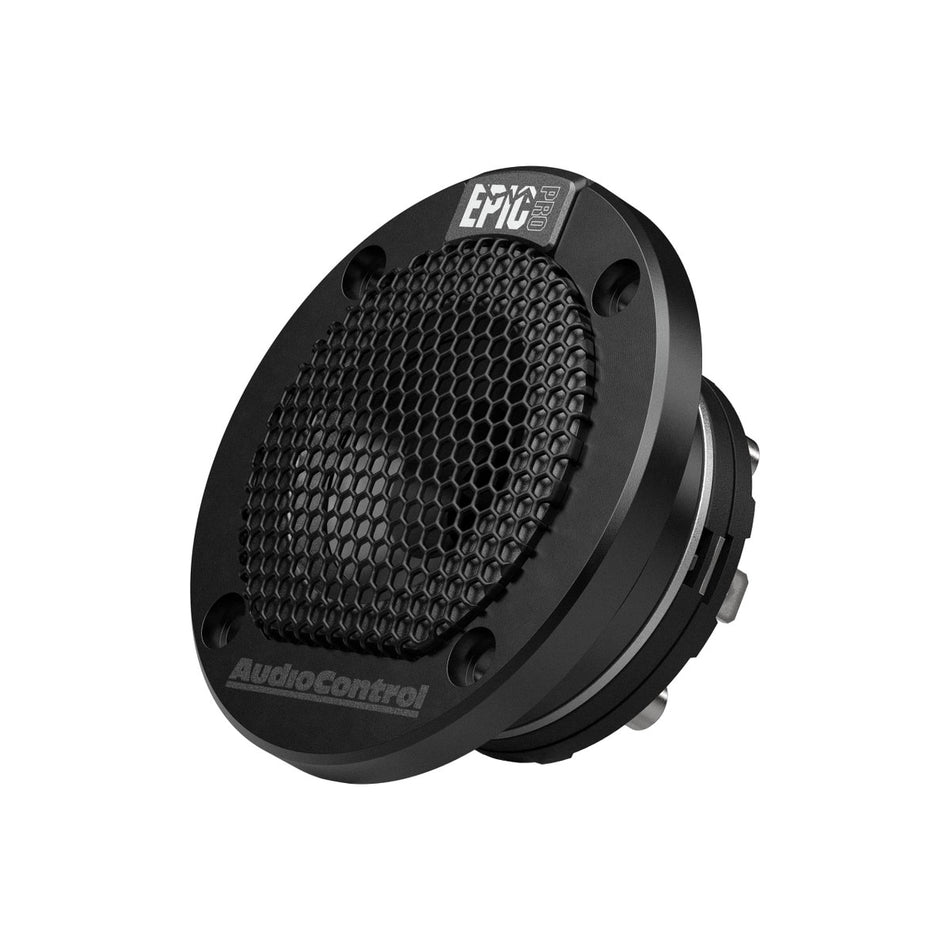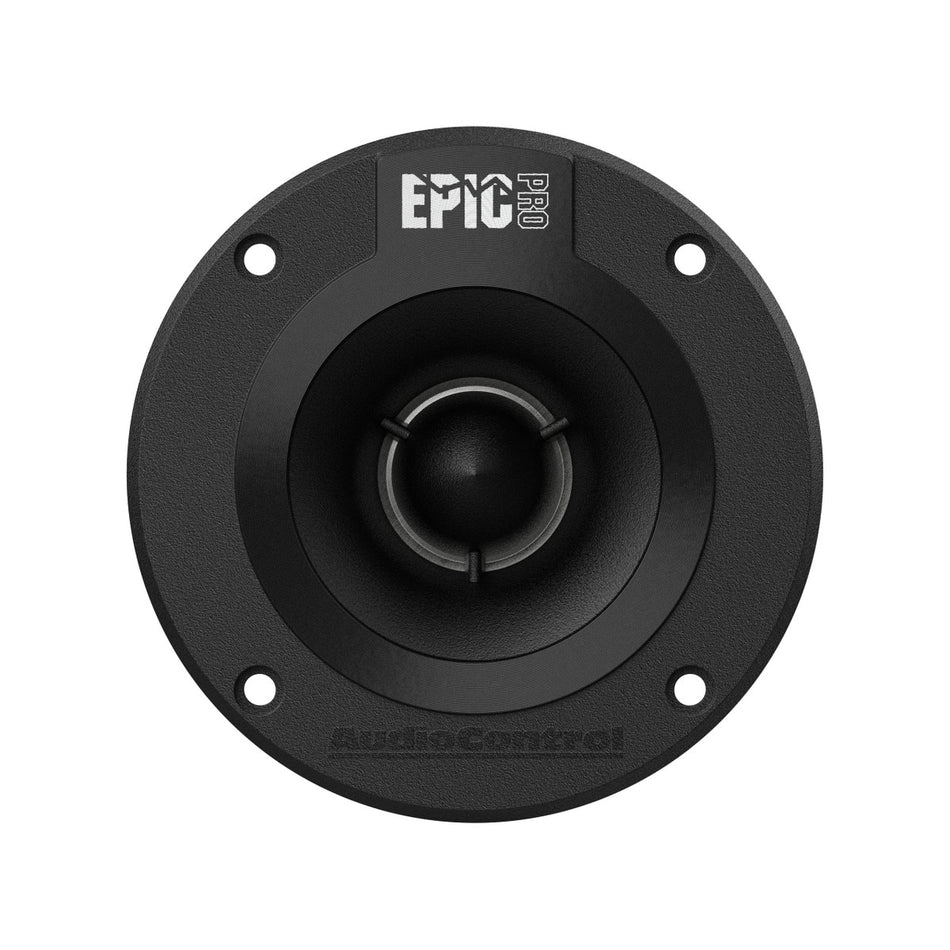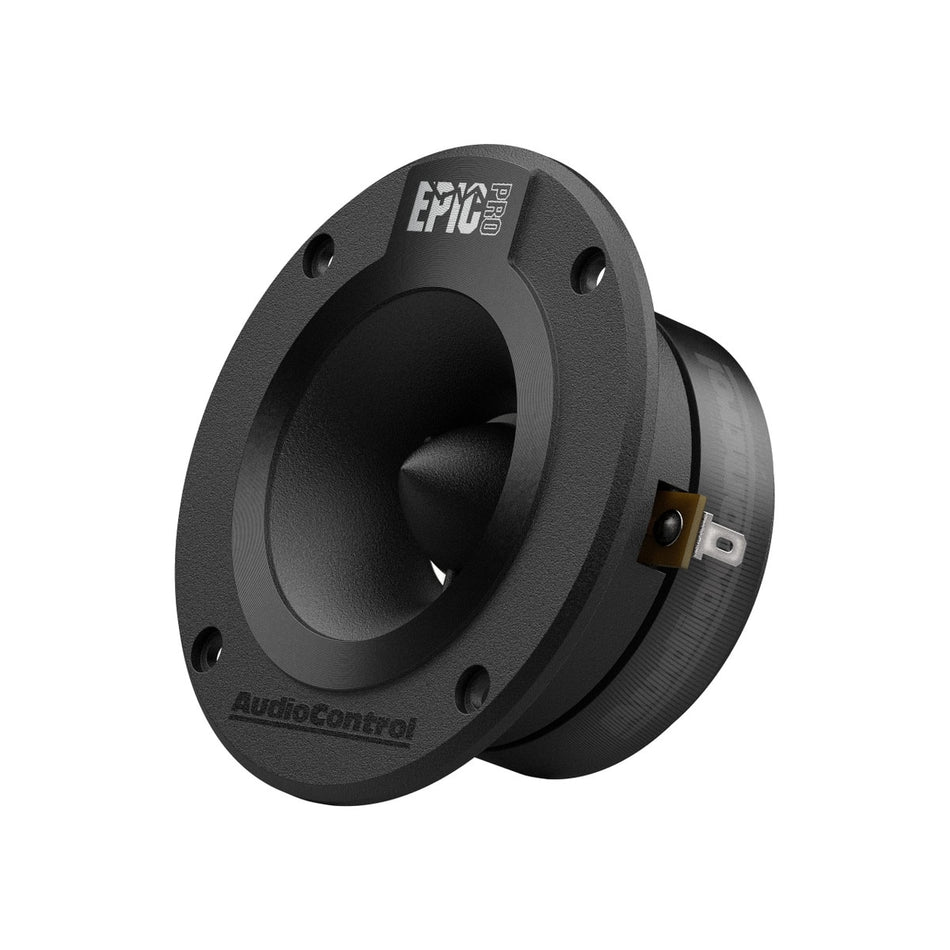

A well-tuned car audio system should deliver clear vocals, detailed instruments, and balanced frequencies across the entire sound spectrum. Tweeters play an essential role in achieving that clarity because they reproduce high frequencies such as cymbals, vocal sibilance, strings, and ambient detail.
However, many drivers notice that their system sounds too bright or sharp, especially after installing aftermarket speakers. Instead of smooth clarity, the treble becomes piercing or fatiguing. This issue is often described as harsh treble or overly bright car audio.
Harsh tweeter sound rarely comes from a single cause. It usually results from a combination of installation choices, tuning mistakes, and vehicle acoustics. Understanding these factors makes it easier to correct the problem without replacing expensive equipment.
How Tweeters impact on Overall Sound Balance
Tweeters operate in the high frequency range, typically above 2,000 Hz. These frequencies are responsible for detail and spatial cues in music. When tuned correctly, they help create a realistic soundstage where instruments appear separated and natural.

High frequencies behave very differently from bass. They are highly directional and reflect easily from surfaces such as glass, plastic, and metal. In a car cabin filled with reflective surfaces, tweeters can easily become overpowering if their output is not carefully controlled. Because of this sensitivity, even small adjustments to tweeter placement or crossover settings can dramatically affect how the system sounds.
Incorrect Tweeter Crossover Settings
One of the most common causes of harsh tweeters is improper crossover configuration. The crossover determines which frequencies each speaker receives.
When the crossover point is set too low, tweeters begin reproducing midrange frequencies that they are not designed to handle efficiently. This overlap produces sharp, strained sound and exaggerates vocal sibilance. Proper tweeter crossover settings ensure the driver handles only the frequencies it was engineered to reproduce.
Typical Crossover Guidelines
|
Speaker Type |
Recommended High-Pass Range |
|
Soft dome tweeter |
2.5 kHz – 3.5 kHz |
|
Metal dome tweeter |
3 kHz – 4 kHz |
|
Compact car tweeter |
3.5 kHz – 5 kHz |
Correct crossover slopes also matter. Steeper slopes help isolate the tweeter from unwanted lower frequencies and reduce distortion.
Poor Tweeter Positioning in the Cabin
Placement has a massive impact on high frequency perception. Because treble is directional, where the tweeter points determine how the sound reaches the listener.
Many factory locations place tweeters directly facing the windshield or glass surfaces. These surfaces reflect high frequencies back into the cabin, amplifying brightness and creating uneven peaks.
Tweeters aimed directly at the listener can also become too intense if their output level is not adjusted. A better approach often involves angling tweeters slightly off-axis so the sound disperses more evenly across the cabin.
Cabin Reflections and Vehicle Interior Design
Vehicle interiors are full of reflective surfaces. Glass windows, plastic dashboards, and hard trim pieces bounce high frequencies around the cabin. These reflections combine with the original signal and create frequency peaks that sound harsh.
Vehicles with large windshields or minimal fabric surfaces tend to exaggerate treble energy even more. This explains why the same speaker set can sound smooth in one car but overly bright in another. Cabin acoustics shape how the sound behaves after it leaves the speaker.
Small changes such as repositioning tweeters or adding sound damping materials can help control these reflections.
Excessive Equalizer Boost
Many head units allow drivers to boost treble frequencies using equalizer controls. While this may initially make music sound more detailed, excessive boost quickly pushes tweeters beyond their comfortable range.
Boosting high frequencies amplifies not only musical detail but also noise, distortion, and reflections within the cabin.
Instead of boosting treble, it is often more effective to reduce problematic peaks slightly while maintaining overall balance.
Subtle adjustments preserve clarity without creating sharp or piercing highs.
Unbalanced Speaker Levels
Another overlooked cause of harsh treble is poor level balance between drivers. If the tweeters are significantly louder than the midrange speakers, the system will emphasize high frequencies while leaving the body of the music behind. Vocals become thin and cymbals dominate the mix.
Balancing output levels ensures that each frequency range contributes properly to the overall sound. Professional installers often adjust tweeter attenuation or amplifier gains to achieve smoother integration between drivers.
Amplifier Gain and Power Issues
Amplifier gain settings influence the clarity of the signal reaching the speakers. When gains are set too high, distortion appears in the signal path. Tweeters reproduce these distortions clearly because they handle the most sensitive frequencies.
Distorted high frequencies sound sharp, brittle, and unpleasant even at moderate volume levels. Correct gain staging keeps the signal clean and prevents unnecessary strain on the tweeters.
Poor Quality Source Audio
The quality of the music source also plays a role in treble harshness. Highly compressed audio files often lose detail in the midrange and exaggerate certain high frequency artifacts.
Low-bitrate streaming or poorly encoded MP3 files can introduce grainy highs that tweeters reproduce faithfully.
Using higher quality audio sources helps maintain smoother high frequency reproduction and prevents artificial brightness.
Differences Between Tweeter Materials
Tweeter design also influences how bright or smooth the system sounds.
Different materials have distinct tonal characteristics:
|
Tweeter Material |
Typical Sound Character |
|
Silk dome |
Smooth and warm |
|
Aluminum dome |
Bright and detailed |
|
Titanium dome |
Very crisp and analytical |
|
Textile dome |
Balanced and natural |
A system that already leans bright may benefit from softer dome materials that produce smoother treble.
Signs Your Tweeters Need Adjustment
Recognizing the symptoms of harsh tweeters can help diagnose the problem quickly.
Common indicators include:
-
Vocals that sound sharp or exaggerated
-
Cymbals that overpower other instruments
-
Listening fatigue during long drives
-
Treble becoming uncomfortable at moderate volume
-
Music sounding bright but lacking warmth
When these symptoms appear, the system likely needs tuning rather than new hardware.
Practical Ways to Fix Harsh Treble
Most harsh tweeter problems can be solved with careful adjustments.
Start by reviewing crossover settings to ensure the tweeter receives the correct frequency range. Next, check positioning and experiment with slight angle changes.
Reduce excessive equalizer boosts and verify that amplifier gains are properly set. Balancing speaker levels between midrange drivers and tweeters often produces immediate improvements. Small adjustments usually produce better results than drastic changes.
Why Tweeter Tuning Improves the Entire System
Tweeters may reproduce only the highest frequencies, but their influence on perceived sound quality is enormous. When the treble is balanced correctly, the entire audio spectrum feels more natural.

Bass becomes tighter because it is no longer overshadowed by brightness. Vocals gain warmth and presence, and the soundstage expands across the cabin. Instead of focusing on a single sharp point of sound, the listener experiences a balanced and immersive musical environment.
Proper tweeter tuning transforms harsh systems into enjoyable daily listening experiences while preserving the detail that high quality car audio systems are meant to deliver.