
A complete car audio system is not defined by a single powerful component. It is the result of several parts working together with a clear purpose. Among the most important pieces are the amplifier, the DSP, and the subwoofer. The amplifier supplies clean and consistent power, the DSP manages signal processing and tuning, and the subwoofer handles the low-frequency range that most factory systems struggle to reproduce accurately.
When these components are selected with compatibility in mind, the system becomes more than just louder. Music gains depth, vocals become clearer, bass feels more controlled, and the overall listening experience becomes more engaging across different genres.
Choosing the Right Amplifier
The amplifier serves as the foundation of the system's performance. Speakers and subwoofers rely on stable power to reproduce sound accurately, especially at higher listening levels. A quality amplifier helps reduce distortion, improves speaker control, and allows the system to perform consistently.
For drivers looking for a streamlined solution, the Stinger Audio MT-1000.5 5-Channel Amplifier offers a practical approach. A 5-channel amplifier can power front speakers, rear speakers, and a subwoofer from a single chassis, making installation simpler while still supporting a complete audio upgrade.
For systems that use a dedicated amplifier for bass, the Deaf Bonce Avatar ABR-240.4 is a strong option for mids and highs. Its Class AB design makes it well suited for front-stage applications where clarity and musical detail are priorities.
Upgrading the Front Stage
The front stage has a major influence on how a system sounds because it reproduces most of the vocals, instruments, and musical detail that listeners focus on. Even a powerful subwoofer cannot compensate for weak midrange or high-frequency performance.
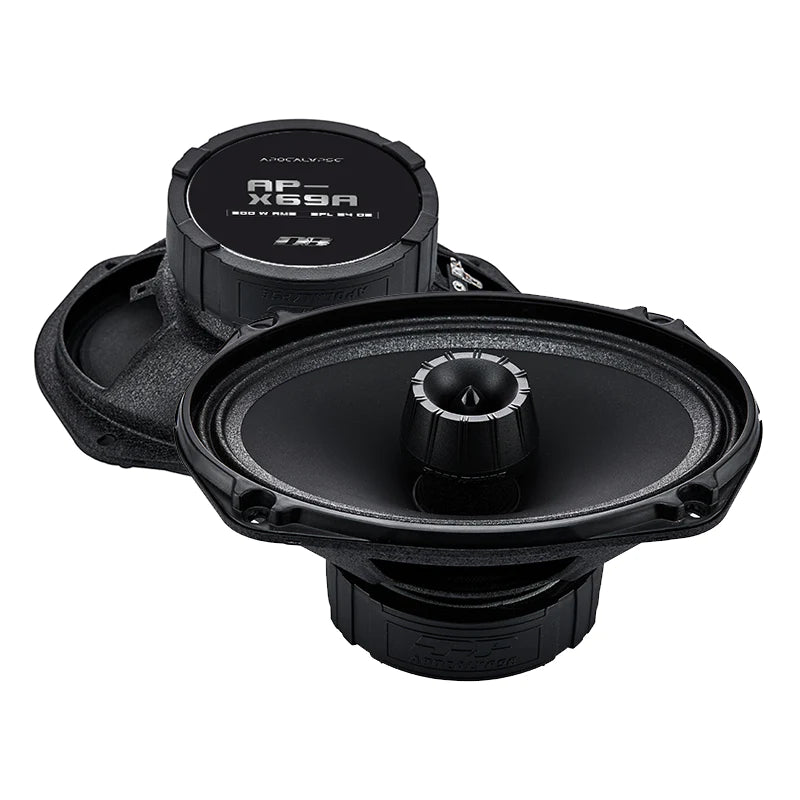
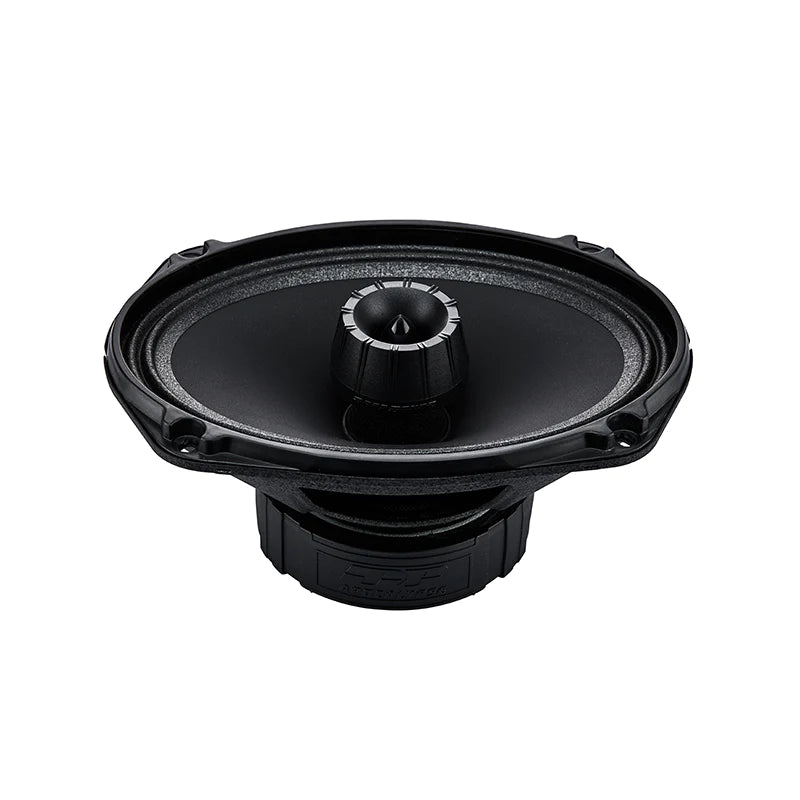
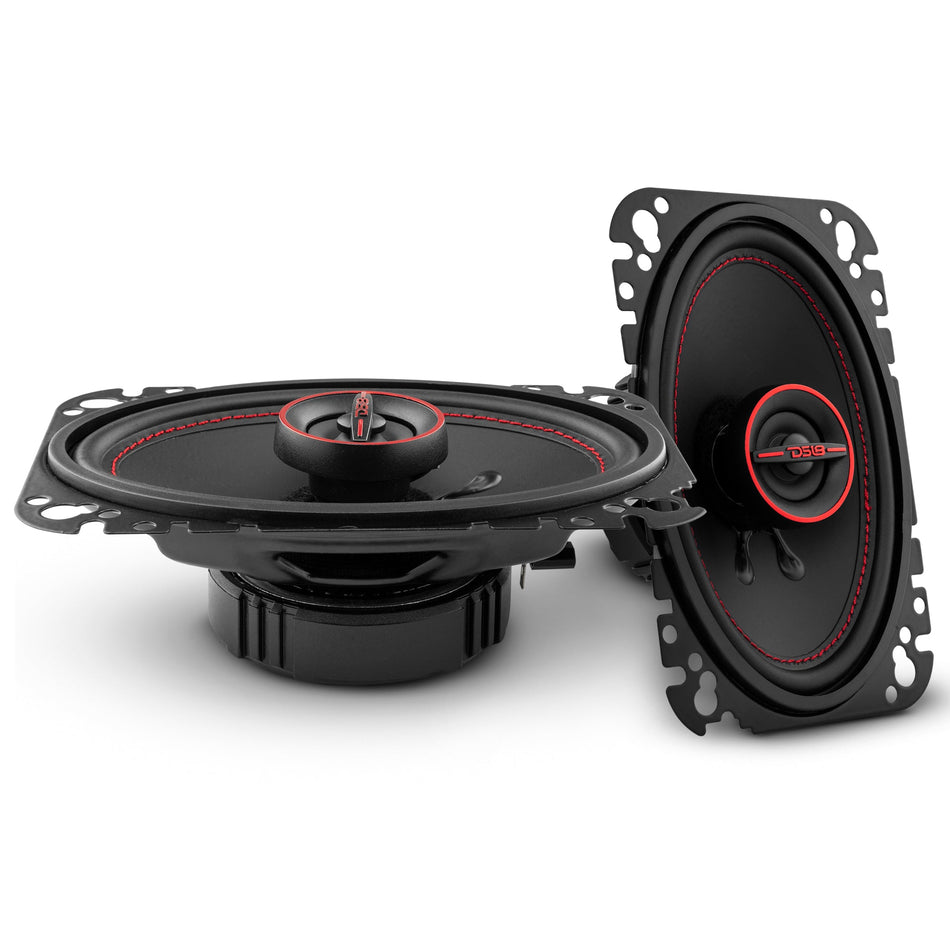
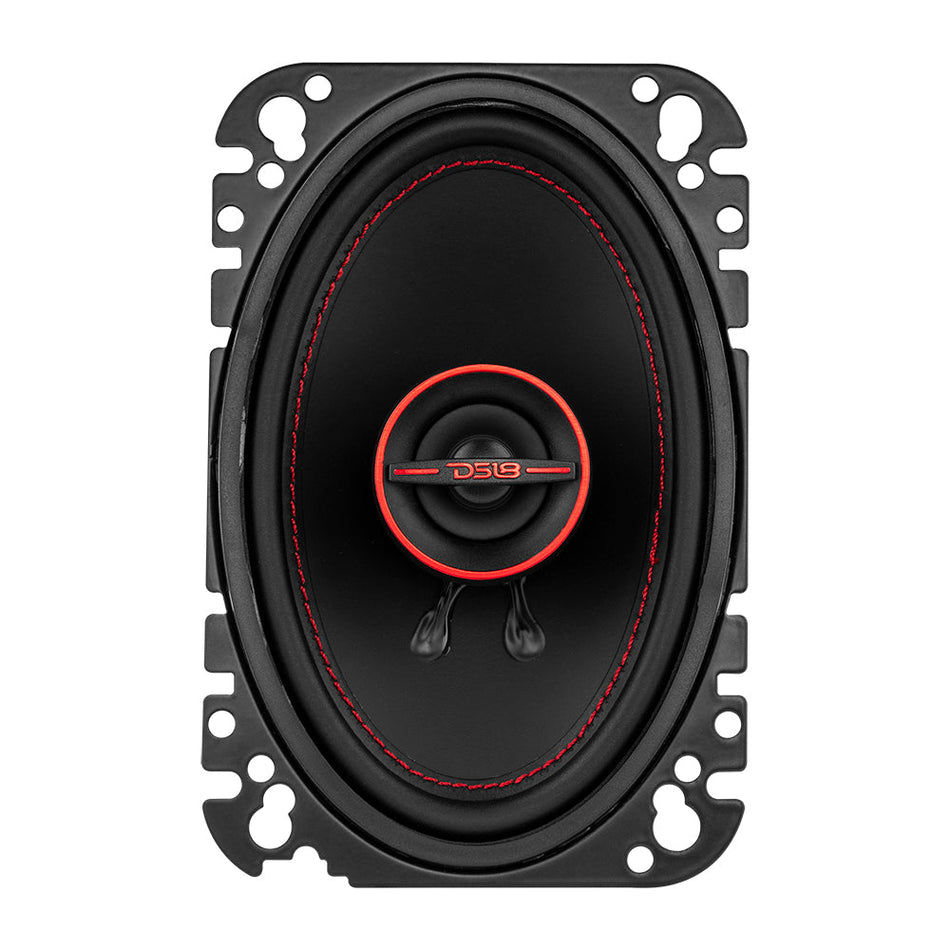
The DS18 Car Audio Bundle combines PRO-X6.4BM midrange speakers, PRO-TW1X tweeters, and a GEN-X G1800.4D amplifier into a package designed for stronger output and improved clarity. This type of setup works particularly well for listeners who enjoy energetic sound with strong vocal presence and crisp high frequencies.
To get the best results from high-output speakers and tweeters, proper tuning is essential. Without correct crossover settings and level adjustments, even premium speakers can sound harsh or unbalanced.
Why DSP Is Essential
Many audio enthusiasts focus on amplifiers and speakers while overlooking one of the most valuable tools in a modern system: the DSP.
A Digital Signal Processor allows the installer to tailor the audio signal to the vehicle's interior. Since every vehicle has unique acoustic challenges, simply adding power does not guarantee better sound. Reflections from glass, uneven speaker placement, and cabin dimensions can all affect how music is heard.
The Deaf Bonce DB-530DSP provides advanced tuning capabilities that help address these challenges. Features such as time alignment, crossover management, equalization, and flexible signal routing allow the system to be adjusted with far greater precision than amplifier controls alone.
Instead of forcing every speaker to play the same signal, a DSP allows each component to receive exactly the frequencies it is designed to reproduce. This creates a more balanced and natural presentation throughout the vehicle.
DSP Head Unit Alternative
For those planning to replace the factory radio, the Deaf Bonce Gemini 760DSP combines source control and DSP functionality into a single unit.
With Bluetooth connectivity, RCA outputs, crossover controls, and time alignment features built in, it provides a convenient starting point for a modern audio system. This approach can simplify installation while still offering many of the tuning benefits associated with standalone DSP processors.
Subwoofer Integration Matters
Adding a subwoofer is often one of the first upgrades people make, but bass performance depends on more than simply installing a larger speaker.
A properly integrated subwoofer should extend the low-frequency range of the system without drawing attention to itself. When bass is balanced correctly, it supports the music rather than overpowering it. Kick drums feel more impactful, bass guitars gain definition, and electronic music develops greater depth.
Achieving this balance requires attention to crossover settings, amplifier matching, enclosure design, and signal tuning. The DSP plays an important role here because it helps blend the subwoofer with the rest of the speakers so the transition between frequencies feels seamless.
Choosing the Right Subwoofer
Different subwoofers are designed for different listening goals. The ideal choice depends on available space, desired output, enclosure preferences, and the overall direction of the system.
High-Output Bass
The Deaf Bonce Apocalypse DB-SA275D1 15-Inch Subwoofer is built for enthusiasts who want substantial low-frequency output. Its large cone area and high power handling make it suitable for systems where deep and powerful bass is a primary objective.
Balanced Daily Performance
The Sundown Audio SAv3 12-Inch D4 Subwoofer offers a versatile balance between output capability and everyday usability. A 12-inch subwoofer often provides an excellent mix of low-end extension, punch, and installation flexibility, making it a popular choice for daily-driven vehicles.
Compact Bass Solution
The Sundown Audio Z8 8-Inch Subwoofer is designed for situations where space is limited but strong bass performance is still desired. When paired with a properly designed enclosure, it can deliver impressive output while occupying significantly less space than larger subwoofer systems.
Recommended System Combinations
| System Goal | Amplifier | DSP Control | Subwoofer |
|---|---|---|---|
| Daily balanced system | Stinger MT-1000.5 | Gemini 760DSP or DB-530DSP | Sundown SAv3 12" |
| Strong front stage with separate bass | Deaf Bonce ABR-240.4 | DB-530DSP | SAv3 12" or Apocalypse 15" |
| High-output mids and highs | DS18 Bundle | DB-530DSP | Dedicated bass setup |
| Compact bass-focused build | Speaker amplifier + DSP | Gemini 760DSP or DB-530DSP | Sundown Z8 8" |
| Extreme bass system | Separate speaker amp and sub amp | DB-530DSP | Apocalypse 15" |
These combinations are not strict rules but useful starting points. The best configuration depends on the vehicle, listening preferences, available space, and installation goals.
Tuning for Better Performance
Even high-quality equipment can underperform without proper tuning. The difference between an average system and an exceptional one often comes down to how well the components are adjusted to work together.
Crossover Settings
Crossovers determine which frequencies each speaker reproduces. Proper crossover selection prevents unnecessary overlap and allows every speaker to focus on the range it handles best.
For many systems, a subwoofer crossover between 70 Hz and 90 Hz provides a smooth transition between bass and midrange frequencies. Fine adjustments can then be made based on the vehicle and speaker configuration.
Time Alignment
Because speakers are positioned at different distances from the listener, sound reaches the driver's ears at different times. Time alignment compensates for these differences by delaying specific channels so that sound arrives more evenly.
When adjusted correctly, vocals appear more centered and the soundstage becomes more realistic. This is one of the most noticeable improvements a DSP can provide.
Equalization
Equalization should be used to refine the system rather than dramatically reshape it. Small adjustments often produce the most natural results.
A well-tuned EQ can smooth frequency peaks, improve tonal balance, and help compensate for acoustic issues inside the vehicle. Combined with proper crossover settings and time alignment, equalization contributes to a more cohesive listening experience.
Enclosure Design Is Critical
The enclosure has a direct impact on subwoofer performance. Even a high-quality subwoofer can sound disappointing if it is installed in an enclosure that does not match its design requirements.
The Sundown SAv3 performs well in both sealed and ported applications depending on the desired sound characteristics. The Sundown Z8 is optimized for ported enclosures where tuning and airflow play a significant role in performance.
Larger models such as the Deaf Bonce Apocalypse 15-inch require carefully designed enclosures that provide adequate internal volume and structural strength. Proper enclosure construction helps maximize output while maintaining control and sound quality.
Common System Mistakes
Many audio systems fail to reach their potential because one area of the setup is overlooked.
A common issue is installing a powerful subwoofer without upgrading the speakers that reproduce vocals and instruments. Another is relying solely on amplifier power while ignoring DSP tuning. Poor crossover settings, weak source signals, and improperly designed enclosures can also limit performance.
The most successful systems are built with balance in mind, ensuring that every component contributes to the overall listening experience rather than dominating it.
Example Complete Systems
Daily Driver Setup
Components:
- Stinger MT-1000.5 Amplifier
- Deaf Bonce Gemini 760DSP
- Sundown Audio SAv3 12-Inch Subwoofer
This setup focuses on simplicity, balanced sound quality, and strong everyday performance without requiring a complex installation.
Advanced Sound Quality Build
Components:
- Deaf Bonce DB-530DSP
- Deaf Bonce Avatar ABR-240.4
- Dedicated subwoofer amplifier
- Deaf Bonce Apocalypse 15-Inch Subwoofer
This configuration provides greater tuning flexibility and stronger bass capability while maintaining excellent control over the entire system.
High-Output Front Stage Build
Components:
- DS18 Speaker and Amplifier Bundle
- Deaf Bonce DB-530DSP
- Matching high-performance subwoofer system
This setup is designed for listeners who want powerful mids and highs that can remain clear and detailed even at elevated volume levels.
Building a System That Works Together
The most satisfying car audio systems are not necessarily the ones with the highest power ratings. They are the systems where every component complements the others.
A capable amplifier ensures speakers and subwoofers receive clean power. A DSP provides the tools needed to adapt the system to the vehicle's acoustics. The right subwoofer adds depth and impact without overwhelming the rest of the music. When these elements are selected with a clear plan and tuned correctly, the result is a system that sounds balanced, controlled, and enjoyable across a wide range of listening conditions.
Whether the goal is a simple daily-driver upgrade or a more advanced audio build, focusing on the relationship between the amplifier, DSP, and subwoofer creates a stronger foundation for long-term performance and listening satisfaction.