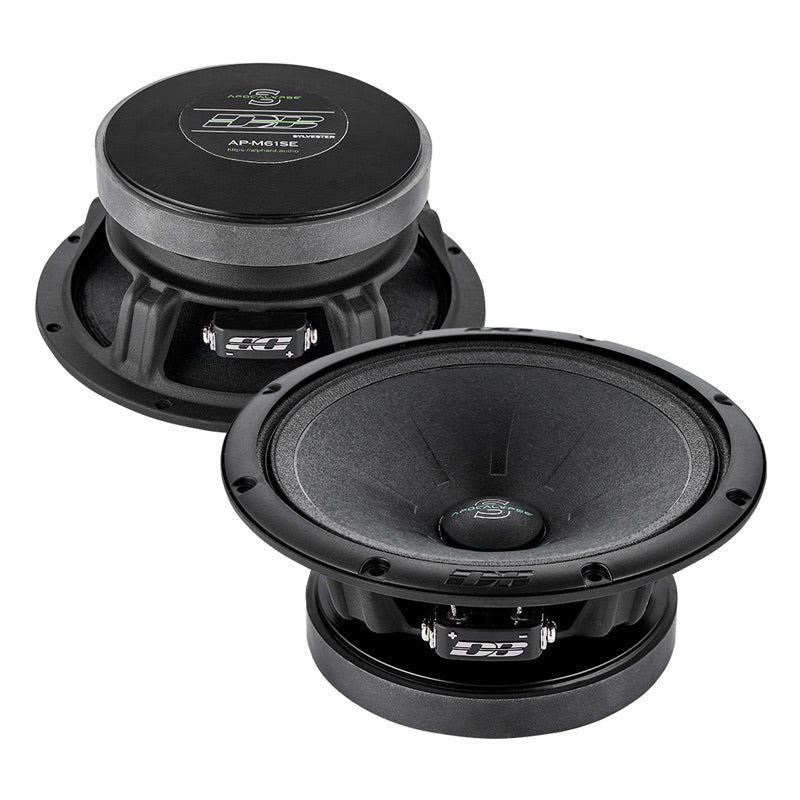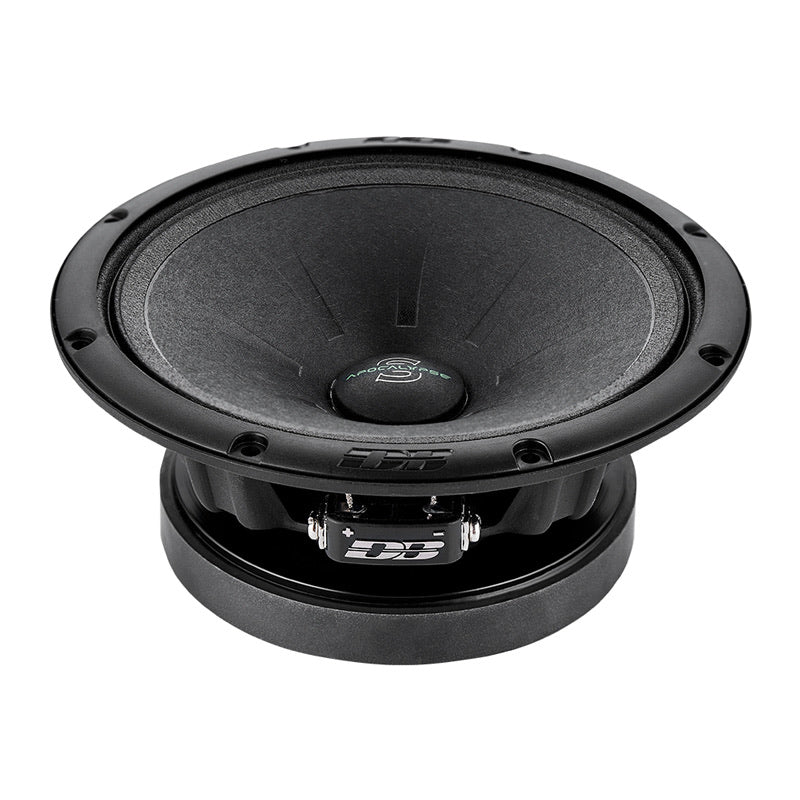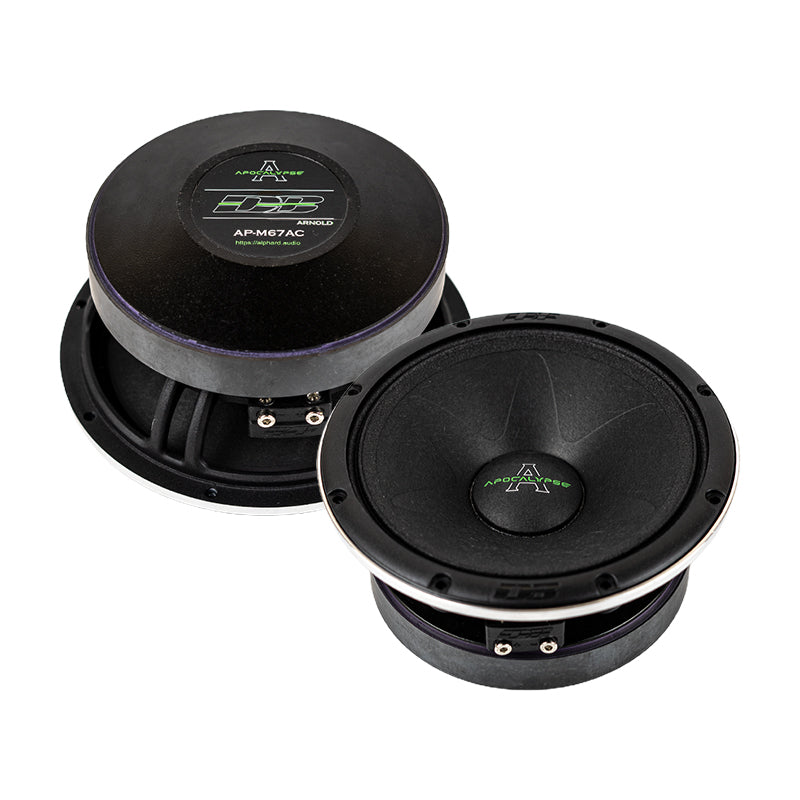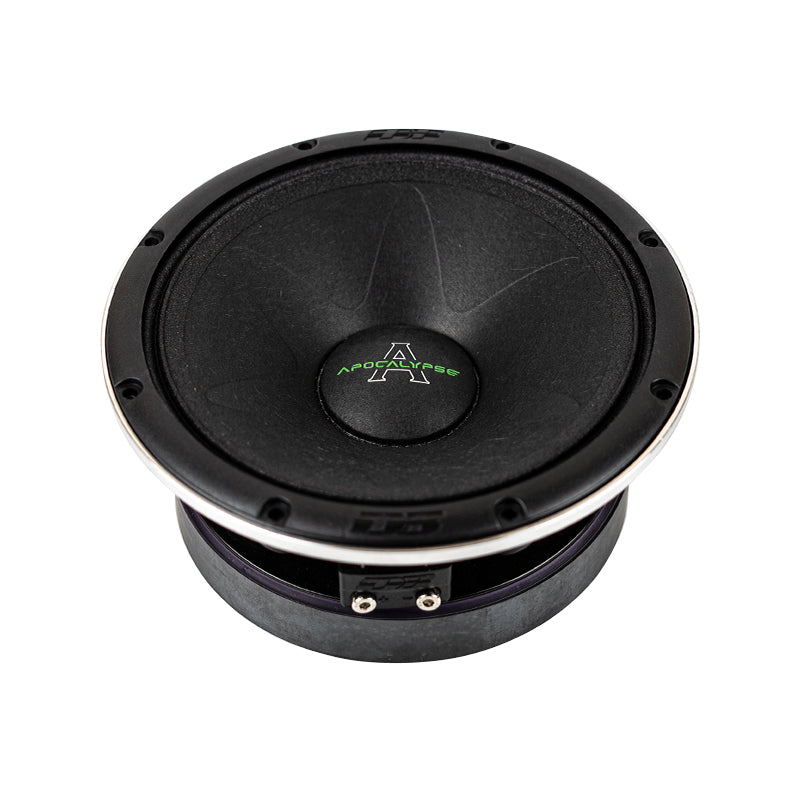

Choosing the right speaker type can completely change how a car audio system feels. Some setups sound clean but lack energy, while others feel powerful yet lose detail. This difference often comes down to how the midrange is handled. Arnold speakers and traditional midrange drivers approach this role in different ways, and understanding that difference helps in building a more refined system.
Both options aim to reproduce the most important part of music, but their design, output style, and behavior inside a car cabin can vary significantly.
Why the Midrange Matters So Much
Before comparing speaker types, it helps to understand why midrange performance is so critical. The midrange carries most of the information in music, including vocals, instruments, and tonal detail.

If this range is not handled properly, even strong bass and crisp highs cannot fix the overall sound. The system may feel incomplete, with vocals lacking presence or instruments sounding distant. This is why choosing between arnold speakers and a traditional midrange is not just a small upgrade decision. It shapes the entire listening experience.
What Are Arnold Speakers
Arnold speakers are typically designed with a focus on projection, clarity, and forward sound delivery. They are often built to deliver strong output in the midrange frequencies while maintaining detail at higher volumes.
Their design usually emphasizes:
- High sensitivity for louder output with less power
- Strong midrange presence
- Ability to cut through road noise
- Consistent performance at higher volume levels
This makes them popular in setups where clarity and projection are more important than a soft or relaxed sound signature.
What Defines a Traditional Midrange Speaker
A traditional midrange speaker is generally designed for balance and smooth integration within a full system. Instead of focusing on aggressive output, it aims to blend naturally with tweeters and woofers.
Key characteristics often include:
- Smooth and even frequency response
- Controlled output rather than aggressive projection
- Better tonal balance across different music types
- Easier integration in component systems
These speakers are often preferred in systems that aim for a natural and relaxed listening experience.
Core Difference in Sound Style
The biggest difference between arnold speakers and traditional midrange drivers lies in how they present sound.
Arnold speakers tend to sound more forward and energetic. Vocals feel closer, and instruments stand out more clearly. This can make music feel lively and engaging, especially in noisy driving conditions.
Traditional midrange speakers, on the other hand, offer a smoother and more laid-back presentation. Vocals blend naturally into the mix, and the overall sound feels more balanced rather than aggressive.
This difference in sound style plays a major role in system tuning and listener preference.
Output and Projection in Real Driving Conditions
Car interiors are not quiet environments. Road noise, engine vibration, and wind all compete with the audio system.
Arnold speakers often perform well in these conditions because of their strong projection. They can maintain clarity even when background noise increases. This makes them suitable for drivers who want consistent performance without increasing volume excessively.
Traditional midrange drivers may require more careful tuning or additional amplification to achieve the same level of presence in noisy conditions. However, they reward the listener with smoother sound when the environment is controlled.
Sound Clarity and Detail
Both speaker types can deliver good clarity, but they achieve it differently.
Arnold speakers rely on strong output and direct projection. This makes details easier to hear, especially in challenging environments. However, if not tuned properly, they can sound slightly aggressive.
Traditional midrange speakers focus on balance and tonal accuracy. They may not sound as loud or forward, but they often provide more natural detail and less listening fatigue over time.
The choice depends on whether the goal is immediate clarity or long-term listening comfort.
Integration With the Rest of the System
Speaker performance is not just about individual output. It also depends on how well the speaker integrates with the rest of the system. Arnold speakers can sometimes require more careful tuning to blend with tweeters and subwoofers. Their strong presence can dominate the mix if not balanced properly. Traditional midrange drivers are usually easier to integrate. Their smoother response allows them to connect naturally with other components, creating a more unified soundstage.
Proper crossover settings and EQ adjustments are important in both cases, but especially when using more aggressive speaker types.
Power Handling and Efficiency
Arnold speakers are often designed with higher sensitivity, meaning they can produce more output with less power. This makes them efficient and capable of playing louder without needing large amplifiers.
Traditional midrange speakers may require more power to reach similar output levels, but they often provide better control and consistency when driven correctly.
Choosing between them depends on system goals and available amplification.
Which One Is Better for a Car Audio Upgrade
There is no single answer because it depends on listening preferences and system design.
Arnold speakers are a strong choice for:
- Drivers who want loud and clear vocals
- Systems that need to cut through road noise
- High-energy music styles
- Setups focused on projection and presence
Traditional midrange speakers are better suited for:
- Balanced and natural sound systems
- Long listening sessions with minimal fatigue
- Smooth integration with other drivers
- Listeners who prefer refined audio quality
Understanding these differences helps in making a more informed car audio upgrade decision.
Common Mistakes When Choosing Between Them
Many users choose speakers based only on loudness or brand reputation. This can lead to mismatched systems that do not perform well.
Some common mistakes include:
- Ignoring system balance when adding high-output speakers
- Not adjusting crossover settings after installation
- Overpowering speakers without proper tuning
- Expecting one speaker type to fit all listening styles
Avoiding these issues ensures better performance regardless of the speaker type chosen.
Building the Right System Around Your Choice
No matter which option is selected, the rest of the system must support it. Amplifier quality, wiring, speaker placement, and tuning all influence the final result.
A well-planned setup ensures that:
- Speakers receive clean and stable power
- Frequencies are properly divided
- Sound remains balanced across the system
- Listening comfort is maintained
When everything works together, both arnold speakers and traditional midrange drivers can deliver excellent results.
Understanding the Real Difference
The difference between arnold speakers and traditional midrange drivers is not just technical. It is about how sound is delivered and experienced. One focuses on energy and projection, while the other emphasizes smoothness and balance.
Choosing the right option depends on how the system is used, the type of music played, and personal listening preferences. When matched correctly with the rest of the setup, either choice can elevate the overall sound quality and create a more enjoyable driving experience.