
Fresh car speakers often sound tighter, brighter, or slightly stiff during the first few listening sessions. Many drivers expect instant perfection after installation, but speakers are mechanical devices that require a short settling period before they perform at their full potential. Understanding how speakers break in works helps avoid unnecessary adjustments, protects new equipment, and improves sound naturally over time.
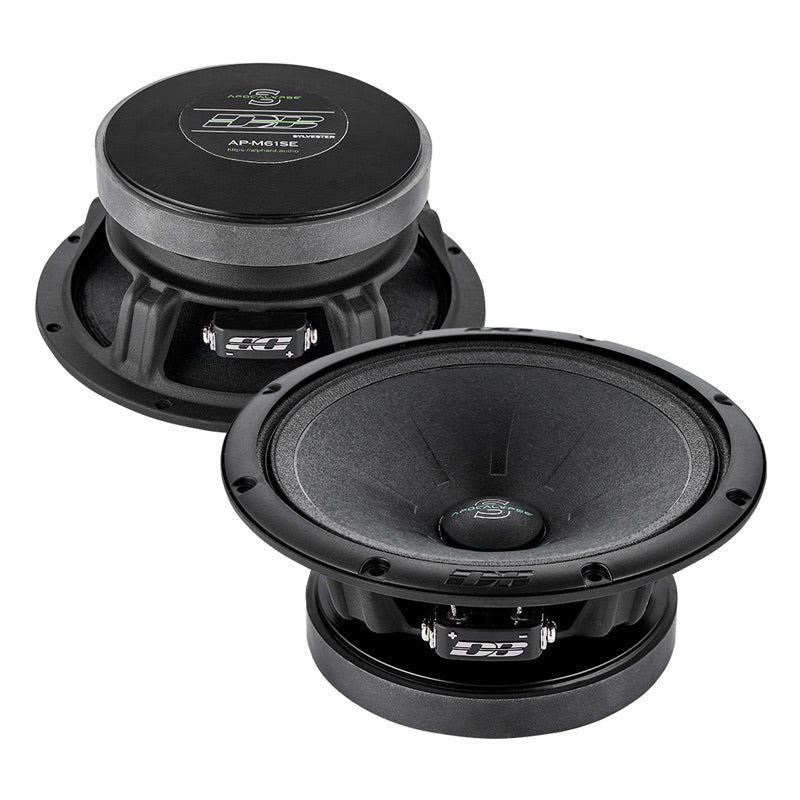
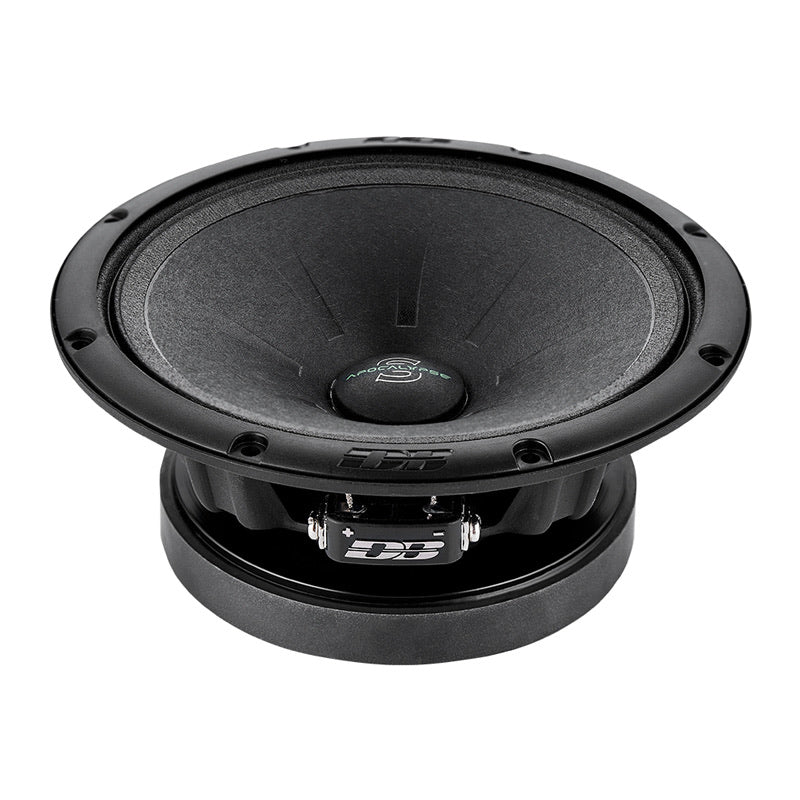
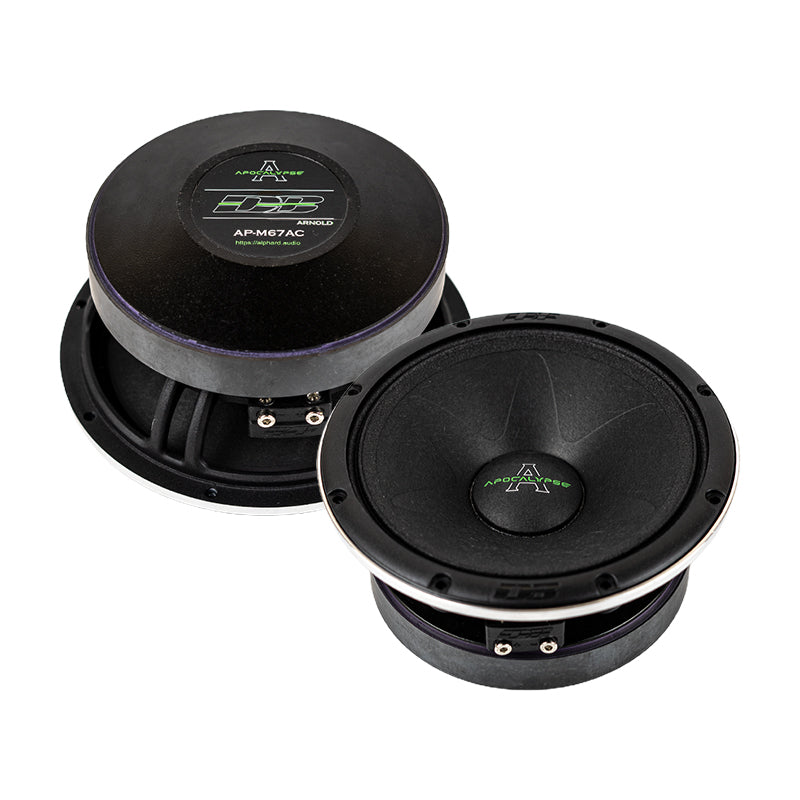
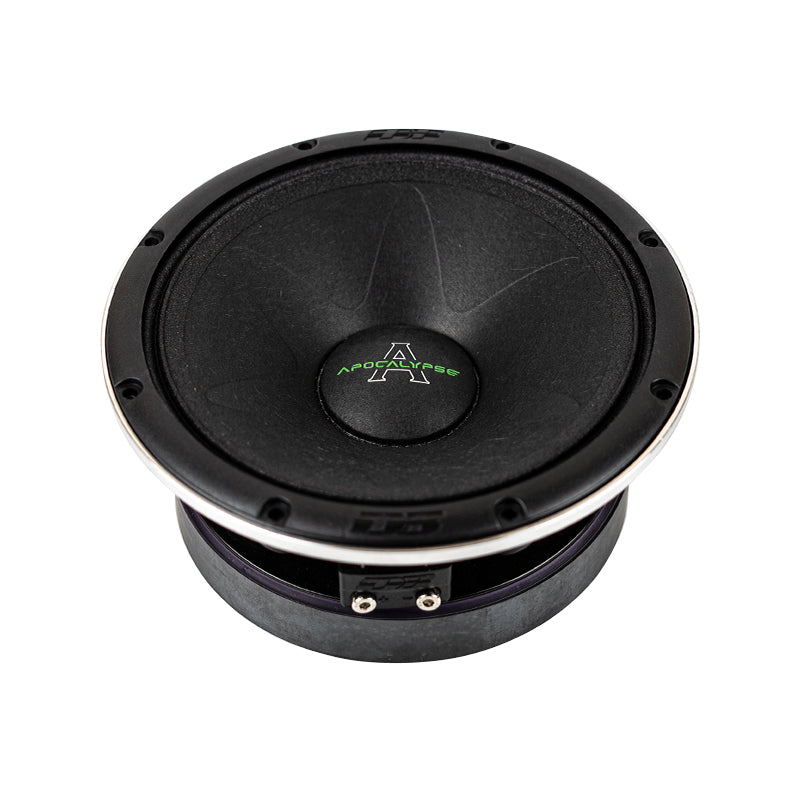
Speaker components such as the surround, spider, and cone gradually loosen with normal movement. As these parts become more flexible, the speaker begins to reproduce frequencies more smoothly and with greater control. This settling process is normal for most new drivers, especially aftermarket car speakers designed for higher performance.
Why New Speakers Sound Different at First
Every speaker contains moving parts that respond to electrical signals. When a speaker is brand new, these parts are slightly stiff due to fresh materials and manufacturing tension. This stiffness affects how the cone moves, which can influence bass depth, midrange smoothness, and overall balance.
During early playback, the suspension components slowly relax as they move repeatedly. The spider becomes more compliant, and the surround allows the cone to travel more freely. As this happens, the speaker can reproduce sound with greater accuracy and improved low frequency extension.
Many listeners notice this change gradually. What initially sounds tight or slightly sharp becomes smoother and more natural after several hours of normal listening.
Do Speakers Need to Break In
The idea of a speaker break in period often sparks debate among enthusiasts. Some consider it essential, while others believe the effect is minimal. In practice, most speakers experience some level of mechanical settling during their early hours of use.
Laboratory measurements of speaker drivers often show small changes in compliance and resonance after the first several hours of operation. These changes affect how the driver responds to certain frequencies, particularly in the lower range.
While the difference may not transform the sound completely, it can refine the overall presentation. Bass response often becomes fuller, and the midrange may sound less rigid after the suspension loosens slightly.
Understanding the Burn In Myth
The term burn in sometimes creates confusion. It suggests a dramatic transformation or a requirement for extreme procedures. In reality, speaker settling is simply the result of normal mechanical movement.
Running speakers at excessive volume or using harsh test tones does not accelerate the process safely. In fact, aggressive methods can damage voice coils or stress new components before they are ready for heavy use.
Most professional installers agree that gradual, moderate playback is the safest approach. The burn in myth often comes from exaggerated expectations rather than real acoustic science.
What Actually Changes During Speaker Settling
Speaker settling primarily affects the suspension system that controls cone movement. This includes the spider located behind the cone and the outer surround that connects the cone to the frame.
As these materials flex repeatedly, their stiffness decreases slightly. This change allows the cone to move more easily, which can improve low frequency response and smooth the transition between bass and midrange.
The voice coil, magnet, and frame remain largely unchanged. The process is focused on mechanical flexibility rather than electrical components.
Signs Your Speakers Are Settling Properly
Drivers going through a normal break in process often show subtle improvements rather than dramatic shifts. The following changes are common during the first days of listening.
-
Bass becomes deeper and more controlled
-
High frequencies sound smoother and less sharp
-
Vocals gain clarity and natural tone
-
Volume can increase slightly without strain
These changes typically happen gradually over several hours of playback.
Safe Speaker Break In Tips
Rushing the break in process rarely produces better results. A slow and steady approach protects the speaker while allowing its components to adapt naturally.

Start with moderate listening levels. Music with a wide frequency range helps move the cone through different motion patterns. This variety encourages even settling across the suspension.
Avoid extremely loud playback during the first few hours. Excessive power can overheat the voice coil before the suspension loosens fully.
Patience during this early stage rewards listeners with better long term performance.
How to Break In Car Speakers Step by Step
A simple routine helps speed up the process safely while protecting the system.
-
Play music at normal listening volume for the first few hours.
-
Use varied music genres that include bass, vocals, and instruments.
-
Increase volume gradually after several hours of playback.
-
Allow cooling periods between longer listening sessions.
-
Avoid heavy bass boosting during the early stages.
This method ensures that all parts of the speaker move naturally without unnecessary stress.
Why Music Choice Matters During Break In
Different music styles activate different frequency ranges. Songs with balanced instrumentation encourage full cone movement and help settle the suspension evenly.
Tracks with steady bass lines help loosen the spider and surround. Acoustic recordings emphasize midrange clarity, while cymbals and strings engage high frequency response.
Using diverse music prevents the speaker from adapting only to a narrow frequency range during its early hours.
How Long the Break In Period Usually Lasts
Most car speakers reach their stable performance range within twenty to forty hours of moderate use. Some high performance drivers may take slightly longer depending on their suspension design.
The change is gradual and may not be noticeable from one day to the next. However, listeners often realize the improvement when comparing the sound after several weeks of regular driving.
Consistent listening naturally completes the process without special equipment.
Common Mistakes That Can Damage New Speakers
Many problems blamed on break in issues actually result from poor installation or incorrect system settings. Avoiding these mistakes protects speakers during their early use.
Running the system at maximum volume immediately after installation can stress components. Excessive bass boost or aggressive equalizer settings may also push the speaker beyond its limits.
Loose wiring or unstable mounting surfaces can create vibration and distortion that mask the natural settling process.
Ensuring the system is properly installed allows speakers to break in without unnecessary strain.
How Break In Affects Different Types of Car Speakers
Not all speakers respond identically during break in. Subwoofers often show the most noticeable change because their large suspension systems loosen slightly with movement.
Midrange drivers may exhibit subtle improvements in warmth and smoothness. Tweeters typically change very little because their moving parts are extremely small.
Understanding these differences helps set realistic expectations for the break in process.
Why Proper Installation Still Matters Most
Even perfectly broken-in speakers cannot perform well if installation conditions are poor. Secure mounting, proper wiring, and balanced system tuning influence sound quality more than break in alone.
Many enthusiasts upgrade speakers expecting instant transformation, only to discover that placement or tuning limits their performance. Addressing these factors ensures the break in period leads to genuine improvement.
Systems built with solid foundations allow new speakers to reach their full potential more easily.
Enjoying the Improvement Over Time
Speaker break in is not about chasing dramatic changes. It is about allowing mechanical components to settle naturally so the system can operate smoothly. As hours of listening accumulate, the sound becomes more balanced and controlled.
Drivers who follow safe break-in routines often notice richer bass, clearer vocals, and a more relaxed overall presentation. These improvements come from patience rather than extreme adjustments.
A well installed speaker system continues to improve gradually as it becomes part of daily driving. The process rewards listeners with better sound while protecting the investment in quality audio equipment.