
Car audio upgrades often start with a simple question: what type of speaker layout will deliver the kind of sound you actually want every day on the road? For many drivers, the decision comes down to choosing between full-range speakers and midrange speakers. Each plays a different role in shaping the soundstage, and understanding those differences helps you avoid mismatched tones, weak vocals, or unbalanced highs and lows.
Some setups require broad, all-in-one performance, while others demand focused clarity right in the heart of the music. The right choice depends on how serious you are about accuracy, how loud you like to listen, and what your system includes beyond the doors.
Exploring Full-Range Speakers
Full-range speakers are designed to cover as much of the audible spectrum as possible from a single driver. They typically include a woofer for mids and mid-bass, paired with a built-in tweeter to handle higher frequencies. Because everything is built into one housing, they’re easy to install and often serve as direct replacements for factory speakers.
Drivers who want a noticeable upgrade without extra wiring, crossovers, or additional components appreciate the simplicity. A good full-range speaker can improve vocal presence, restore missing details, and provide a cleaner, more spacious sound compared to stock equipment. Many modern models also feature improved cone materials, better heat management, and higher sensitivity, allowing stronger output even with limited power.
That makes them useful in systems powered by a factory head unit or low-power amplifier. They offer a well-balanced sound without requiring specialized tuning knowledge, making them ideal for daily listening.
Midrange Speakers Explained
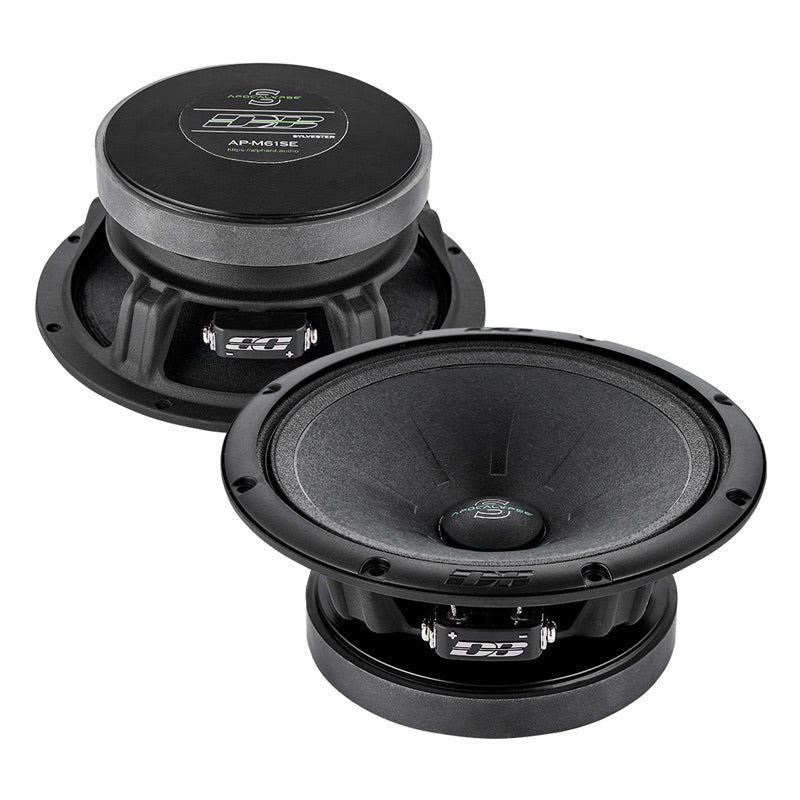
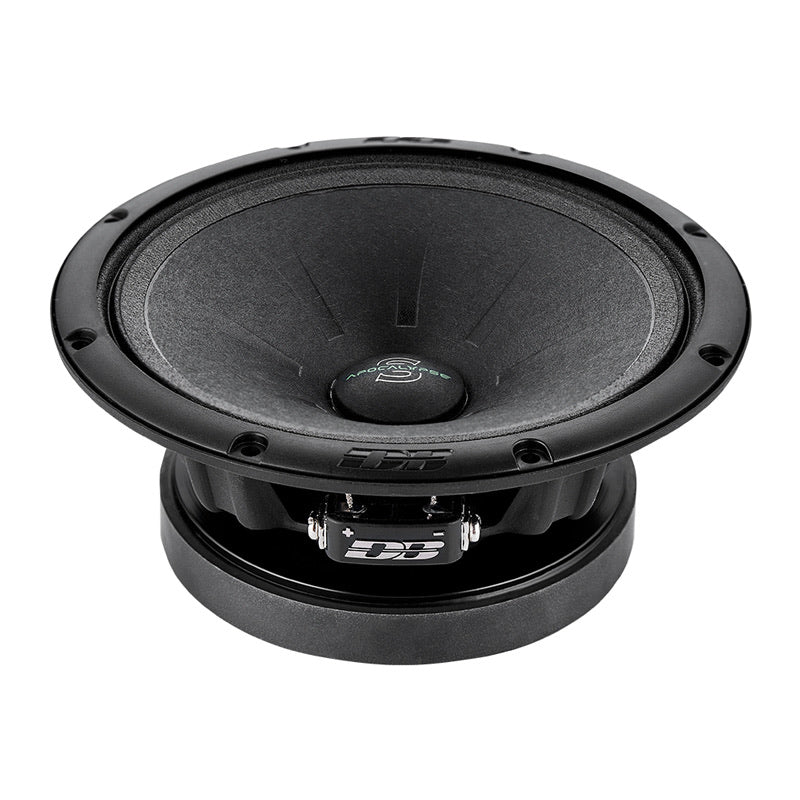
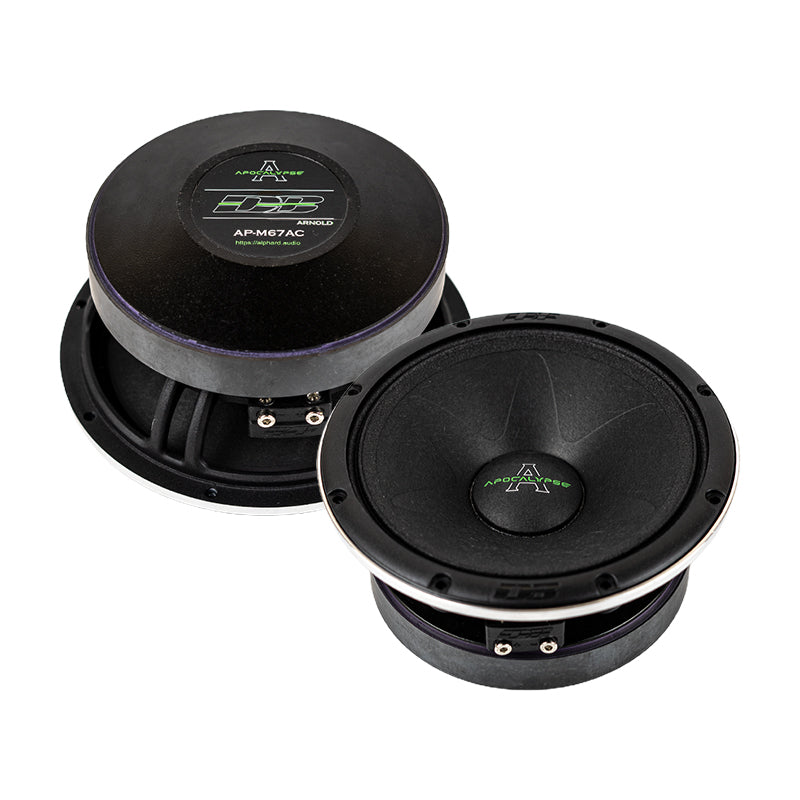
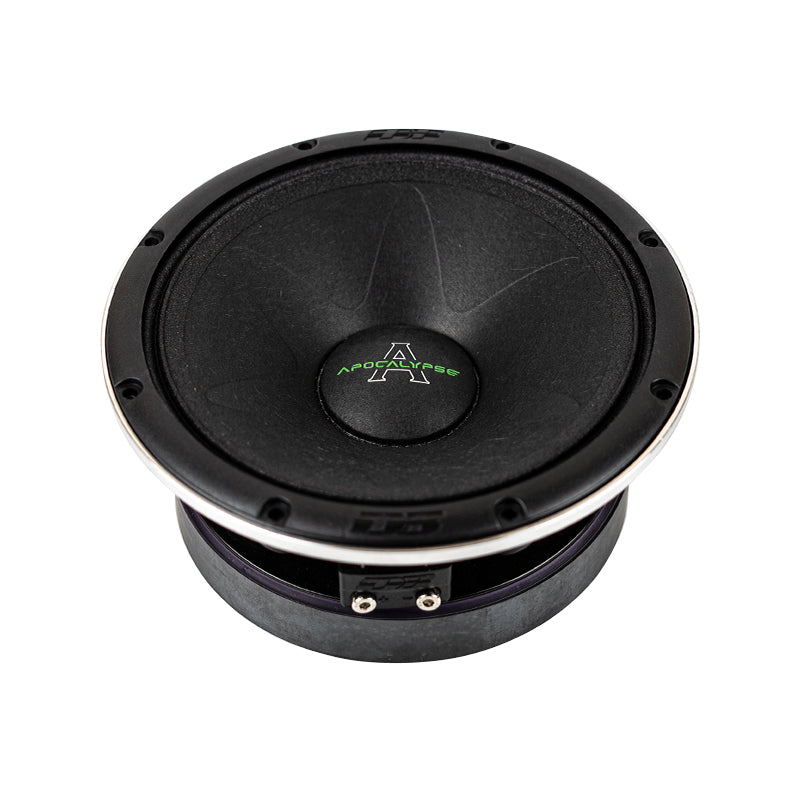
Midrange speakers focus solely on reproducing the frequencies where most instruments and vocals live—typically between 300 Hz and 5 kHz. Unlike full-range speakers, they don’t handle deep bass or shimmering highs. Instead, they specialize in the part of the audio spectrum that determines realism, clarity, and tonal accuracy.
Because they don’t split their workload across different frequencies, midrange drivers tend to produce punchier, cleaner detail in the core of the music. This is why they’re used in more advanced component systems, where each type of driver has a dedicated job: subwoofer for bass, tweeter for highs, and midrange speakers for everything in between.
Music enthusiasts who want stronger vocal projection, richer instrument texture, and high-volume stability often lean toward midrange setups. When paired with a good crossover and amplifier, midrange speakers help create a more professional, layered soundstage.
Comparing Full-Range vs. Midrange Speakers
Choosing between these speaker types depends on your goals, your system, and how much customization you want. Below is a clear comparison to help you evaluate both options logically.
Key Differences
|
Feature |
Full-Range Speakers |
Midrange Speakers |
|---|---|---|
|
Audio Coverage |
Wide, all-in-one |
Focused on crucial vocal + instrument band |
|
Installation |
Simple |
Requires crossovers + matching tweeters/sub |
|
Sound Quality |
Good overall balance |
Superior clarity and detail in mid frequencies |
|
System Type |
Ideal for single-speaker replacements |
Best for multi-speaker component setups |
|
Power Needs |
Works well with lower wattage |
Performs best with an amplifier |
|
Best For |
Quick upgrades, daily clarity |
High-fidelity systems, louder listening |
This speaker type comparison shows that full-range models simplify installation, while midrange speakers offer more control and accuracy when building a layered system.
Benefits of Choosing Full-Range Speakers
Full-range speakers are a smart choice when you want better sound quickly without adding separate tweeters or crossovers. They provide a complete frequency package that fits right into most factory slots. Their biggest advantages include:
-
Balanced sound in a single unit: No need to worry about matching driver sizes or crossover points.
-
Improved efficiency: Many models deliver strong volume even with limited power from factory radios.
-
Space-saving design: Ideal for compact vehicles where component setups are difficult to fit.
-
Budget-friendly upgrades: You improve clarity and tone without buying multiple drivers.
They are especially useful for car owners looking for a modest, reliable improvement that enhances everyday music without the complexity of a full custom system.
Benefits of Choosing Midrange Speakers
Midrange speakers shine when accuracy matters more than convenience. They excel in systems where each frequency band is handled by a driver designed specifically for it. Their key strengths include:
-
Superior vocal clarity: Spoken word, singers, guitars, and pianos sound more natural and lifelike.
-
Cleaner output at higher volumes: With fewer responsibilities than full-range speakers, they distort less.
-
Customizable soundstage: You can pair them with the best tweeters and subwoofers for your preferences.
-
Better performance with DSP and tuning: Midrange drivers respond exceptionally well to crossover adjustments and amplifier power.
Anyone chasing a more pronounced, professional sound often chooses midrange speakers as the backbone of their front stage.
Which Setup Suits Your Vehicle Best?
The best choice between full-range vs midrange depends on your system goals:
Choose Full-Range If:
-
You want a simple, direct upgrade from stock speakers.
-
Your vehicle uses a factory head unit without external amplification.
-
You prefer balanced sound without detailed tuning.
-
Space is limited and you want a clean, straightforward replacement.
Choose Midrange If:
-
You are building or planning a full component system.
-
Sound quality, loudness, and clarity are your top priorities.
-
You already have or plan to add an amplifier for proper power delivery.
-
You want to customize your soundstage with DSP or advanced tuning.
Both options can produce excellent sound, but they serve different levels of commitment. Full-range speakers prioritize convenience, while midrange speakers focus on precision.
Choosing the Right Speakers for Your Build
Whether you're starting small or designing a full system, matching your speakers to your existing equipment matters. Systems with dedicated woofers and tweeters benefit greatly from midrange speakers that lock in the heart of the audio spectrum. Meanwhile, simpler builds thrive with full-range drivers offering a wide, satisfying frequency range.
For those exploring speaker upgrades, the selection available at Elite Auto Gear offers a wide range of component midrange drivers, coaxial full-range speakers, and installation accessories for different stages of a build. Matching power ratings, sensitivity, and crossover points ensures your upgrade performs at its full potential.
Final Comparison for Real-World Use
Full-range speakers offer a convenient, well-rounded approach to improving your car’s audio quickly. They’re easy, adaptable, and reliable for most daily listening needs. Midrange speakers, on the other hand, elevate the experience for those who want clarity, separation, and more professional-level performance.
When the rest of your system supports it, midrange speakers can transform how you hear vocals and instruments, while full-range speakers remain the best plug-and-play solution for everyday improvement.