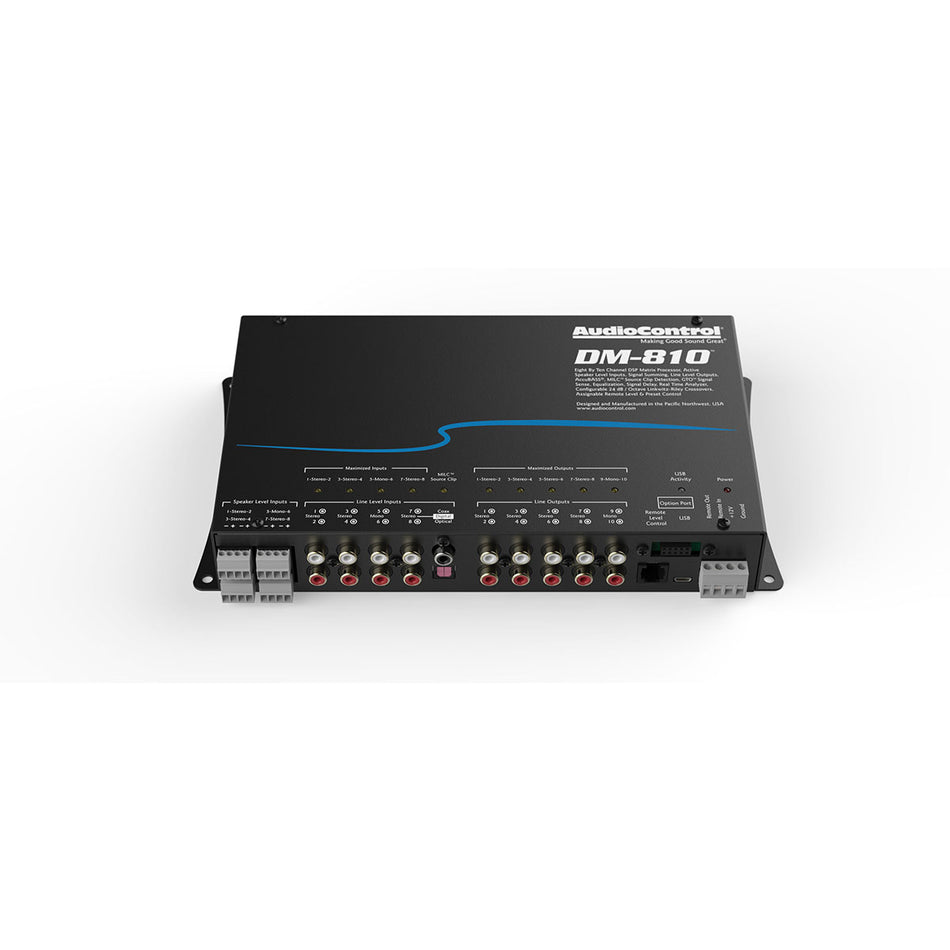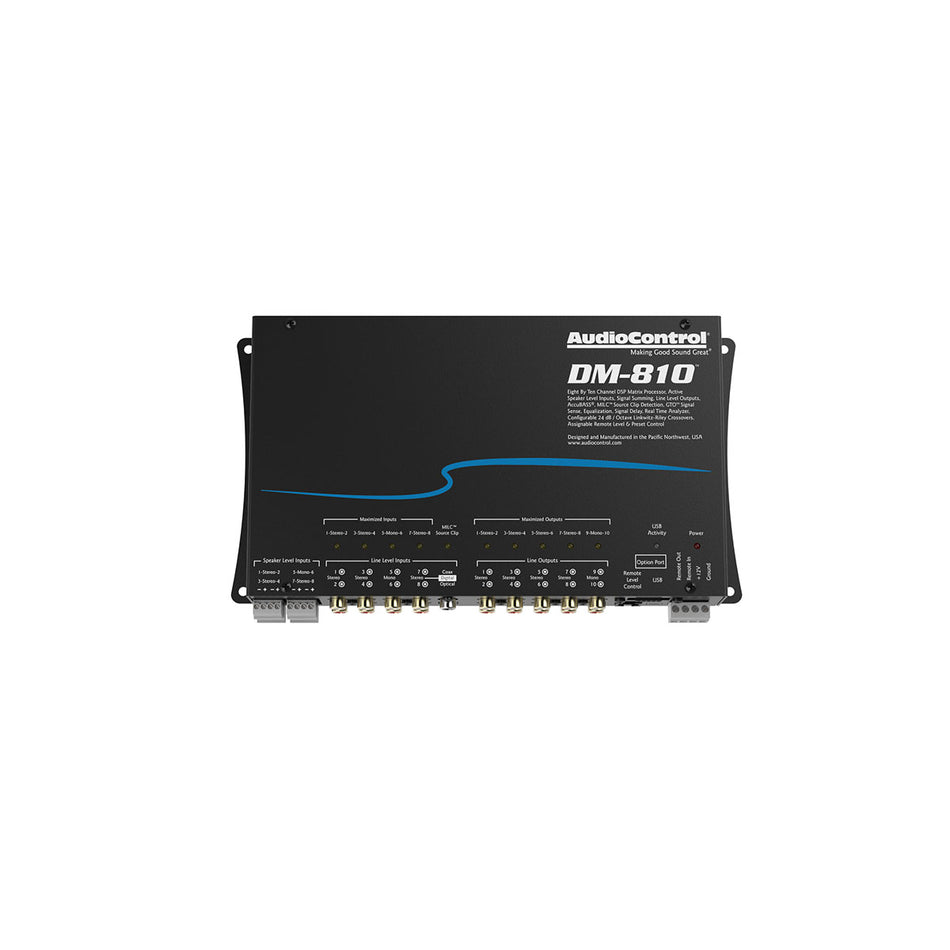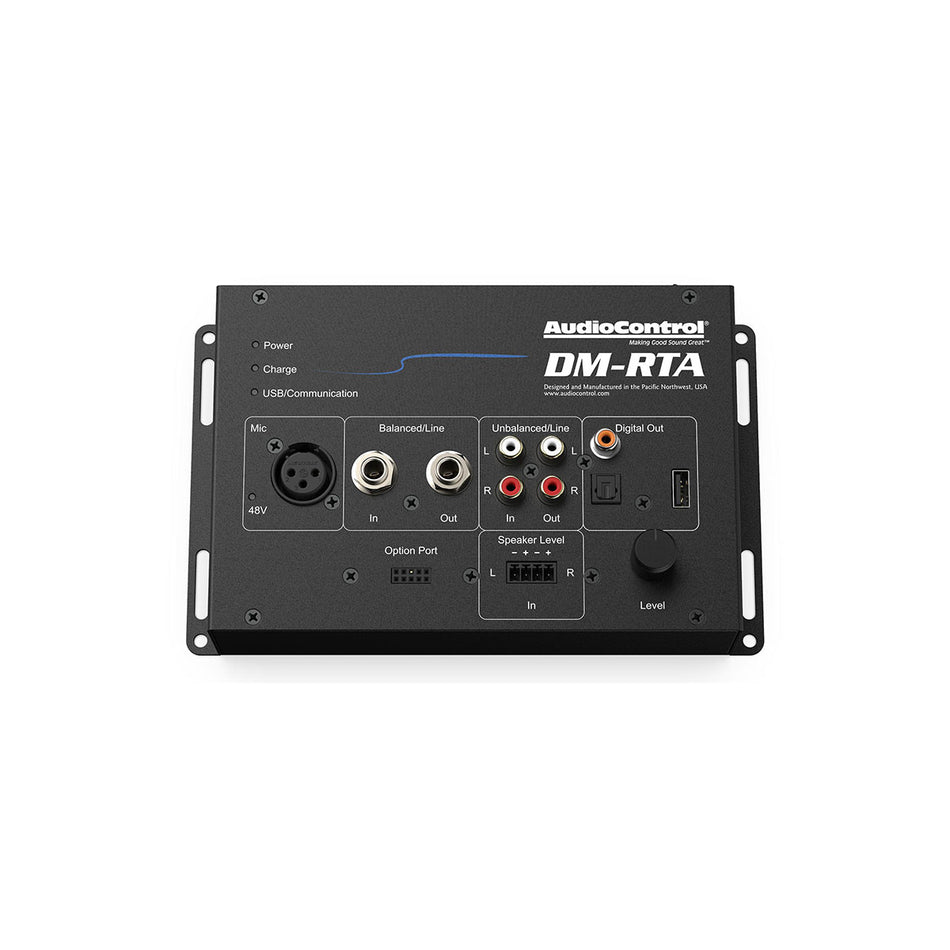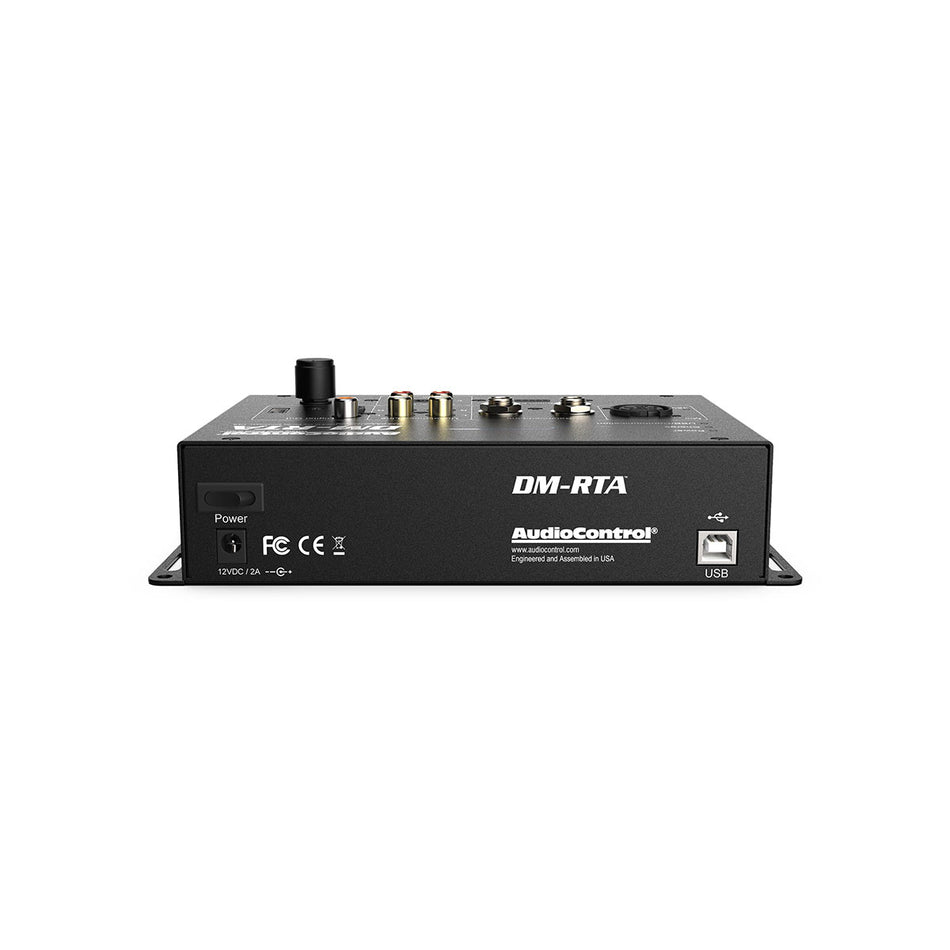

Achieving crystal-clear sound and perfectly balanced audio in your car doesn’t have to be a challenge. Modern car audio enthusiasts are increasingly turning to audio control processors to unlock the full potential of their sound systems. These devices act as the central hub for managing audio signals, allowing every component—from tweeters to subwoofers—to perform at its best. By carefully adjusting frequencies, levels, and crossovers, audio control processors transform an ordinary car stereo into a high-fidelity listening experience.
Understanding Audio Control Processors
At their core, audio control processors (sometimes referred to as DSPs or signal processors) manage the flow of audio signals in your car. Unlike basic head units, which send the same signal to all speakers, a processor can split the audio into specific channels, apply equalization, and fine-tune timing delays. This level of control ensures that each speaker reproduces sound accurately, reducing distortion and enhancing clarity.
Key benefits of using an audio control processor include:
- Precision equalization: Adjust individual frequency bands to match your car’s acoustics.
- Crossover management: Direct low, mid, and high frequencies to the appropriate speakers.
- Time alignment: Compensate for speaker placement differences to achieve perfect imaging.
- Noise reduction: Eliminate unwanted interference for cleaner sound.
Why Your Car Needs One
Most factory car audio systems are designed for cost efficiency, not audio precision. Speakers are often poorly positioned, amplifiers are underpowered, and frequencies overlap, leading to muddled sound. Audio control processors allow you to overcome these limitations by providing a platform to optimize every element in your setup. Whether you’re running a multi-speaker system or a simple two-channel setup, a processor can dramatically improve tonal balance and dynamic range.
Key Features to Look For
When selecting an audio control processor, consider the following features to ensure maximum performance:
- Number of Channels: Processors range from 4-channel to 12-channel units. More channels offer greater flexibility, especially for complex systems with multiple speakers and subwoofers.
- Built-in Equalizers: Look for processors with parametric or graphic equalizers that allow fine adjustments across the frequency spectrum.
- Crossover Flexibility: Adjustable crossovers let you control which frequencies reach each speaker, improving clarity and preventing distortion.
- Time Alignment: High-end processors include delay settings to synchronize sound arrival from all speakers, creating a natural soundstage.
- Compatibility: Ensure the processor integrates with your existing head unit, amplifiers, and speaker setup.
|
Feature |
Benefit |
|
Multi-channel processing |
Full control over each speaker |
|
Parametric equalizer |
Precise frequency adjustments |
|
Cleaner separation of highs, mids, and lows |
|
|
Time alignment |
Accurate imaging and staging |
|
Compatibility |
Seamless integration with your system |
Setting Up Your Processor for Maximum Performance
Installing and configuring an audio control processor can seem daunting, but the results are worth the effort. Start by identifying your speakers and their frequency ranges. Assign crossovers to each speaker based on its capability—high-pass for tweeters, low-pass for subwoofers, and band-pass for midrange drivers. Then, use the equalizer to flatten peaks and fill dips in your car’s natural acoustics.
Time alignment is critical. Sound reaches your ears from each speaker at slightly different times due to placement. Processors allow you to delay signals to certain speakers, so the audio arrives in sync, creating a cohesive soundstage. Once these adjustments are complete, fine-tune volume levels for a balanced output that doesn’t strain any component.
Advanced Techniques for Audiophiles
For enthusiasts aiming for perfection, there are several advanced techniques that can elevate your car audio:
- Room Correction: Some processors offer automatic acoustic calibration to analyze your car’s interior and adjust the audio accordingly.
- Subwoofer Tuning: Set crossover points and phase adjustments to blend subwoofers seamlessly with main speakers.
- Multi-band Compression: Maintain consistent volume levels across different tracks, preventing sudden spikes or dips.
- Digital Integration: Modern processors can interface with smartphone apps, allowing remote adjustments and custom profiles for different music genres.
Choosing the Right Processor for Your System
Not all processors are created equal. Your choice depends on your system size, desired sound quality, and budget. For compact setups, a 4–6 channel processor may suffice, while high-end multi-speaker systems benefit from 8–12 channel units with advanced equalization and time alignment. Reputable brands often include built-in software for easier configuration, while premium models support real-time tuning and mobile integration.


It’s also worth considering expandability. Even if your current system is simple, investing in a processor with extra channels ensures you can upgrade later without replacing the processor itself.

Enhancing Every Aspect of Car Audio
Audio control processors are not just for audiophiles—they benefit anyone looking for a superior listening experience. From crisp vocals to deep, tight bass, these devices allow every speaker to shine. They also reduce distortion at higher volumes, improve stereo imaging, and create a sense of depth and space in your car’s cabin.
For those integrating amplifiers, subwoofers, or aftermarket speakers, processors ensure all components work in harmony. By controlling signal flow, frequencies, and timing, your car’s audio system delivers a professional-grade performance that factory setups simply cannot match.