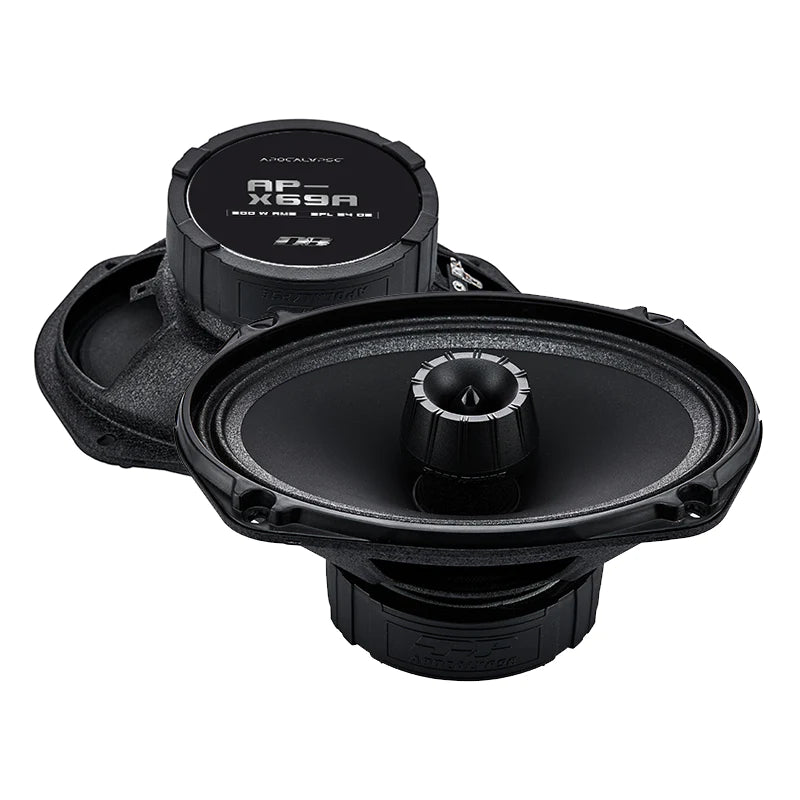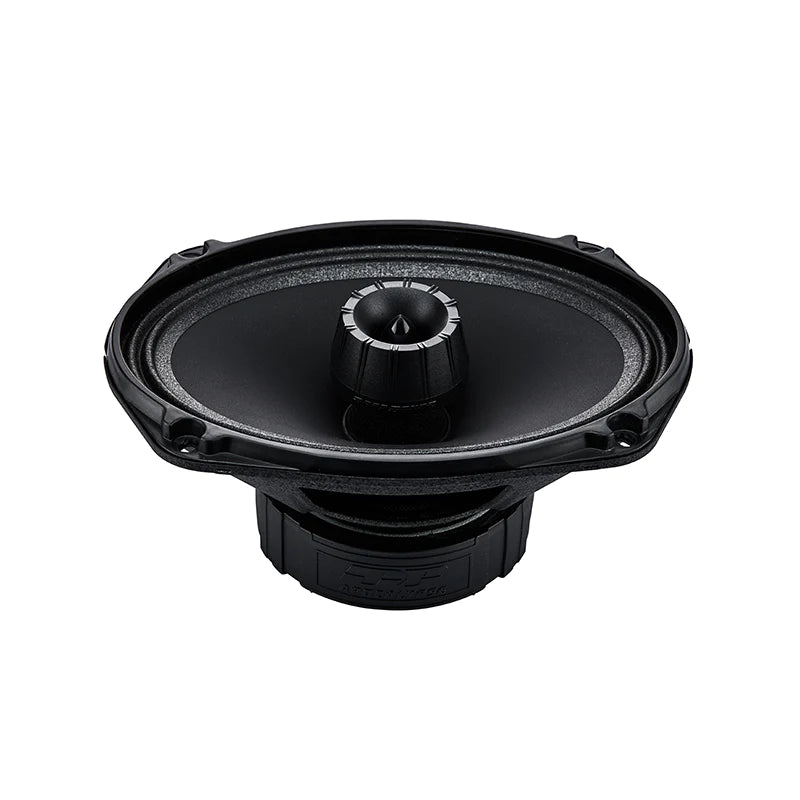

Not all vehicles sound the same, even with identical audio equipment. Cabin size, interior materials, speaker placement, and cargo layout all influence how sound behaves. That’s why a setup that works perfectly in a sedan may feel weak in an SUV or unbalanced in a truck. Choosing the right car audio by vehicle type leads to cleaner sound, better bass response, and fewer tuning issues over time.
Understanding how audio interacts with different vehicle designs helps build a system that feels intentional rather than forced.
Why Vehicle Type Changes Audio Performance
Every vehicle creates a unique acoustic environment. Smaller cabins amplify certain frequencies, while larger spaces absorb sound differently. Seat height, glass area, and panel materials also shape how audio travels.
Key factors that vary by vehicle include:
-
Cabin volume and shape
-
Speaker mounting locations
-
Distance between listeners and speakers
-
Trunk or bed separation
A vehicle-specific audio approach accounts for these differences instead of relying on generic setups.
Ideal Audio Setup for Sedans
Sedans offer one of the most balanced environments for car audio. The enclosed trunk helps reinforce bass, while the cabin size supports accurate midrange and highs.
Speaker Layout for Sedans
A typical sedan speaker layout works best with:
-
Component speakers in front doors
-
Coaxial speakers in the rear deck or doors
-
Tweeters positioned near ear level
Front-focused soundstage tuning improves clarity and imaging, making vocals feel centered and natural.
Subwoofer Placement
Trunk-mounted subwoofers benefit from cabin gain in sedans. Sealed enclosures provide tight, controlled bass, while ported designs suit listeners who prefer more output without overpowering the mids.
Amplification Considerations
Moderate power goes a long way in sedans. Clean amplification improves detail without needing extreme wattage, making balance easier to achieve.
Ideal Audio Setup for SUVs
SUVs present different challenges due to larger cabin volume and open cargo areas. Bass energy disperses more quickly, requiring thoughtful design.
Speaker Configuration
An effective SUV audio setup often includes:
-
High-quality front component speakers
-
Rear fill speakers tuned lower than the front
-
Optional third-row or tailgate speakers if factory locations exist
Maintaining a forward soundstage prevents audio from feeling scattered.
Subwoofer Strategy
Because SUVs lack a sealed trunk, bass needs more support. Larger subwoofers or dual-driver enclosures help fill the space without strain. Placement near the rear hatch usually delivers the best low-frequency response.
Sound Treatment
Adding sound deadening in doors and cargo panels reduces resonance and improves bass impact. This step is especially valuable in SUVs with plastic interior panels.
Ideal Audio Setup for Trucks
Trucks have unique layouts, especially extended and crew cab models. Limited cabin space and rear-seat constraints affect speaker and subwoofer choices.
Speaker Placement in Trucks
A solid truck sound system focuses on:
-
Strong front door speakers
-
Dash or pillar-mounted tweeters
-
Minimal rear speaker reliance
Front-heavy tuning keeps sound anchored near the driver and passenger.
Subwoofer Solutions
Space is the biggest limitation in trucks. Under-seat enclosures and shallow-mount subwoofers are popular options. While output may be lower than large SUV setups, proper tuning delivers clean, punchy bass.
Vibration Control
Truck cabins experience more vibration from the road and drivetrain. Reinforced mounting and sound treatment help maintain clarity and reduce rattles over time.
Comparing Audio Needs by Vehicle Type
|
Vehicle Type |
Cabin Size |
Bass Needs |
Speaker Focus |
|
Sedan |
Compact |
Moderate |
Front imaging |
|
SUV |
Large |
High |
Even distribution |
|
Truck |
Compact/Segmented |
Controlled |
Front clarity |
This car audio by vehicle type comparison highlights why one-size-fits-all systems rarely perform at their best.
Tuning Differences Between SUVs, Sedans, and Trucks
Tuning should always match the vehicle’s acoustics.
General guidelines:
-
Sedans benefit from flatter EQ curves
-
SUVs often need bass reinforcement and midrange control
-
Trucks require careful gain setting to avoid distortion
Crossover points, EQ adjustments, and subwoofer phase settings all change depending on cabin design.
Factory Integration Considerations
Modern vehicles rely heavily on factory infotainment systems. Integration methods vary by vehicle type.
-
Sedans often allow straightforward signal access
-
SUVs may require signal summing due to multiple factory speakers
-
Trucks sometimes limit subwoofer integration without proper converters
Planning factory integration early avoids compromises during installation.
Balancing Performance and Practical Use
Daily driving habits matter as much as vehicle design. Long commutes, off-road use, and family travel all influence system priorities.
For example:
-
Sedans favor clarity and efficiency
-
SUVs prioritize full-range coverage and bass depth
-
Trucks benefit from durability and vibration resistance
Matching system goals with vehicle use ensures long-term satisfaction.
When Vehicle-Specific Components Matter
Using equipment designed for your vehicle type improves results. Shallow subwoofers, compact amplifiers, and vehicle-matched speaker sizes reduce installation challenges and improve performance.
Well-matched speakers, amplifiers, subwoofers, and installation accessories from Elite Auto Gear help tailor systems to SUVs, sedans, and trucks without unnecessary complexity.
Car audio sounds best when it works with the vehicle, not against it. By understanding how sedans, SUVs, and trucks handle sound differently, it becomes easier to design a setup that delivers balanced, immersive audio every time you drive. A thoughtful, vehicle-specific audio approach turns any ride into a better listening experience.