
A car audio system that sounds impressive for a few minutes is not always enjoyable over a long commute. Many setups focus on loudness or heavy bass, but daily driving requires a different approach. Smooth, balanced sound reduces fatigue, keeps music enjoyable, and allows you to listen for hours without discomfort.
A well-designed daily drive audio system focuses on clarity, balance, and comfort rather than extreme output. When everything is tuned correctly, music feels natural, vocals remain clear, and no frequency becomes tiring over time.
What Makes a System Comfortable for Long Drives
Listening comfort depends on how evenly sound is distributed across frequencies and how naturally it reaches the listener. Harsh treble, overpowering bass, or uneven midrange can quickly lead to fatigue.
A smooth system avoids sharp peaks and excessive boosts. Instead, it delivers a relaxed and controlled sound signature where nothing feels forced. This type of tuning allows your ears to stay comfortable even during long highway drives or daily commutes. Another key factor is consistency. A system should sound balanced at both low and moderate volumes, not only when pushed hard.
Start With the Right Speaker Setup
The foundation of any balanced car audio system is the speaker setup. Choosing the right combination of speakers ensures that all frequency ranges are covered properly.
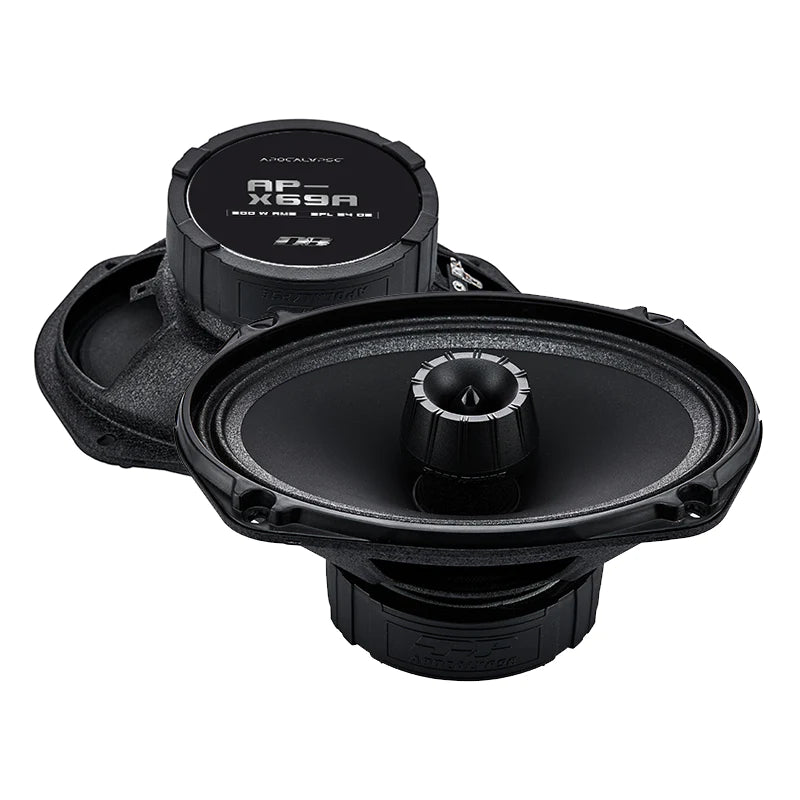
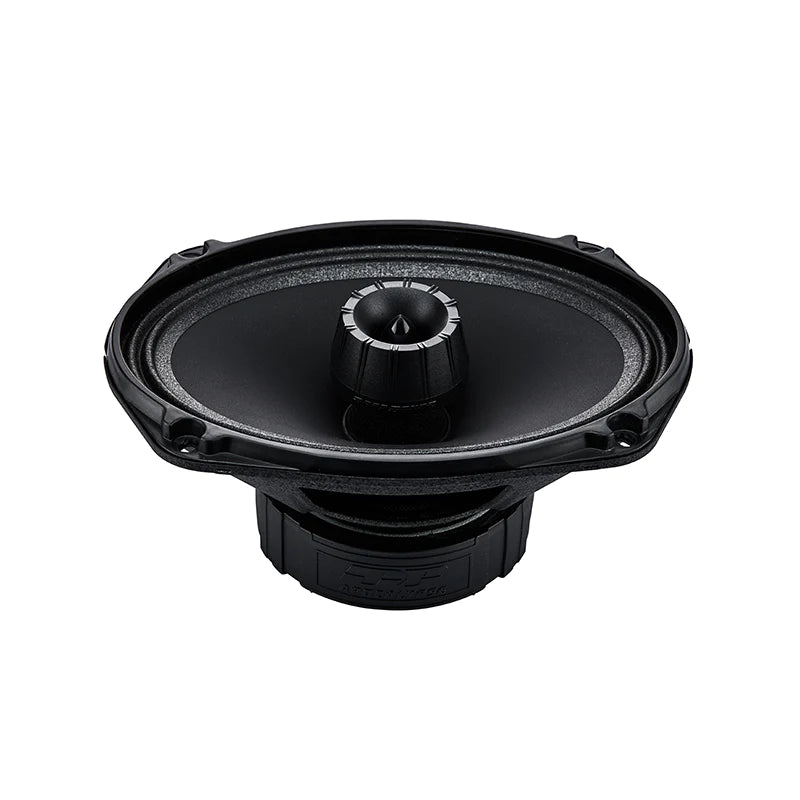
Component speakers are often a strong choice for daily driving because they separate tweeters and midrange drivers. This allows better control over vocal clarity and high frequency detail. Coaxial speakers can still perform well when properly installed and tuned, especially in rear fill positions.

Proper installation matters just as much as the speakers themselves. Solid mounting reduces unwanted vibrations and ensures that sound is directed effectively into the cabin.
Focus on Balanced Frequency Response
Balanced car audio is essential for fatigue-free listening. Each frequency range should support the others without dominating the mix.
- Bass should be present but controlled, adding depth without overpowering vocals
- Midrange should remain clear and natural, carrying most of the musical detail
- High frequencies should add sparkle without becoming sharp or piercing
Smooth Sound Tuning With EQ
Equalization plays a major role in shaping a comfortable sound signature. Instead of boosting frequencies aggressively, focus on gentle adjustments that correct imbalances. Reducing harsh peaks in the upper frequencies can make a noticeable difference in listening comfort. Slightly enhancing midrange frequencies can bring vocals forward without making them shouty. A smooth sound tuning approach avoids extremes. The goal is not to impress at first listen but to remain enjoyable over time.
The Role of Subtle Bass Control
Bass adds warmth and depth, but too much can quickly become tiring. In daily drive audio setups, bass should complement the system rather than dominate it.
A well-integrated subwoofer provides low-end support without drawing attention to itself. The transition between subwoofer and door speakers should feel seamless.
Controlling bass through proper gain settings and crossover tuning ensures that low frequencies remain tight and controlled, not boomy or overwhelming.
Speaker Positioning & Listening Comfort
Speaker placement has a direct impact on how sound is perceived. Poor positioning can create uneven sound, making certain frequencies feel too strong or too weak. Tweeters aimed directly at the ears can sometimes cause high frequency harshness. Slight adjustments in angle can soften the sound and improve comfort.
Midrange drivers should project sound evenly across the cabin. When positioned correctly, vocals feel centered and natural, reducing strain during long listening sessions.
Why Time Alignment Matters
In a car, the driver sits closer to some speakers than others. This difference affects how sound reaches the ears. Without correction, audio can feel unbalanced and tiring.
Time alignment helps synchronize sound from all speakers so it arrives at the listener at the same moment. This creates a stable soundstage and improves clarity. When timing is correct, music feels more natural and less chaotic, which greatly enhances long-term listening comfort.
Reducing Harshness for Fatigue-Free Sound
High frequency harshness is one of the biggest causes of listening fatigue. Bright car audio systems may sound detailed at first but become uncomfortable over time.
Reducing treble peaks through EQ or adjusting tweeter levels can smooth out the sound. Using proper crossover settings also ensures that tweeters are not handling frequencies that cause strain.
A slightly warmer sound profile is often more suitable for daily driving, as it reduces ear fatigue and makes music easier to enjoy for extended periods.
Importance of Audio Source Quality
Even a perfectly tuned system can struggle if the audio source is poor. Low-quality or heavily compressed files often lose detail and introduce harshness.

Using high-quality audio files or streaming at higher bitrates improves clarity and smoothness. This ensures that the system delivers clean, detailed sound without unnecessary distortion.
Good source quality enhances every aspect of the listening experience, especially in a carefully tuned system.
Managing Volume for Daily Listening
Volume levels play a significant role in listening comfort. A system that sounds good only at high volume is not practical for daily driving. Properly tuned setup maintains clarity and balance even at moderate levels. This allows drivers to enjoy music without needing to increase volume excessively. Keeping volume at comfortable levels also reduces fatigue and preserves hearing over time.
Common Mistakes That Reduce Listening Comfort
Many systems become tiring because of simple mistakes:
- Overboosting bass or treble
- Ignoring midrange balance
- Poor speaker placement
- Lack of proper tuning
- Using low-quality audio sources
Avoiding these issues makes a noticeable difference in overall comfort and sound quality.
Building a System That Feels Effortless
A smooth-sounding system does not try to impress with extremes. Instead, it delivers consistent, natural sound that feels effortless. Every component works together, and no single element dominates the listening experience.
This type of system allows drivers to focus on the music rather than the equipment. Whether listening to podcasts, vocals, or full-range music, the sound remains clear and enjoyable throughout the drive.
Long-Term Benefits of a Balanced Setup
Designing a system for comfort offers benefits beyond sound quality:
- Reduced listening fatigue during long commutes
- Better clarity at lower volumes
- Improved focus while driving
- More enjoyable overall experience
A balanced car audio system supports both entertainment and comfort, making every journey more pleasant.
Bringing It All Together
Creating a fatigue-free sound system is about balance, control, and thoughtful tuning. From speaker selection and placement to EQ adjustments and time alignment, each step contributes to a smoother listening experience.
When everything is dialed in correctly, music feels natural, vocals remain clear, and no frequency becomes overwhelming. This approach ensures that your car audio system performs consistently, delivering comfort and enjoyment on every daily drive.