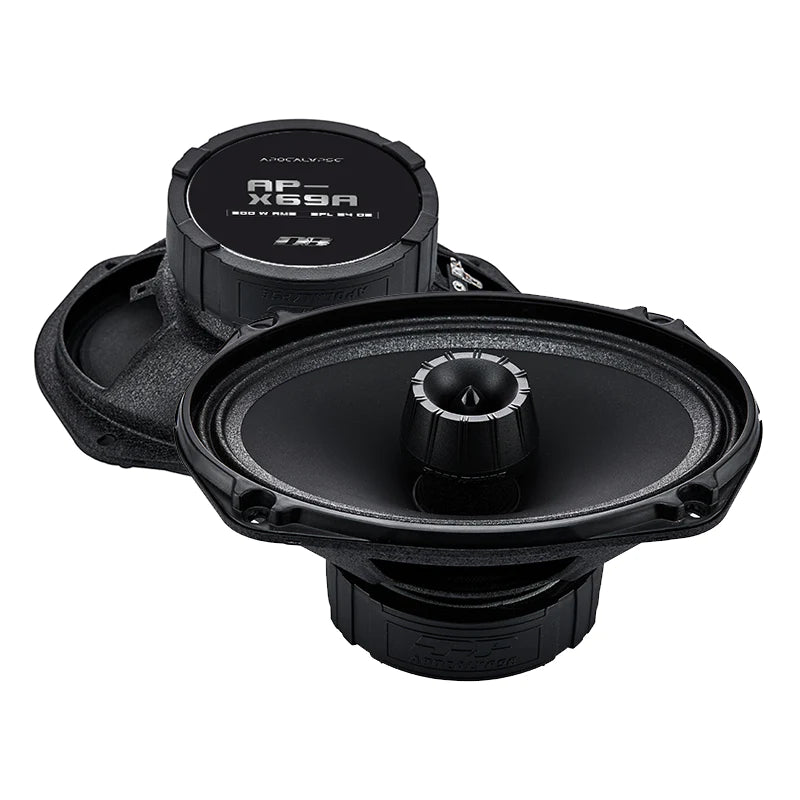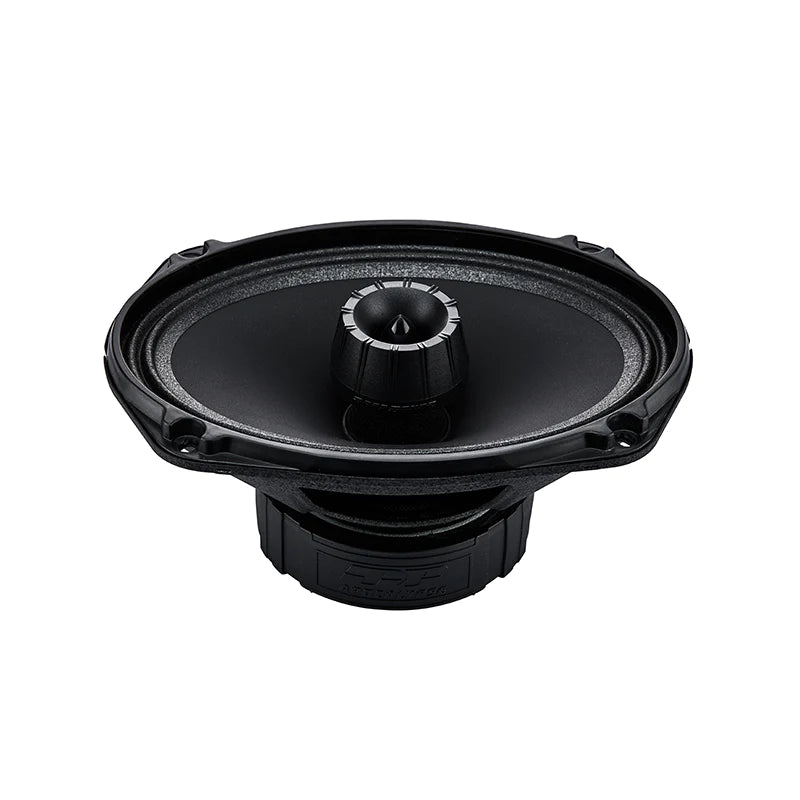

A boat audio system has a harder job than a typical car stereo. Once the boat is moving, wind rushes past the tower, the engine adds its own noise, and water movement creates another layer of background sound. Music that sounds loud and balanced while the boat is sitting still can suddenly feel weak when you open the throttle.
That is why choosing wakeboard tower speakers is not simply about finding the speakers with the highest wattage. Placement, speaker design, amplifier power, wiring, crossover settings, and aiming all affect how well the sound reaches riders behind or beside the boat.

A successful tower system is designed around the environment it will operate in. The goal is not just more volume. It is controlled output that remains clear enough to hear when the boat is moving.
Why Boat Audio Gets Harder to Hear at Speed
A stationary boat gives you a relatively easy listening environment. There is little airflow around the speakers, and reflections from nearby surfaces can make the system seem louder.
Once the boat accelerates, conditions change.
Wind noise becomes one of the biggest challenges. The faster the boat travels, the more difficult it becomes for relatively quiet musical details to stand out. Bass can remain noticeable, but vocals, guitars, cymbals, and other midrange information may become harder to hear.
Water and engine noise add to the problem. Riders farther away from the boat also receive less direct sound, so a system that seems powerful at the helm may not deliver the same listening experience behind the boat.
This is where tower-mounted speakers become useful. They place the sound source higher and closer to the area where riders are listening.
What Makes Wakeboard Tower Speakers Different?
Tower speakers are designed for an outdoor environment where sound needs to project into open space.
Unlike conventional cabin speakers that can rely partly on the vehicle's interior for acoustic reinforcement, tower speakers have to work without those same boundaries.
Several characteristics matter:
-
High output capability
-
Appropriate speaker sensitivity
-
Durable construction
-
Weather-resistant materials
-
Proper dispersion
-
Strong mounting hardware
-
Adequate amplifier power
-
Correct aiming and placement
The best tower speakers for boats are therefore not necessarily the biggest models. They are speakers that match the boat, amplifier, mounting location, and intended listening distance.
Start With Speaker Placement, Not Amplifier Power
It is tempting to solve every outdoor audio problem by adding more power.
That is not always the answer.
A poorly positioned speaker can waste considerable output. If the speakers are aimed toward the wrong area, riders may hear reflected or off-axis sound rather than the strongest portion of the speaker's output.
Tower height also matters. Mounting speakers higher can help create a more direct path toward riders, but the exact position depends on the tower design and how the boat is used.
Before installing anything, identify where people will actually be listening.
Will the speakers primarily serve:
-
Wakeboarders behind the boat?
-
Passengers in the cockpit?
-
People swimming near the stern?
-
Riders on an inflatable?
-
A combination of these areas?
Your answer should influence the installation.
Pro Tip: Sit or stand where the riders normally listen and visualize the speaker's sound path. A few minutes of planning can prevent an installation where the speakers are technically loud but poorly aimed.
Choosing the Right Speaker Size
Larger does not automatically mean better.
A larger tower speaker can potentially produce more output and stronger low-frequency performance, but it may also require more mounting space and amplifier power.
Smaller speakers can be easier to integrate into the tower and may work well when several speakers are distributed around the boat.
When comparing models, look beyond the advertised peak wattage.
Pay attention to:
-
RMS power handling
-
Sensitivity
-
Impedance
-
Frequency response
-
Driver configuration
-
Dispersion
-
Weather resistance
-
Mounting requirements
RMS ratings are particularly useful when matching speakers with an amplifier because they provide a more meaningful reference for continuous power handling than maximum or peak figures.
Important Note: Do not select speakers based solely on the largest wattage number on the product box. A properly matched system with efficient speakers and clean amplifier power can outperform a poorly matched high-wattage setup.
Why Sensitivity Matters on a Boat
Speaker sensitivity can be especially important in a marine application.
A speaker with higher sensitivity can produce more acoustic output from a given amount of amplifier power compared with a less efficient speaker under the same test conditions.
That can be useful when your goal is to make music audible over wind and water noise.
However, sensitivity numbers should not be viewed in isolation. Different manufacturers may use different testing methods, so compare specifications carefully.
A practical marine system should balance sensitivity, power handling, sound quality, and the amplifier's available output.
Matching Tower Speakers to the Amplifier
The amplifier is the engine behind your tower speakers.
If the amplifier cannot provide enough clean power for the speakers and listening environment, the system may struggle to produce the output you need. On the other hand, simply installing a very powerful amplifier does not guarantee better sound.
The amplifier and speakers should be matched based on their RMS specifications, impedance, and intended operating conditions.
For a multi-speaker system, also make sure the amplifier can safely handle the final load.
A basic planning process looks like this:
Step 1: Determine the speaker RMS rating.
Step 2: Check the speaker impedance.
Step 3: Determine how many speakers will be connected to each amplifier channel.
Step 4: Confirm the amplifier's output at that impedance.
Step 5: Make sure the boat's electrical system can support the added load.
Pro Tip: Leave yourself some headroom when designing the system rather than planning around maximum ratings. Clean power and sensible gain settings are more useful than chasing a large number on a specification sheet.
Marine Tower Speaker Install: Getting the Mounting Right
A good marine tower speaker install needs more than simply attaching speakers to the tower. The mounting hardware needs to securely support the speaker while the boat is moving. Vibration, acceleration, bumps, and repeated exposure to moisture can all place stress on the mounting system.
Before drilling or permanently attaching anything, verify:
- Tower diameter
- Mounting bracket compatibility
- Speaker clearance
- Cable routing
- Speaker orientation
- Hardware accessibility
- Movement or folding clearance
- Protection from nearby components
Make sure the speakers do not interfere with tower movement, covers, lines, boards, or other equipment.
If the tower folds, pay particular attention to cable routing. Wiring should have enough controlled flexibility to accommodate movement without becoming pinched or stretched.
Important Note: Never assume a universal tower bracket will fit every tower securely. Check the manufacturer's mounting requirements and use hardware designed for the speaker and tower combination.
Aim the Speakers Toward the Listening Area
Aiming is one of the most overlooked parts of tower audio.
Imagine shining a flashlight toward a target. The light is strongest in the direction you point it. Speaker output behaves differently because sound frequencies disperse in different ways, but the same basic principle applies: orientation affects what listeners receive.
For riders behind the boat, tower speakers should generally be positioned so their primary output is directed toward the intended riding area.
Do not automatically aim every speaker straight forward or straight backward.
The ideal angle depends on:
-
Tower geometry
-
Speaker design
-
Rider position
-
Boat speed
-
Number of speakers
-
Speaker dispersion
Aiming should be treated as part of the acoustic design rather than an afterthought.
How to Deal With Boat Audio Wind Noise
You cannot eliminate wind noise with speakers alone.
Instead, the system needs enough clean output and appropriate tonal balance to remain intelligible in that environment.
This is where boat audio wind noise becomes an important tuning consideration.
If vocals disappear when the boat accelerates, increasing bass is unlikely to solve the problem. You may actually make the system sound less balanced.
Instead, focus on maintaining enough midrange presence for vocals and instruments while keeping the overall system clean.
A properly configured crossover can also prevent tower speakers from being forced to reproduce frequencies they are not designed to handle efficiently.
Use Crossovers to Keep the System Clean
Tower speakers do not necessarily need to reproduce the entire audible frequency range.
If a subwoofer is handling deep bass, the tower speakers can be relieved from reproducing the lowest frequencies.
This can help the system focus available amplifier power on the frequencies that contribute most to perceived clarity and intelligibility.
Depending on the speaker and system design, a high-pass filter can be useful for protecting tower speakers from excessive low-frequency demands.
The correct crossover point depends on the speaker's design and specifications, so avoid blindly copying settings from another boat.
Pro Tip: Make one adjustment at a time when tuning. Change the crossover, listen, then make the next adjustment. Changing gain, EQ, crossover, and bass boost simultaneously makes it difficult to identify what actually improved the sound.
Don't Ignore the Rest of the Marine Audio Setup
Tower speakers are only one component of a complete marine audio setup.
A balanced system may include:
- Source unit or marine receiver
- Tower speakers
- Cockpit speakers
- Subwoofer
- Amplifiers
- Signal processors
- Marine-rated wiring
- Proper power distribution
- Weather-resistant connections
The tower speakers should complement the rest of the system rather than overpowering it.
For example, if the tower speakers are extremely loud while the cockpit speakers are barely audible, passengers inside the boat may not enjoy the system.
A multi-zone approach can be useful when different listening areas require different volume levels.
Power and Wiring Matter More Than They Look
Outdoor audio systems can demand substantial electrical power.
Before adding a large amplifier, consider whether the boat's battery, charging system, wiring, and power distribution are suitable for the additional load.
Power cables should be correctly sized for the amplifier's current requirements and cable length. Connections should be secure and appropriately protected.
Signal cables and power cables should also be routed carefully to reduce the possibility of unwanted noise.
Important Note: Marine installations require special attention to moisture, corrosion, and electrical protection. Use appropriately rated components and follow the manufacturer's installation requirements rather than treating a boat like a car.
Protect Connections From the Marine Environment
Water-resistant speakers are only part of the equation.
A speaker may be designed for marine use, but poorly protected wiring connections can still become a weak point.
Moisture and salt exposure can contribute to corrosion over time. Connections should therefore be positioned and protected appropriately for the installation.
Pay attention to:
- Connectors
- Terminals
- Cable entry points
- Ground connections
- Fuse holders
- Amplifier connections
- Cable routing
A system that sounds excellent on installation day should also be able to survive repeated exposure to the environment in which it operates.
How Many Tower Speakers Do You Actually Need?
More speakers are not automatically the solution.
Two well-positioned speakers with adequate clean power may be more useful than several speakers that are poorly aimed or improperly powered.
The right number depends on the boat and listening area.
A smaller boat may only need a pair of tower speakers. Larger boats or systems intended for multiple listening zones may benefit from additional speakers.
Adding speakers also changes the amplifier requirements and electrical load, so plan the entire system before purchasing components.
Common Mistakes That Reduce Tower Speaker Performance
Chasing Peak Wattage
Large peak numbers do not tell you everything about real-world performance.
Installing Without Testing the Position
A speaker that looks good on the tower may not cover the intended listening area effectively.
Using the Wrong Amplifier Load
Connecting speakers without confirming impedance and amplifier compatibility can create performance or equipment problems.
Ignoring Crossover Settings
Making tower speakers reproduce frequencies better handled by a subwoofer can waste power and increase distortion.
Poor Cable Routing
Loose wiring can rub against components, become damaged, or interfere with moving tower sections.
Overusing Bass Boost
Bass boost does not compensate for wind noise in the midrange and can consume amplifier headroom unnecessarily.
Forgetting the Electrical System
A powerful amplifier requires appropriate electrical support. The battery and charging system should be considered before installation.
Installing Cheap Mounting Hardware
The speaker needs to remain secure under vibration and movement. Mounting quality is part of the audio installation.
A Practical Setup for Clearer Sound on the Water
If your primary objective is getting music to riders behind the boat, build the system around that listening position.
A practical configuration could include:
Tower speakers: High-output marine-rated models selected according to the boat's size and intended listening distance.
Amplifier: A properly matched marine amplifier capable of supplying clean RMS power.
Subwoofer: A dedicated subwoofer handling deep bass so tower speakers can focus more effectively on their usable range.
Crossover: Appropriate high-pass and low-pass filtering based on the individual components.
Source: A marine-capable receiver or source unit with the controls needed for your system.
Wiring: Correctly sized, securely routed marine-appropriate wiring and protected power connections.
Installation: Secure mounting with speakers aimed toward the primary listening area.
This approach creates a system where every component has a defined job.
Tuning Your System After Installation
Installation is not finished when every screw is tight.
Take the boat through a gradual testing process.
Start at low volume and confirm that every speaker is operating correctly. Listen for rattles, distortion, unusual noises, or intermittent connections.
Then increase the volume gradually.
Test the system while the boat is stationary first. After that, evaluate it under normal operating conditions. If the music becomes difficult to hear at cruising speed, determine whether the problem is output, speaker positioning, tonal balance, or wind exposure.
Do not immediately turn every control to maximum.
Small adjustments can make a surprisingly large difference.
Pro Tip: Tune the system from the actual rider's position, not only from the driver's seat. The person standing behind the boat is the listener your tower speakers are supposed to serve.
Choosing the Best Tower Speakers for Boats
When comparing the best tower speakers for boats, use your actual requirements rather than a generic top-ten list.
Consider the following checklist:
| Feature | Why It Matters |
|---|---|
| RMS power handling | Helps match speakers to amplifier output |
| Sensitivity | Important for producing useful output from available power |
| Impedance | Determines amplifier compatibility |
| Weather resistance | Important for long-term marine use |
| Dispersion | Influences how widely sound reaches listeners |
| Mounting system | Affects installation security |
| Speaker size | Influences output, space requirements, and power needs |
| Construction | Determines durability and long-term reliability |
| Frequency response | Helps determine how the speaker fits into the full system |
The ideal speaker is the one that fits your complete system rather than the one with the most impressive specification on paper.
4 FAQs About Wakeboard Tower Speakers
1. How can I make wakeboard tower speakers louder while the boat is moving?
Start with proper speaker placement, aiming, sensitivity, and clean amplifier power. Correct crossover settings can also help the speakers use available power more efficiently. Simply increasing gain is not a substitute for proper system design.
2. Do wakeboard tower speakers need a separate amplifier?
They do not always require one, but a dedicated amplifier can provide substantially more clean power than many source units. Whether you need one depends on the speaker specifications, desired output, and existing marine audio system.
3. What are the best tower speakers for boats with high wind noise?
Look for marine-rated speakers with suitable sensitivity, power handling, and dispersion for your application. Speaker placement and aiming are equally important because even a high-output speaker can perform poorly if it is directed away from the listening area.
4. Can I install tower speakers myself?
Yes, a marine tower speaker install can be a DIY project if you understand the electrical and mounting requirements. However, complex tower fabrication, difficult wiring, high-power systems, or installations involving specialized marine electrical systems may be better handled by an experienced installer.
Build the System Around the Rider
Getting music to carry over wind and water is not about finding one magic speaker or turning an amplifier up as far as possible. It comes down to the relationship between speaker design, amplifier power, placement, aiming, crossover settings, wiring, and the environment.
Start by deciding where the listeners will be. Then select speakers that can produce the required output, match them with an appropriate amplifier, install them securely, and tune the system from the position where the music actually needs to be heard.
When those pieces work together, your tower system can remain clear and enjoyable even when the boat is moving, rather than sounding impressive only while sitting at the dock.