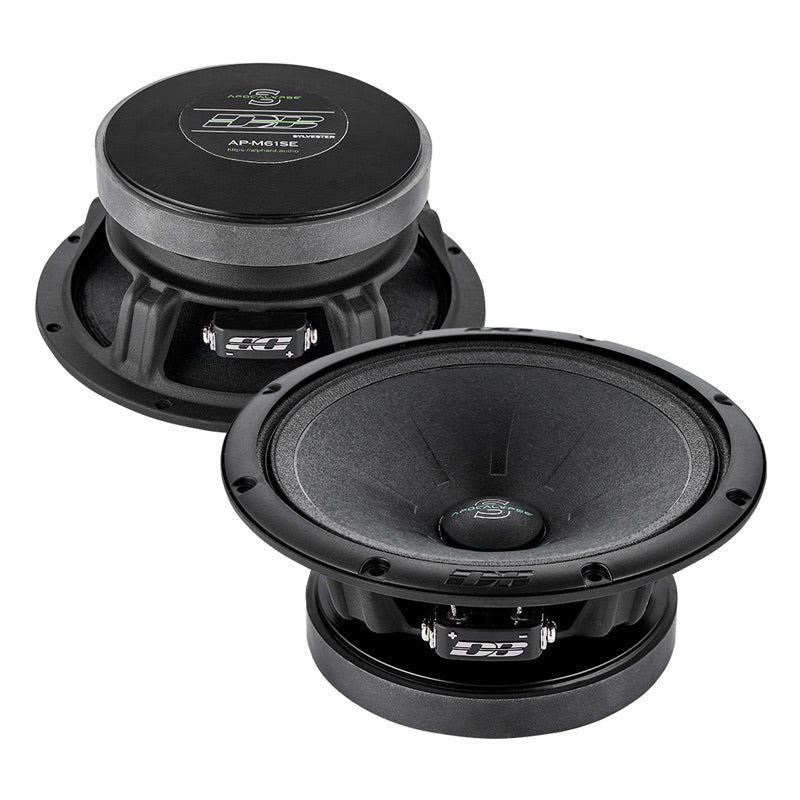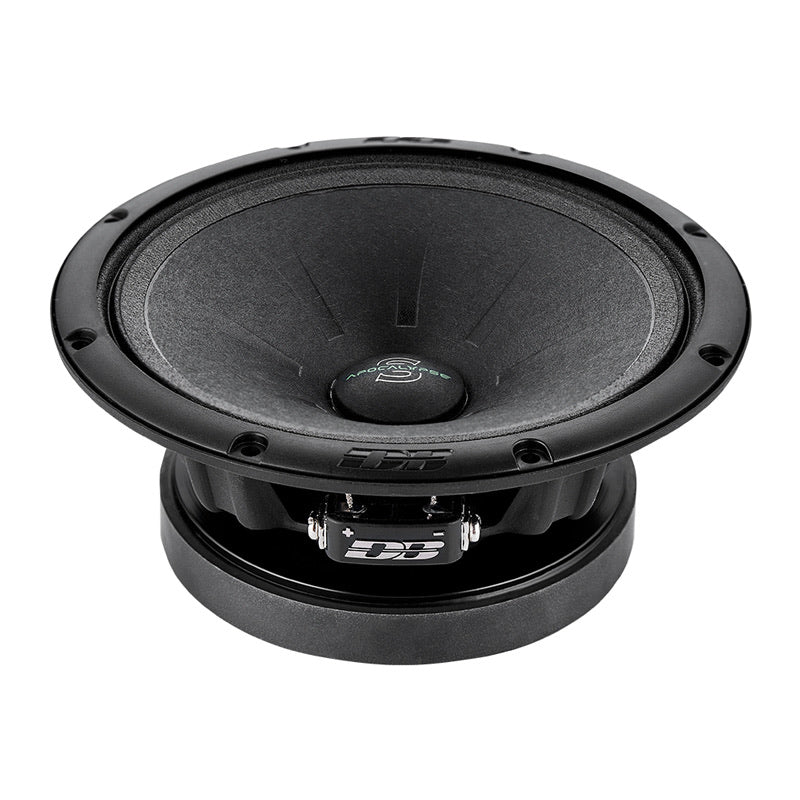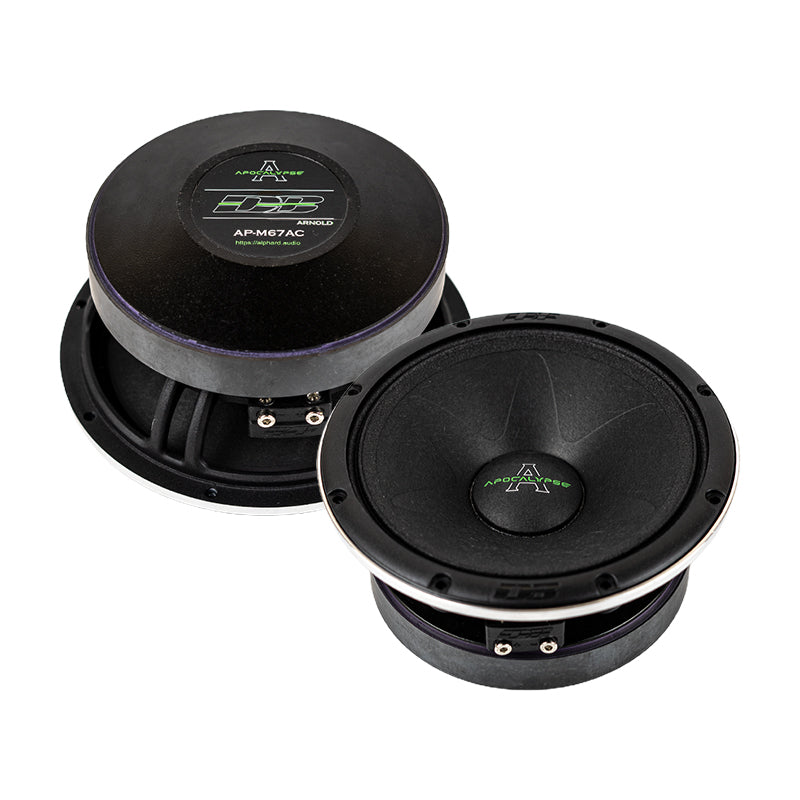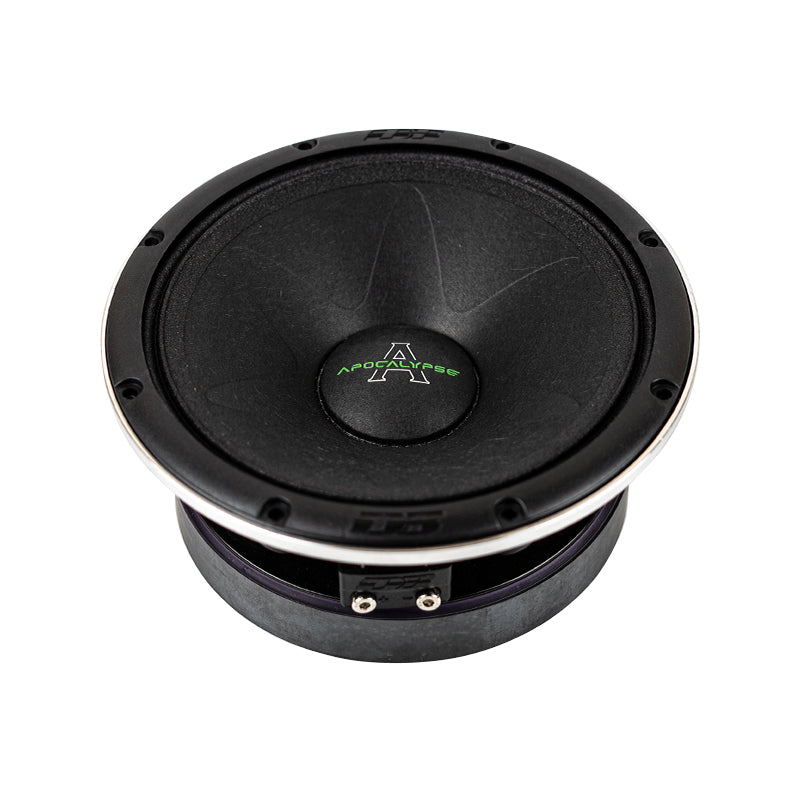

Choosing marine speakers for a boat involves more than finding a model with good power handling and water resistance. Where those speakers are installed can have just as much impact on the final result. Two of the most common options are marine speaker pods and flush mount boat speakers, and each approach solves a different installation challenge.
Speaker pods sit on top of a mounting surface and can often be positioned where traditional speakers would not fit. Flush mount speakers, on the other hand, are installed directly into a panel, wall, door, or other suitable surface for a cleaner factory-style appearance.
Understanding the differences between these two mounting styles can make a major difference when planning a boat audio install. The right choice depends on available space, mounting depth, sound direction, appearance, and how much flexibility you need during installation.
What Are Marine Speaker Pods?
Marine speaker pods are enclosed or semi-enclosed mounting housings designed to hold speakers on surfaces where cutting a large opening may not be practical. Instead of placing the entire speaker inside a panel, the pod provides a dedicated mounting structure.
This makes pods particularly useful for boats with limited mounting locations. They can be installed on surfaces such as roll bars, wakeboard towers, consoles, rails, or other structural areas when the pod and mounting hardware are compatible with the application.
One of the biggest advantages of marine speaker pods is positioning flexibility. A speaker can potentially be aimed toward the seating area instead of simply pointing straight out from a flat panel.

That can be valuable on an open boat where passengers may be spread across different areas. Proper positioning can help direct sound toward the listening area rather than allowing much of the output to disperse in an uncontrolled direction.
Benefits of Marine Speaker Pods
Marine speaker pods can make sense when installation flexibility is a priority. Key advantages include:
-
Flexible placement compared with traditional panel-mounted speakers
-
Useful for boats with limited flush-mount locations
-
Can provide directional speaker positioning
-
Often suitable for towers, rails, consoles, and other mounting structures
-
May simplify installation when cutting a large panel opening is undesirable
-
Can create a more aggressive or custom marine audio appearance
Pods can also be useful when upgrading an existing system. If the boat already has its available flush-mount locations occupied, adding properly supported pods can provide another way to expand the system.
What Are Flush Mount Boat Speakers?
Flush mount boat speakers are installed directly into a mounting surface. The speaker frame and grille sit close to the surrounding panel, creating a clean and integrated appearance.
This is one reason flush mounting is so common in factory-style marine audio systems. When the installation is done correctly, the speaker looks like part of the boat rather than an accessory attached to it.
Flush mounting can work particularly well on suitable fiberglass panels, interior walls, dashboards, side panels, storage areas, and other locations with enough depth behind the surface.
However, the installation requires careful planning. The installer needs to confirm the speaker's cutout diameter, mounting depth, clearance behind the panel, and access for wiring before making the opening.
Benefits of Flush Mount Speakers
Flush mount speakers offer several advantages for boat owners who prioritize integration and appearance:
-
Clean, low-profile installation
-
Factory-style appearance
-
Less equipment protruding from the mounting surface
-
Good option for existing speaker locations
-
Can work well in fiberglass and other suitable panels
-
Often easier to blend into the boat's interior design
The main limitation is placement flexibility. Once the panel has been cut, the speaker location is essentially fixed. That makes accurate measurements especially important.
Marine Speaker Pods vs Flush Mount: The Main Differences
The biggest difference between these mounting methods is how the speaker interacts with the boat's available space.
| Feature | Marine Speaker Pods | Flush Mount Boat Speakers |
|---|---|---|
| Installation style | Mounted on top of a surface | Installed inside a cutout |
| Placement flexibility | Generally higher | More limited |
| Appearance | More noticeable | Cleaner and more integrated |
| Panel cutting | May require little or none | Requires accurate cutout |
| Directional positioning | Often easier | Depends on panel location |
| Installation depth | Pod provides mounting structure | Requires space behind panel |
| Best use | Towers, rails, consoles, limited spaces | Panels, doors, walls, factory locations |
| Installation planning | Focus on mounting support and positioning | Focus on cutout and behind-panel clearance |
Neither option is automatically better. The better choice depends on the boat and the listening environment.
Which Option Sounds Better?
It is easy to assume that one mounting style automatically produces better sound, but speaker performance depends on much more than the housing style.
Speaker quality, amplifier power, crossover configuration, installation location, enclosure conditions, wiring, and aiming all influence the final result.
Marine speaker pods can have an advantage when directional control matters. For example, a pod-mounted speaker can sometimes be angled toward passengers instead of being locked into the direction of a flat panel.
Flush mount speakers can perform extremely well when installed in a suitable location with adequate clearance behind the speaker. A properly planned flush installation can provide a clean and balanced system without adding unnecessary structures to the boat.
The goal should be to place the speakers where they can provide useful coverage while avoiding locations where their output will be blocked by seats, consoles, storage compartments, or other equipment.
Installation Considerations Before Choosing
Good marine speaker mounting starts before drilling or cutting anything. A speaker may physically fit into a location but still be a poor choice if there is not enough clearance behind it.
Check the manufacturer's mounting specifications before installation. Pay particular attention to:
Mounting Depth
Flush mount speakers need adequate space behind the panel. Wiring, structural supports, tanks, storage compartments, and other components can create clearance problems.
Pods can solve some of these problems because the speaker does not have to sit completely inside the panel.
Mounting Surface
The mounting surface needs to support the speaker securely. Fiberglass panels, composite surfaces, metal structures, and other materials can behave differently under vibration.
A weak mounting surface can create unwanted movement or rattling, even when the speaker itself is capable of producing strong output.
Water Exposure
Marine speakers are designed for demanding environments, but the installation still needs to account for water exposure. Wiring connections should be properly protected, and mounting hardware should be appropriate for the environment.
Avoid assuming that a marine-rated speaker makes every part of an installation waterproof. The speaker, wiring, connectors, mounting location, and installation method all matter.
Speaker Direction
Think about where passengers actually sit. A speaker installed in an easy location is not necessarily a speaker installed in the best location.
Pods can be especially useful when you need to aim speakers toward a particular seating area. With flush mounting, the panel itself determines much of the speaker's direction.
When Marine Speaker Pods Make More Sense
Marine speaker pods are worth considering when your boat has unusual mounting requirements or when directional placement is important.
They can be a strong option for wake boats, center consoles, fishing boats, and other applications where conventional speaker locations are limited. They can also work well when you want to add speakers without significantly modifying an existing interior panel.
Pods are particularly useful when the desired speaker location does not have enough depth for a conventional flush installation.
They also provide more freedom when designing a system around specific listening zones. Instead of accepting the direction of an existing panel, you may have greater control over where the speaker points.
When Flush Mount Boat Speakers Are the Better Choice
Flush mounting is usually the better approach when appearance and integration are major priorities.
If the boat already has factory speaker locations, replacing the existing speakers with appropriately sized marine models can provide a straightforward upgrade while keeping the original design intact.
Flush mount speakers also make sense when there is enough room behind the mounting surface and the panel can safely accommodate the required cutout.

For many interior areas, this approach creates a cleaner result than adding visible speaker housings.
Can You Use Both?
Yes. A boat does not necessarily need to use one mounting style throughout the entire system.
A mixed installation can sometimes provide better coverage. Flush mount speakers can handle seating areas where integrated installation is practical, while marine speaker pods can be added in locations where directional control or additional coverage is needed.
For example, a boat could use flush-mounted speakers throughout the cabin while using pod-mounted speakers in an open seating or tower area.
This approach allows the installation to follow the boat's physical layout instead of forcing every speaker into the same type of location.
Pro Tips for a Better Boat Audio Install
Before choosing between the two mounting styles, keep these practical points in mind:
Measure twice before cutting. Confirm the speaker cutout, mounting depth, and available clearance using the manufacturer's specifications.
Plan the wiring first. Determine how the speaker wires will reach the amplifier or source before permanently mounting the speakers.
Think about coverage, not just speaker count. Adding more speakers does not automatically create a better system if they are poorly positioned.
Use appropriate mounting hardware. Marine environments are hard on metal components, so hardware should be selected with corrosion resistance in mind.
Avoid unnecessary modifications. If a pod can solve a placement problem without cutting an important structural or finished panel, it may be the more practical solution.
Consider amplifier matching. A quality marine speaker still needs an amplifier and system configuration that match its power requirements and intended use.
What Should You Choose for Your Boat?
Choose marine speaker pods when flexibility, directional aiming, or unusual mounting locations are your biggest concerns. They are especially useful when there is limited panel depth or when you want to direct sound toward specific seating areas.
Choose flush mount boat speakers when you have suitable mounting surfaces and want a clean, integrated installation. They are an excellent fit for factory speaker locations and interior areas where maintaining the boat's original appearance matters.
For anyone researching the best marine speakers 2027, it is worth looking beyond speaker specifications alone. A speaker's power rating and marine durability matter, but the way it is mounted and positioned can have a major effect on how effectively the system performs.
The best marine speaker mounting solution is ultimately the one that works with the boat's structure, available space, listening zones, and overall system design. When those factors are planned together, both pod-mounted and flush-mounted marine speakers can deliver an impressive boat audio experience.