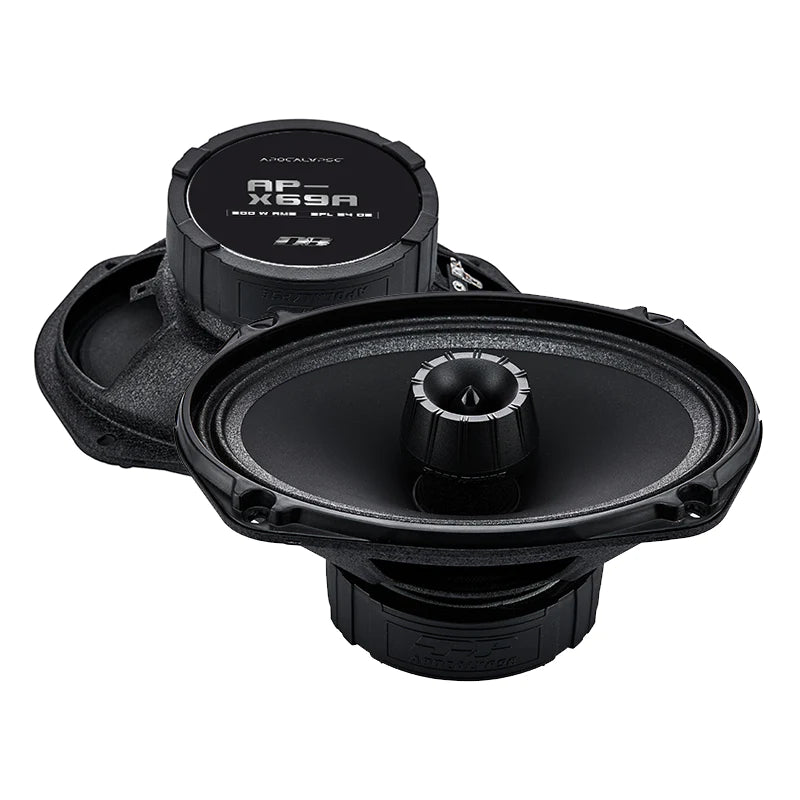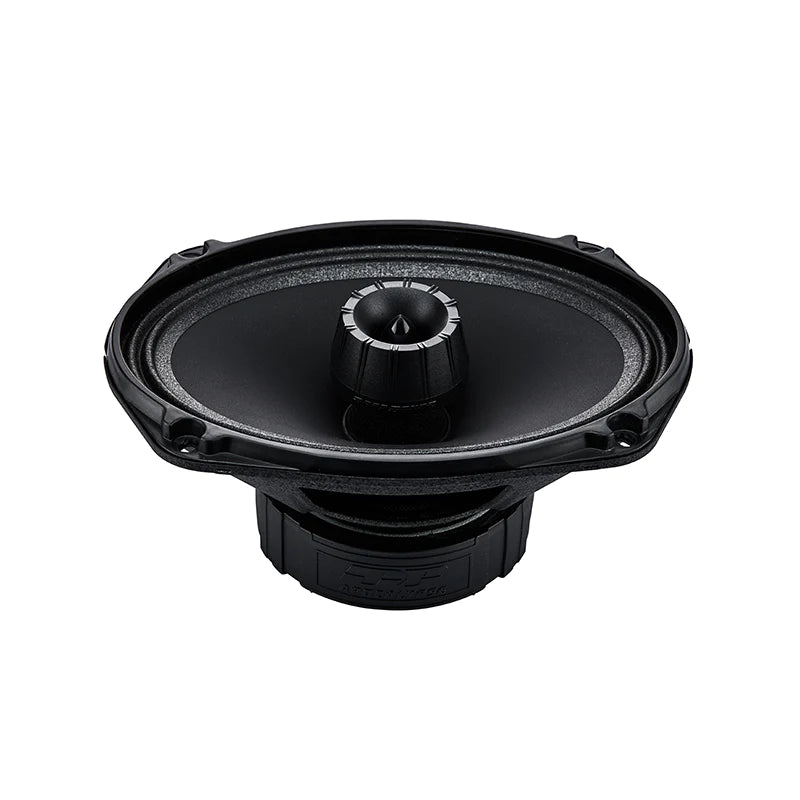

Many speaker upgrades fail within a few days or weeks, even when premium brands are used. The problem usually isn’t the speakers themselves. More often, weak output, distortion, or early damage traces back to overlooked system components that quietly limit performance and reduce audio lifespan.
Car audio systems work as a single chain. When one part struggles, everything connected to it feels the impact. Before replacing speakers, it makes sense to look at what is feeding them, controlling them, and physically supporting them inside the vehicle.
Why New Speakers Often Disappoint
Drivers expect louder volume, clearer vocals, and stronger midbass after an upgrade. Instead, they often hear harsh highs, rattling panels, or sound that barely improves over factory equipment. This happens because speakers amplify existing system bottlenecks rather than fixing them.
Common causes include power loss, poor signal quality, electrical resistance, and mechanical vibration. Ignoring these factors leads to a system where even the most expensive components can’t perform to their potential.
1. Factory Wiring That Restricts Performance
Factory speaker wiring is designed for low-power output and short listening sessions. When you transition to aftermarket speakers, those thin, high-gauge wires often become a major limitation.
High resistance in thin wiring reduces power delivery and causes uneven frequency response. You will notice the midbass suffers first, followed by a loss of clarity at higher volumes. In extreme cases, undersized wiring can heat up, contributing to long-term speaker failure.
The Fix: Upgrading to a thicker, oxygen-free copper (OFC) speaker wire improves signal flow and stabilizes impedance. This change often delivers a more noticeable improvement in punch than replacing the speakers alone.
2. Head Unit Limitations & Signal Processing
Many factory head units look advanced but struggle behind the scenes. Manufacturers often use aggressive built-in equalization (EQ) to protect cheap factory speakers from blowing, which rolls off the bass as you turn up the volume.
If you can’t replace your integrated infotainment screen, you must address the signal.
-
Line Out Converters (LOCs): These allow you to tap into factory wires and provide a clean signal to an amplifier.
-
Digital Signal Processors (DSP): A DSP can strip away the factory "safety" EQ and give you a flat, high-quality signal to tune your new speakers properly.
3. Power Delivery and Amplifier Mismatch
Speakers are often blamed for clipping when the real issue is an unstable power supply. Running high-performance aftermarket speakers on insufficient or unstable power causes heat buildup in the voice coils, leading to premature failure.
Voltage drops and poor grounding are the silent killers of car audio. Even a capable amplifier cannot perform if the electrical path is inconsistent. Ensure your amplifier's RMS output matches your speakers' requirements to protect your investment and maintain audio longevity.
4. Door Panels and Sound Deadening
Speakers do not operate in isolation. The door cavity acts as the speaker's "cabinet." If that cabinet is made of thin, vibrating metal, your sound quality will suffer.
Loose mounting surfaces absorb energy instead of projecting sound into the cabin. Vibrations from the metal panels cancel out midbass frequencies and introduce distracting rattles.
-
The Fix: Use proper mounting adapters to ensure a tight seal. Furthermore, applying sound deadening material to the inner door skin stops the metal from "eating" your bass and lowers the floor of road noise, making your music sound much cleaner at lower volumes.
5. Vehicle Electrical Health
Modern vehicles rely on complex electrical systems. Weak batteries, aging alternators, or shared power circuits can quietly drain audio performance. Electrical strain leads to inconsistent amplifier behavior and increases the risk of overheating.
A healthy electrical foundation including clean battery terminals and a strong ground supports stable voltage. This is especially critical if you are running multiple accessories or a high-wattage subwoofer alongside your new speakers.
Quick Upgrade Checklist Before Replacing Speakers
|
Component to Check |
Why It Matters |
Priority Fix |
|
Speaker Wiring |
Reduces resistance; improves power flow. |
Use 16-gauge or 14-gauge OFC wire. |
|
Signal Source |
Fixes factory EQ "roll-off" and distortion. |
Add a Quality LOC or DSP. |
|
Power Stability |
Prevents voice coil overheating. |
Check ground points and battery health. |
|
Mounting & Airflow |
Improves bass response and reduces rattles. |
Use sound deadening and foam rings. |
|
Electrical System |
Supports consistent, high-volume output. |
Ensure alternator and battery are healthy. |
How This Approach Saves Money
Upgrading speakers without addressing these bottlenecks leads to frustration and repeated replacements. By identifying these weak links first, you create a balanced environment where your speakers can perform exactly as the engineers intended.
A well-prepared system makes every dollar of your upgrade count. Before you buy that next pair of components, take a look behind the door panel and under the hood—your ears (and your wallet) will thank you.
Not sure if your factory wiring or head unit can support your ideal setup? Drop a comment here with your vehicle model and the speakers you’re considering, and we’ll help fine-tune your system.