
Updated August 2026 · Reviewed by the Elite Auto Gear team
You don't need to rip out your factory radio to get real bass in your car. Most modern head units, especially the touchscreen infotainment systems in newer trucks and SUVs, are expensive to replace and control more than just audio. They're often tied into climate settings, the backup camera, and steering wheel controls. Adding a subwoofer to a factory stereo is a well established upgrade path, and it doesn't require touching the head unit at all.
Can You Add a Subwoofer to a Stock Stereo?
Yes. Factory stereos aren't built with a dedicated high power subwoofer output, but you can still add a powered subwoofer using a line output converter (LOC). It taps into your existing speaker wiring and converts that speaker level signal into a clean RCA signal an aftermarket amplifier can use. This is the same basic approach whether you're adding a sub to a full factory infotainment system, a basic 2 channel stereo, or anything in between.
Check If Your Factory Stereo Already Has a Subwoofer Output
Before buying parts, check what you're working with. Some newer vehicles, especially higher trim packages with a branded premium sound system, already include a dedicated subwoofer output or a bass level control buried in the audio settings menu. If your car has a factory subwoofer or a "sub out" RCA jack behind the head unit, you may only need an amplifier and enclosure, skipping the LOC entirely.
Most stock systems don't have this. They only send audio through standard door speaker wires with no separate sub channel, which is exactly the gap a line output converter fills.
Why This Setup Is Trickier Than an Aftermarket Install
A few things make factory integration different from a typical aftermarket build:
- Weaker signal voltage. Factory head units often output less voltage than aftermarket radios, so subs can sound quiet or underpowered if the LOC's gain isn't set correctly.
- No dedicated amp channel for bass. Stock radios are built to drive small door speakers, not push a subwoofer, so an external amp is required in almost every case.
- Noise risk from bad wiring. Tapping directly into speaker wires without an LOC, or grounding the amp poorly, can introduce whine, hum, or distortion into the whole system.
- CAN bus and anti-theft systems. Some newer vehicles monitor speaker wire resistance as part of the factory system. Splicing in the wrong spot can trigger warning lights or cut audio output entirely, so an LOC that taps in without cutting factory wires is the safer route on these platforms.
What You Need
- A line output converter (LOC), ideally with adjustable gain
- A mono amplifier sized to your subwoofer's RMS rating
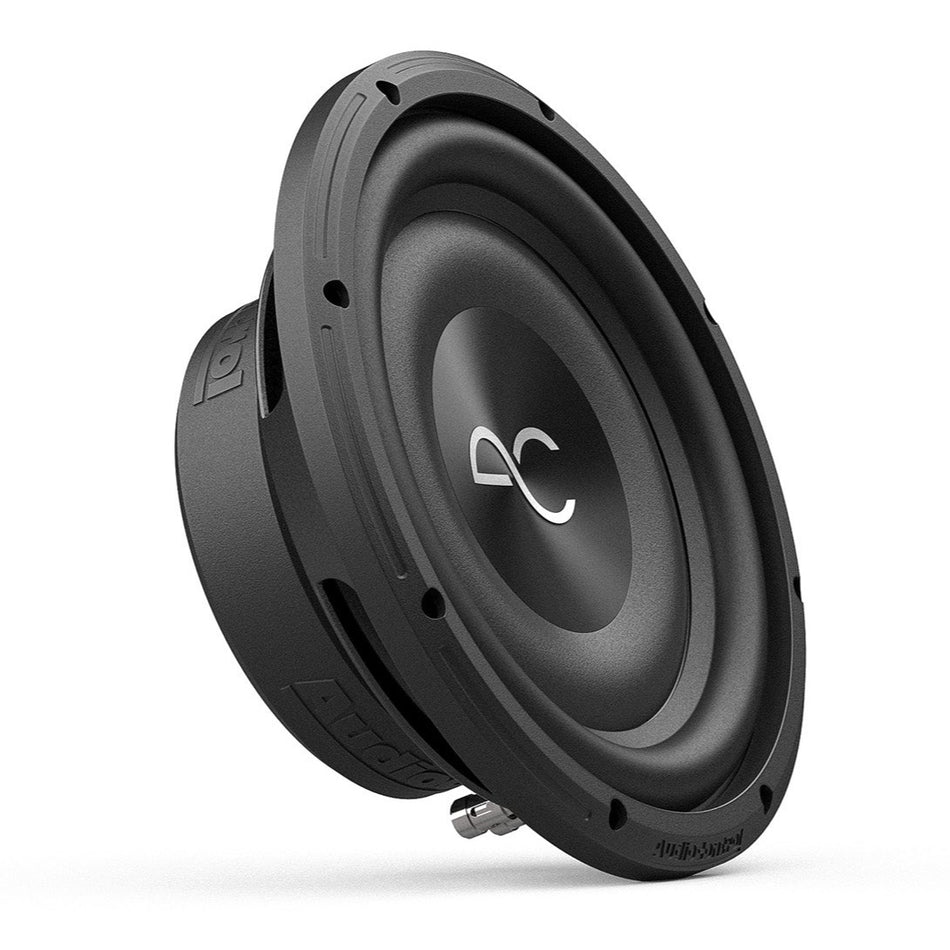
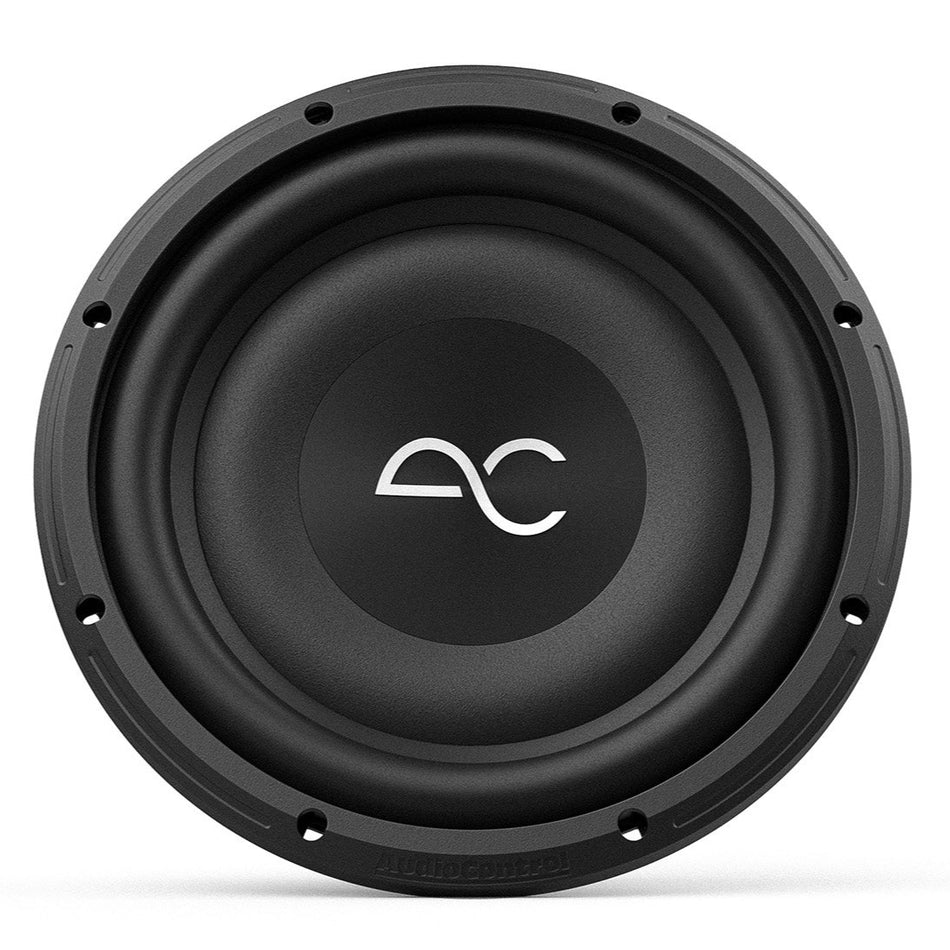
- A subwoofer and matching enclosure (sealed or ported)
- A complete amp wiring kit: power wire, ground wire, remote turn on wire, fuse, and RCA cable
Step by Step: Installing a Subwoofer on a Factory Stereo

1. Pick the subwoofer and enclosure first. Enclosure type changes the sound. Sealed boxes give tighter, more accurate bass and take up less space. Ported boxes hit louder and deeper but need more room. Match the sub's RMS power rating to your amp so you're not over or underpowering it, and measure your trunk or cabin space before buying anything.
2. Choose an amplifier that fits your setup. A mono amplifier is the standard choice for a single sub. If you'd rather run your door speakers off the same amp along with the sub, a multi-channel amp with a built in crossover can handle both, but a dedicated mono block is simpler and easier to tune correctly.
3. Wire in the line output converter. Locate the speaker wires coming from the factory head unit or from the harness behind it. Connect the LOC per its instructions, usually a simple tap-in with no cutting required if you use a T-harness style LOC. Set the LOC's gain to roughly match your amplifier's input sensitivity before moving on.
4. Run power, ground, and signal wiring. Route the power wire from the battery through the firewall, keeping it away from factory wiring harnesses to avoid interference. Ground the amp to bare metal, not a painted surface. Connect the RCA cable from the LOC to the amp, then wire the amp's output to the subwoofer. Start at low volume the first time you power it on.
5. Tune the system. Set the amp's low pass filter around 70 to 120 Hz depending on your subwoofer and vehicle size. Check the phase switch, 0 or 180 degrees, and pick whichever makes the bass sound fuller when blended with your door speakers. Bring the gain up gradually and stop before you hear any clipping or distortion.
How to Add a Subwoofer to a 2 Channel Stereo
Not every stereo has more than two channels, especially older vehicles, basic aftermarket double-DIN units, or marine and motorcycle head units. The good news is the process barely changes.
If your amplifier has RCA inputs, use the same LOC method described above and tap into the front or rear speaker wires, whichever pair isn't being used for door speakers you want to keep active.
If your amp only has speaker level (high level) inputs, you can skip the LOC entirely. Run speaker wire straight from the stereo's front or rear channel output into the amp's high level input, then use the amp's built in crossover to send the low frequencies to your sub. Many amps built for this kind of setup will also pass a filtered signal back out to your factory speakers, so you're not losing your mids and highs in the process.
Common Mistakes That Wreck a Factory Stereo Subwoofer Install

- Setting the gain too high. Gain controls signal strength, not loudness. Pushing it past the point of clean output just adds distortion and can damage the sub or amp over time.
- Skipping the remote turn on wire. Wiring the amp to switch on with constant power instead of the remote lead drains your battery when the car is off.
- Grounding to a bad surface. A ground point with paint, rust, or corrosion between the wire and the metal causes noise and unreliable power delivery. Sand it down to bare metal first.
- Undersized power wire. Running an amp on wire that's too thin for its power draw causes voltage drop, which shows up as weak bass or the amp shutting off under load.
- Ignoring phase. If the sub sounds thin or the bass seems to disappear at certain frequencies, it's often out of phase with the door speakers. Flip the phase switch and listen for the fuller sounding option.
Frequently Asked Questions
Can you hook up a subwoofer to a stock stereo? Yes. A stock stereo doesn't have the power or a dedicated sub channel to drive a subwoofer on its own, but a line output converter combined with an external amplifier gets around that without any changes to the factory radio.
Do I need an amplifier to add a subwoofer to a factory radio? In almost all cases, yes. Factory radios don't put out enough power to properly drive a subwoofer, so an external amp is what actually powers the sub. The LOC only handles the signal, not the power.
Will adding a subwoofer drain my car battery? Not if it's wired correctly. The amp should be connected to a remote turn on wire so it only draws power when the stereo is on. A properly sized power wire and fuse also protect your electrical system. Larger systems may benefit from an upgraded battery or a capacitor, but a single sub setup usually doesn't need either.
How much does it cost to add a subwoofer to a factory stereo? Budget setups with a single 10 or 12 inch sub, a basic mono amp, and an LOC typically run a few hundred dollars in parts before labor. Cost goes up with sub size, amplifier power, and whether you're paying for professional installation versus doing it yourself.
Can I add a subwoofer without cutting any factory wires? Yes. Plug and play T-harness LOCs are built to tap into the factory harness behind the head unit without splicing into any wires directly, which keeps your factory warranty and wiring intact.
Elite Auto Gear stocks LOCs, mono amplifiers, and loaded subwoofer enclosures sized for a wide range of factory setups, so you can match parts to your specific vehicle instead of guessing.