
Is your car audio starting to sound thin, muffled, or distorted? It’s a common frustration for many drivers. Car audio systems rarely lose sound quality overnight; instead, the change is usually gradual. Bass feels weaker, vocals lose their "crispness," or a strange distortion creeps in at higher volumes.
Many drivers assume the system is just getting old, but the real causes are often specific, fixable issues. Understanding why car audio degradation happens helps you prevent permanent damage and restore performance without jumping straight to expensive upgrades.
1. Speaker Wear and Material Fatigue
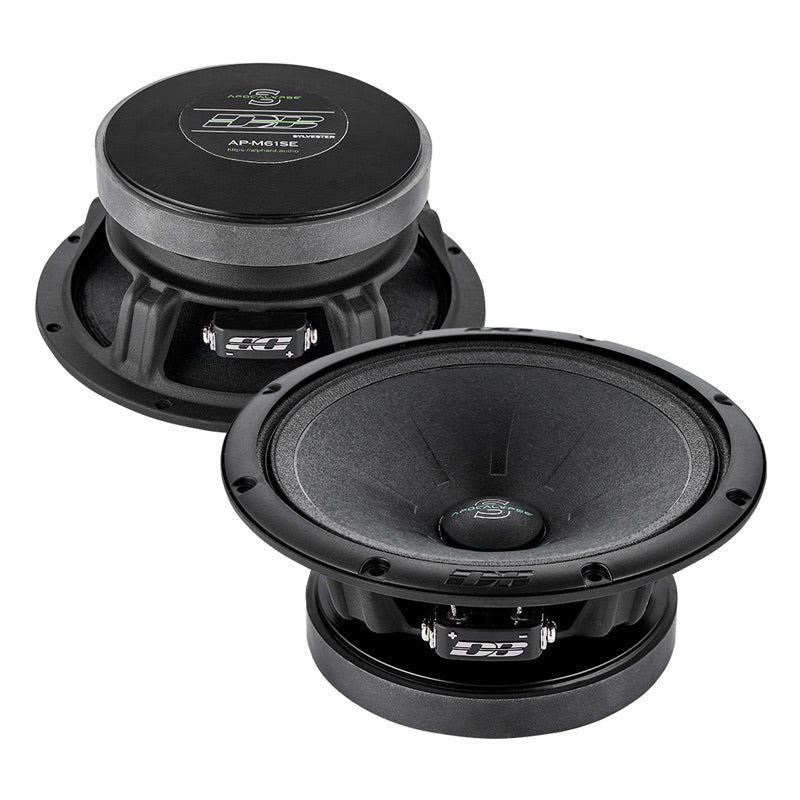
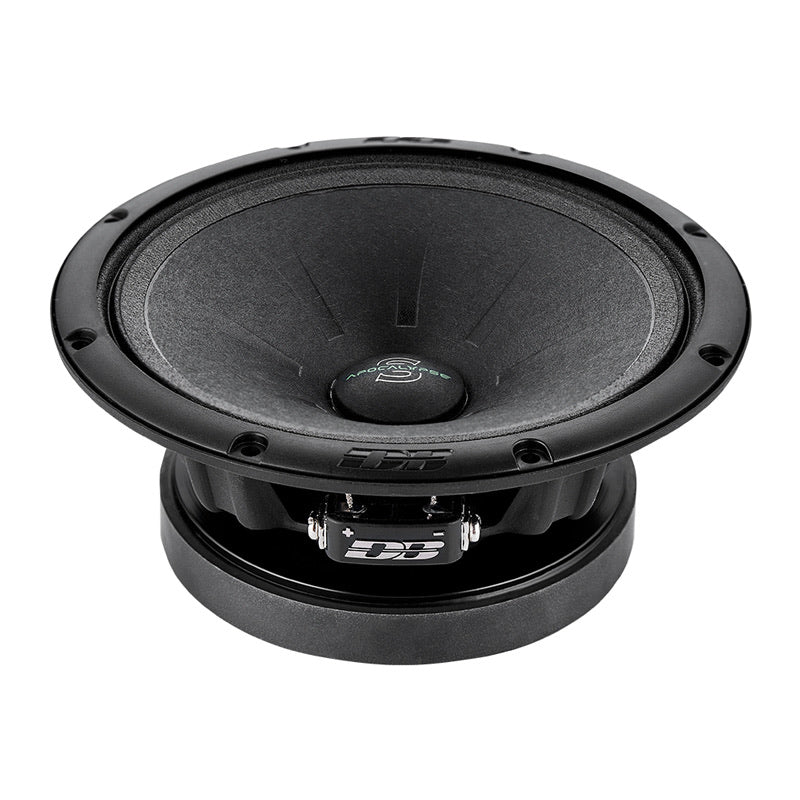
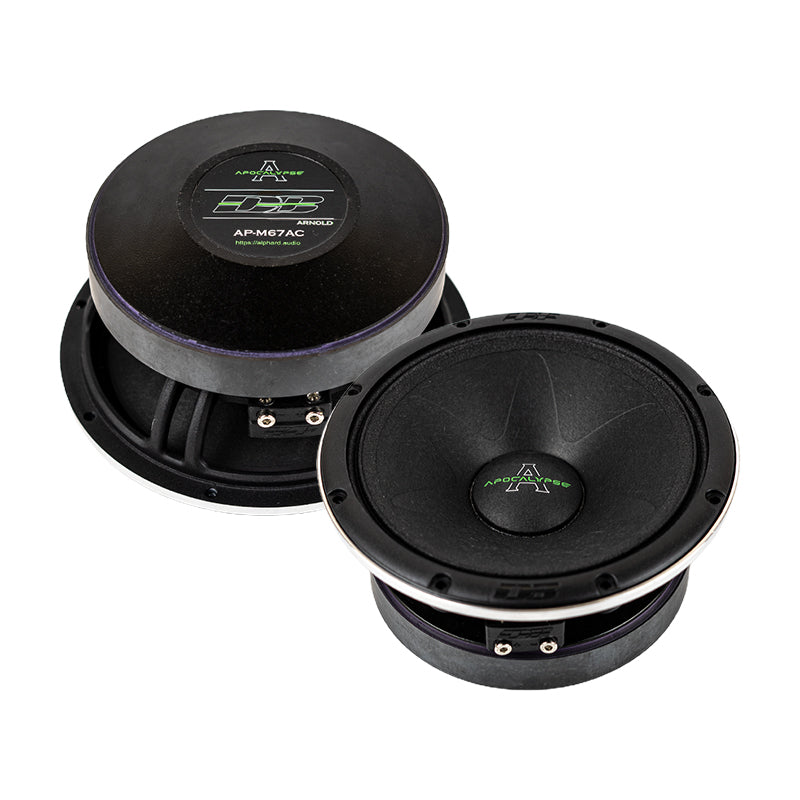
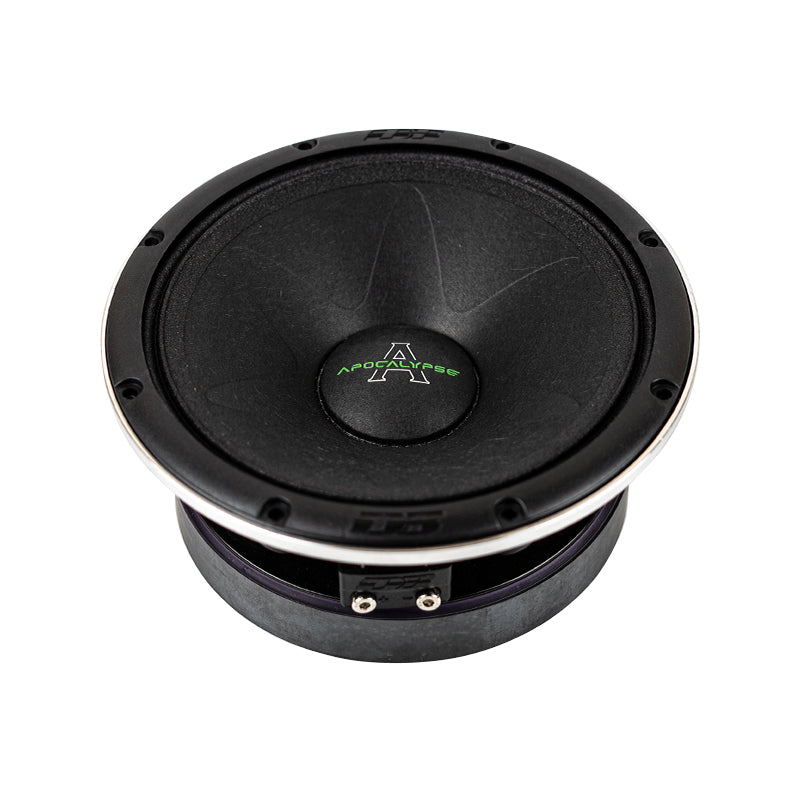
Speakers are mechanical components with moving parts that eventually wear out. Constant vibration, extreme temperature swings, and humidity take a toll on the materials.
-
Dry Rot: Foam or rubber surrounds can dry out and crack, causing the "fluttering" sound often mistaken for a blown speaker.
-
Cone Softening: Over time, cones lose their stiffness, leading to muddy midrange and inaccurate sound.
-
Heat Stress: Voice coils can weaken after years of high-volume use, reducing overall efficiency.
2. Wiring Degradation and Corrosion
Wiring issues are perhaps the most overlooked cause of sound loss. Because wires are hidden behind panels and under carpets, "out of sight" often means "out of mind."
-
Oxidized Connections: Moisture can cause copper wiring to oxidize—look for a green or white powdery crust on terminals. This creates resistance, which weakens the signal.
-
Frayed Cables: Doors are high-traffic areas. The constant opening and closing can fray wires inside the door hinge bellows, leading to intermittent sound or "crackling."
-
Loose Grounds: A vibrating car can loosen ground screws, introducing "alternator whine" or buzzing.
3. Amplifier Stress and "Clipping"
As amplifiers age, internal components like capacitors can wear down. If an amp is forced to work too hard due to poor settings, it may experience clipping—a state where the amp tries to deliver more voltage than it has, "cutting off" the tops of the sound waves and causing harsh distortion.

Signs of a struggling amp include:
-
The unit gets excessively hot to the touch.
-
Uneven volume levels between the left and right speakers.
-
Sound "cutting out" during heavy bass hits.
4. Factory Head Unit Limitations
Most factory head units are built for cost-efficiency rather than long-term high performance. As internal electronics age, the output voltage can drop. This sends a "dirty" or weak signal to your speakers, resulting in a dull soundstage and a lack of dynamic range.
5. Environmental Factors & Cabin Rattles
The inside of a car is a harsh environment. Heat weakens adhesives, and dust can settle into the voice coil gap of a speaker, causing a "scratchy" sound. Furthermore, as a vehicle ages, interior plastic clips loosen. These interior rattles often mask clean audio, making you think the speakers are failing when it's actually just a loose door panel vibrating.
💡 The "Quick Fix" Checklist
Before you spend money on new gear, check these three things:
-
Reset your EQ: Sometimes a battery change resets your head unit to "Flat." Re-adjusting your Bass/Treble settings can bring life back instantly.
-
Check "Loudness" Settings: Many factory units have a "Loud" or "Source Level" setting that may have been toggled off.
-
Tighten Door Screws: A simple turn of a screwdriver on door panels can often eliminate "phantom" speaker distortion.
How to Diagnose the Issue?
Effective troubleshooting starts with isolation:
-
Isolate the Speaker: Use the Balance/Fader settings to listen to each speaker individually.
-
Check the Source: Switch from Bluetooth to a high-quality CD or USB drive to see if the "bad sound" is actually just a poor streaming connection.
-
Inspect the Ground: Ensure the amplifier ground wire is tight and touching bare metal.
When Upgrading Makes Sense
If your speakers have physical damage (like cracked surrounds) or your amplifier is consistently overheating, it is time for an upgrade. Modern aftermarket components use materials like polypropylene, silk, and Kevlar that are designed to withstand the harsh car environment much better than factory paper cones.
If you’re ready to bring the clarity back to your commute, explore the professional-grade speakers, amplifiers, and wiring kits at Elite Auto Gear. Replacing even a single weak link can transform your entire listening experience.