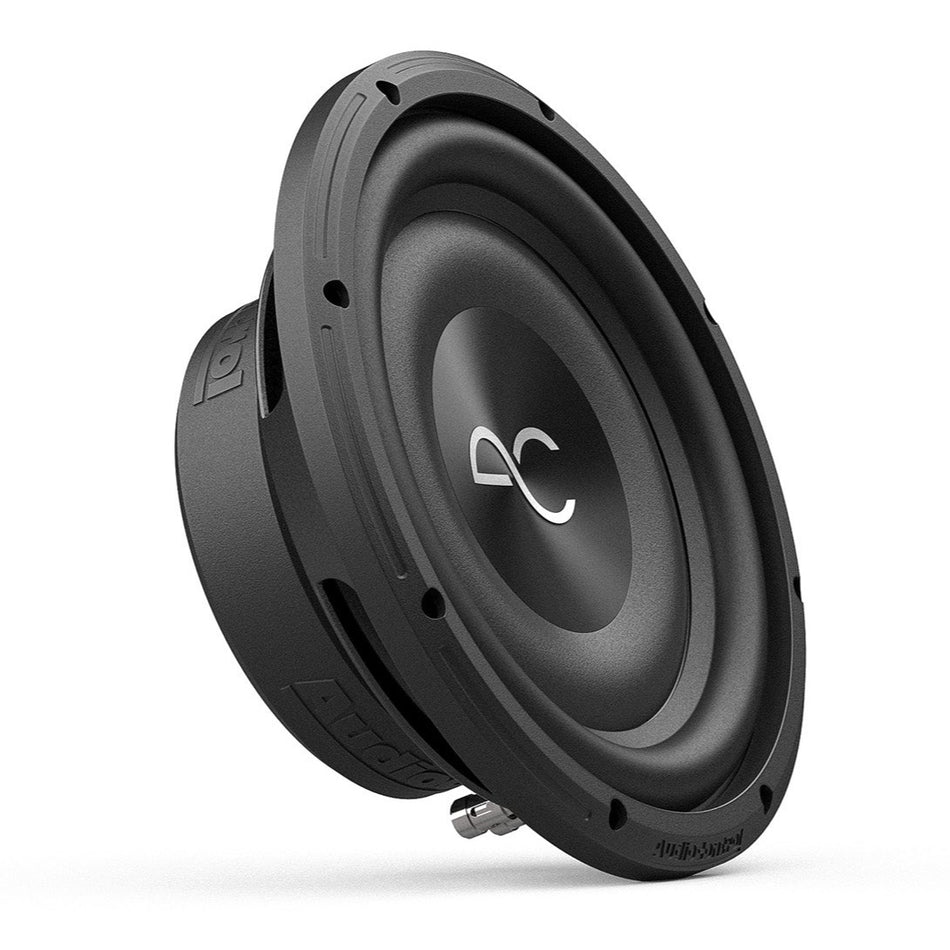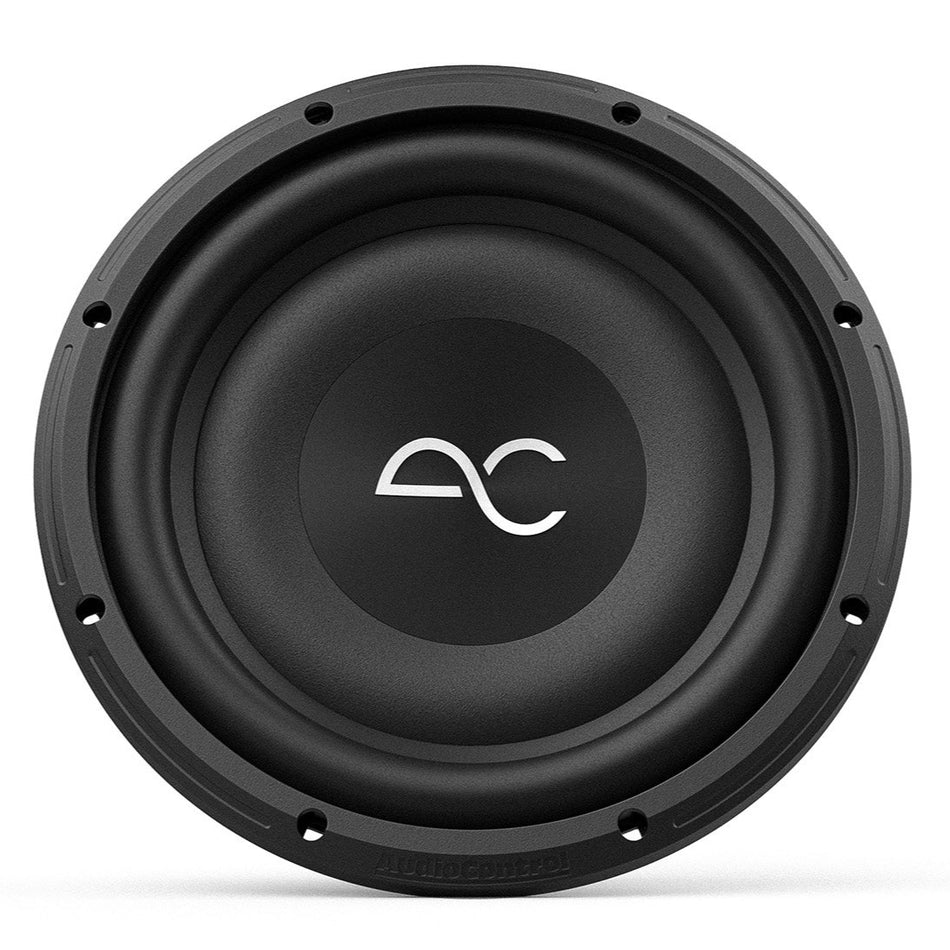

For anyone building a better car audio system, few upgrades transform the experience like adding a subwoofer. The depth, weight, and richness a sub brings are impossible to recreate with door speakers alone. But once you decide to add low-frequency support, the next question is just as important: should you run a single subwoofer or a dual-sub setup? Each option shapes bass delivery differently, influencing loudness, accuracy, and overall vehicle acoustics.
Understanding the strengths of both configurations makes choosing the right setup much easier. Vehicle size, listening habits, music preference, and available power all play a role in determining which layout fits your goals.
Why Subwoofer Quantity Matters
A subwoofer’s job is straightforward: move large amounts of air to create low-frequency energy. However, adding a second sub doesn’t simply double loudness—it changes how bass interacts with the vehicle’s cabin. This is why the single vs dual subs debate matters so much. Placement, phase alignment, amplifier load, and enclosure type all influence the end result.
Before getting into the differences, it’s helpful to understand how sound behaves inside a car. Bass waves are long, and they interact heavily with surfaces, passengers, and interior materials. A second subwoofer changes the acoustic environment dramatically, and depending on your goals, that can be an advantage or a drawback.
What to Expect from a Single Subwoofer Setup?
A single subwoofer remains the most popular option for daily drivers. It provides strong output, deeper musical detail, and efficient use of space. Many systems using one high-quality 10", 12", or 15" sub can outperform dual setups built with weaker components.
Benefits of a Single Subwoofer
A single sub is easier to tune because you’re dealing with only one bass source. You avoid phase alignment issues, mismatched signals, or uneven cabin response. A single high-performance driver also requires less power, wiring, and enclosure volume, which keeps installation cleaner and more budget-friendly.
When a Single Subwoofer Makes Sense
For tighter musical styles like jazz, R&B, classic rock, vocals, and acoustic genres, a single sub delivers excellent accuracy. Smaller vehicles such as coupes or hatchbacks naturally amplify low frequencies, making one sub more than sufficient. This setup is ideal for drivers who want bass presence without losing valuable cargo space.
Bass Output and Performance Expectations
One well-powered sub provides balanced performance across most frequencies. While it may not hit competition-level SPL numbers, it offers a controlled response suitable for everyday music listening. It also pairs well with a mono amplifier rated for clean RMS power, ensuring reliable long-term use.
What a Dual Subwoofer Setup Brings to the Table
Dual subwoofers change the dynamic of the entire system. Two subs can produce more air movement, wider dispersion, and stronger overall bass presence. This is why many enthusiasts and bass-heavy music fans explore dual setups as part of their car subwoofer guide.
Benefits of Dual Subwoofers
Dual subs create fuller bass coverage throughout the cabin. They can hit lower frequencies with more authority, reducing the strain on each driver. Because two subs share the workload, distortion decreases when playing at higher volumes. This translates into increased clarity and improved bass layering.
When Dual Subs Are the Better Choice
If you listen to hip-hop, EDM, trap, or any bass-focused genres, dual subs offer a much more immersive experience. Larger vehicles such as SUVs, trucks, and sedans often benefit from dual setups since they have more cabin volume to fill. Drivers seeking both SPL and sound quality also favor dual designs.
Bass Output Differences You’ll Notice
Dual subs excel at delivering high-impact bass that feels as strong as it sounds. You’ll notice increased punch during kick drums, deeper extension on low sub-bass tracks, and more consistent pressure across the seating positions. This is where bass output differences become most obvious.
With proper tuning, the result is smoother, louder, and more dynamic performance.
Practical Considerations Before Choosing One or Two Subs

While performance matters, practical factors also influence your decision.
1. Vehicle Space
A single 12" sub can fit in compact enclosures, while dual subs require noticeably more room. For drivers who need trunk space for daily use, a single enclosure may be the ideal balance.
2. Amplifier and Electrical Demands
Two subs typically require:
-
A more powerful amplifier
-
More current
-
Stronger electrical support (Big 3 upgrade, AGM battery, or additional capacitors)
If your electrical system is stock, a single subwoofer is easier to power safely.
3. Budget Considerations
Dual setups cost more overall due to the extra driver, enclosure complexity, and amplifier requirements. Single setups remain the best value for balanced bass improvement without overspending.
4. Tuning and System Complexity
Dual subs require careful attention to:
-
Phase alignment
-
Subsonic filter settings
-
Gain staging
-
Enclosure symmetry
While not necessarily difficult, tuning becomes more detailed compared to a single-sub layout.
Subwoofer Setup Comparison Table
|
Feature |
Single Subwoofer |
Dual Subwoofers |
|---|---|---|
|
Bass Output |
Strong & balanced |
Louder, deeper, wider |
|
Space Needed |
Minimal |
High |
|
System Complexity |
Easy |
Moderate to advanced |
|
Power Demand |
Lower |
Higher |
|
Best For |
Daily driving & accuracy |
Bass-heavy music & large cabins |
Choosing the Right Setup for Your Listening Style
Your personal preference plays the biggest role in this decision. If clarity, accuracy, and minimal space consumption matter most, a single subwoofer delivers everything you need. Many high-end systems rely on one well-built enclosure paired with clean power for a refined bass response.
If you’re after impact, energy, and a more aggressive low-frequency presence, dual subs offer the immersive experience most bass enthusiasts crave. They fill the vehicle with sound, handle higher loads, and maintain stability even during demanding tracks.
By aligning your music taste, budget, and available space, you can confidently decide which configuration matches your goals.
When Upgrading Your Subwoofers Makes Sense
If your current system distorts at high volume, lacks depth, or feels uneven across the cabin, your subwoofer setup may not be meeting your needs. Upgrading to a higher-quality single driver or switching to a dual-sub configuration can transform the system into something much more responsive and enjoyable.
When it’s time for quality components, you can explore dependable subwoofers, enclosures, and amplifiers from Elite Auto Gear, where well-matched options make it easier to build a strong, reliable low-frequency foundation.