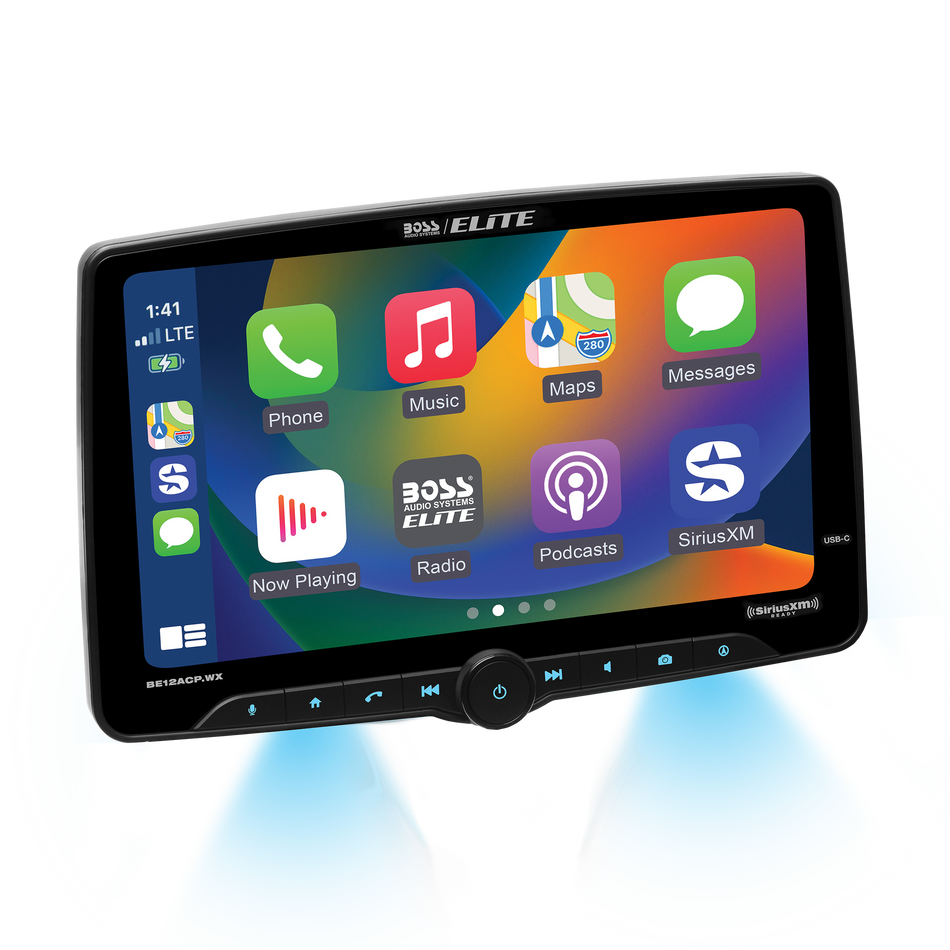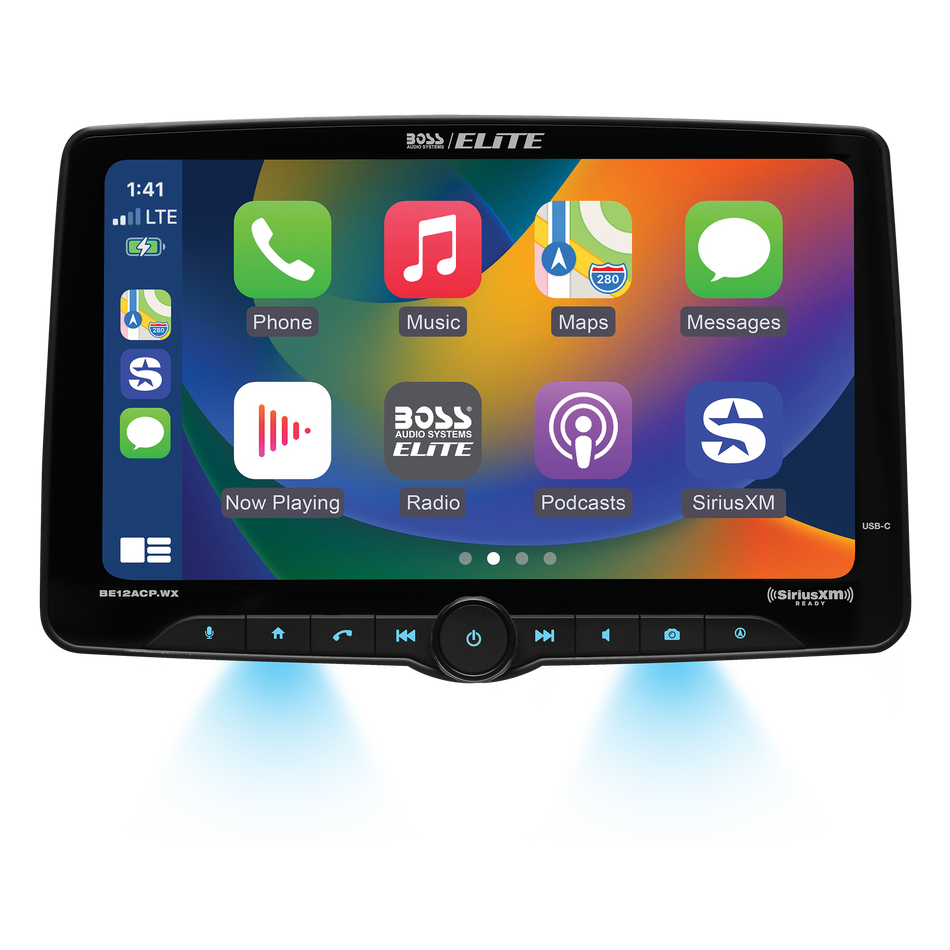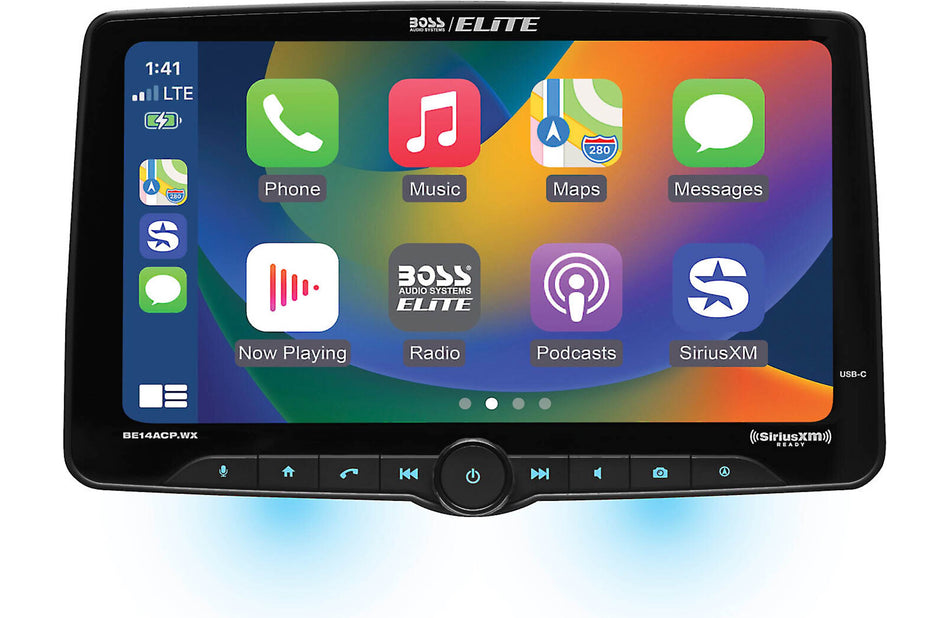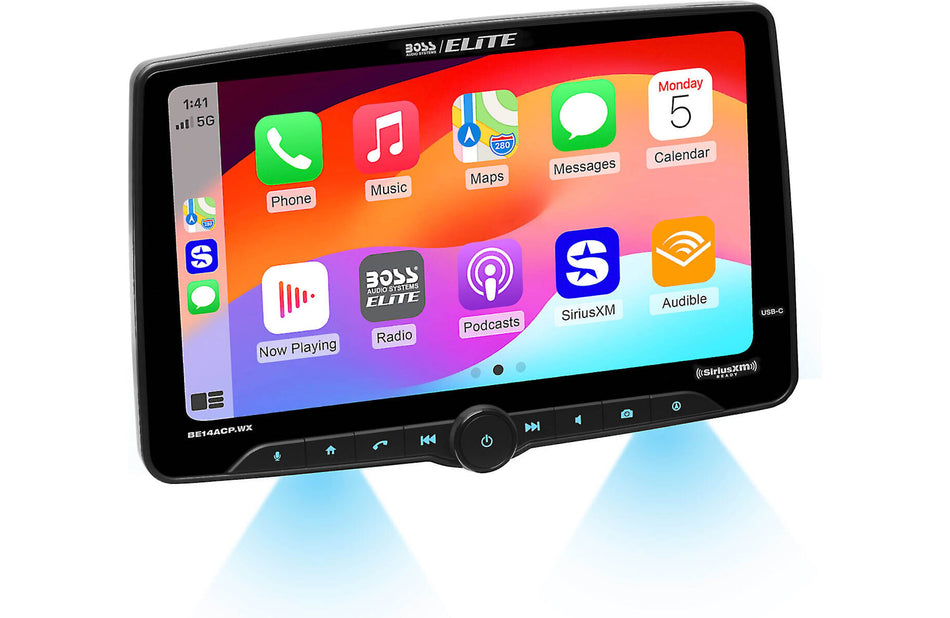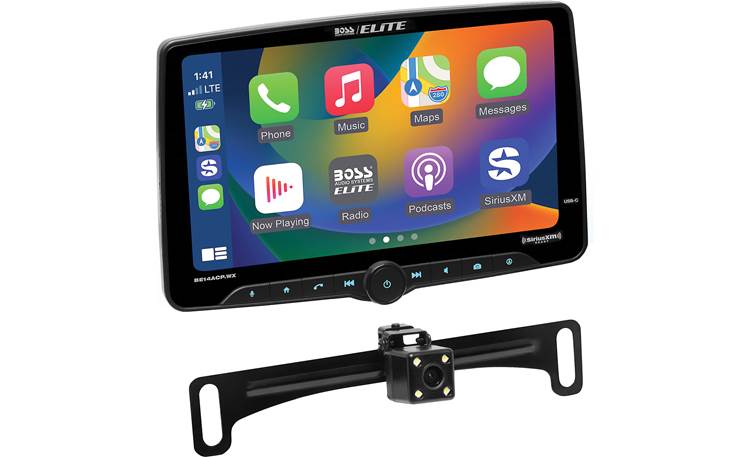

Modern car audio is no longer limited to radio stations, CDs, or USB drives. Today, most listening happens through Bluetooth connections and streaming platforms. From playlists to podcasts, drivers expect instant access to music without interruptions. Integrating Bluetooth and streaming services into a car audio system is now essential for convenience, flexibility, and consistent audio performance.
A well-connected system does more than just play music. It maintains stable audio quality, reduces cable dependency, and allows seamless switching between devices. When set up correctly, Bluetooth and streaming integration can feel just as refined as wired connections.
Why Connectivity Matters in Modern Car Audio
Car audio connectivity has become a key part of system design. Drivers want instant access to music without dealing with complex setups or physical media. Bluetooth integration makes this possible by allowing direct wireless connection between a smartphone and the head unit.
Streaming services have also changed listening habits. Platforms provide access to millions of tracks, curated playlists, and personalized recommendations. This means the car audio system must handle constant data streaming without losing clarity or stability. A properly integrated system ensures that convenience does not come at the cost of sound quality.
How Bluetooth Integration Works in Car Audio
Bluetooth technology allows audio signals to be transmitted wirelessly from a mobile device to the car’s head unit. The head unit then processes and sends the signal to the amplifier and speakers. In modern systems, Bluetooth integration is designed to be fast and stable. Once paired, devices often reconnect automatically when the vehicle starts. This removes the need for manual setup every time.

However, the quality of Bluetooth audio depends on several factors, including codec support, signal stability, and head unit processing.
Audio Quality in Bluetooth Streaming
One of the most important concerns with Bluetooth integration is sound quality. Early Bluetooth systems often compressed audio heavily, resulting in loss of detail. Modern systems have improved significantly with advanced codecs.
Higher-quality codecs preserve more audio data, resulting in clearer vocals, better bass definition, and smoother high frequencies. When combined with a properly tuned car audio system, Bluetooth can deliver performance close to wired connections. Still, the final sound depends on the entire system, including speakers, amplifier, and tuning.
Streaming Music in Car Systems
Streaming services have become the primary source of music for many drivers. Platforms offer high-quality audio options, offline downloads, and personalized recommendations based on listening habits.
Car audio systems that support streaming apps directly or through smartphone integration allow users to access music instantly. This removes the need for external storage devices and ensures a constantly updated music library. Stable internet or offline playback ensures uninterrupted listening, especially during long drives.
Benefits of Wireless Audio Connectivity
Bluetooth and streaming integration offer several practical benefits for everyday driving:
- No need for cables or physical media
- Quick pairing and automatic reconnection
- Access to large music libraries instantly
- Easy switching between music, calls, and navigation
- Cleaner dashboard setup with fewer wires
These advantages make wireless connectivity a standard feature in modern car audio systems.
Maintaining Audio Quality in Wireless Systems
While Bluetooth is convenient, maintaining sound quality requires proper system setup. A poorly configured system can introduce compression artifacts, delay, or reduced clarity. To maintain good audio performance, the system should be tuned carefully. Equalization settings should avoid overcompensating for perceived weaknesses in streaming audio. Instead, tuning should focus on balance and clarity. A high-quality head unit also plays a key role in preserving signal integrity before it reaches the amplifier and speakers.
Role of the Head Unit in Connectivity
The head unit acts as the control center for Bluetooth and streaming services. It manages pairing, signal decoding, and audio output. A well-designed unit ensures stable connections and smooth playback.

Modern head units often support multiple devices, allowing drivers to switch between phones or users without reconnecting each time. Some systems also support voice control and app integration for safer operation while driving. A reliable head unit improves both convenience and overall audio consistency.
Common Bluetooth Audio Issues and Fixes
Even with modern systems, some issues can affect performance. Common problems include audio lag, connection drops, or reduced sound quality.
These issues can often be reduced by:
-
Keeping firmware and software updated
-
Ensuring devices are within a stable range
-
Avoiding interference from other wireless devices
-
Using high-quality streaming settings in apps
Proper system setup minimizes disruptions and ensures smoother playback.
Streaming vs Wired Connections
While Bluetooth is highly convenient, wired connections still offer advantages in certain situations. Wired setups typically provide slightly higher audio fidelity and lower latency.
However, modern Bluetooth systems have narrowed this gap significantly. For most everyday listening, the difference is minimal when the system is properly tuned. The choice often comes down to convenience versus absolute maximum audio performance.
Optimizing Streaming for Better Sound
Streaming quality can vary depending on settings and network conditions. To get the best performance from a car audio system, it helps to use high-quality streaming options when available. Offline downloads can also improve stability, especially in areas with weak mobile signals. This ensures uninterrupted playback without compression changes during driving. Pairing good streaming settings with proper system tuning results in a more consistent listening experience.
How Connectivity Affects Overall System Balance?
Bluetooth and streaming integration are not just about convenience. They also influence how the entire audio system performs. Poor signal quality or unstable connections can affect clarity and dynamic range. When connectivity is stable, the system can maintain proper balance across frequencies. This ensures that bass, mids, and highs remain consistent regardless of the audio source. A well-integrated system treats wireless audio as a full-quality input rather than a secondary option.
Car Audio ConnectivityFuture
Car audio systems are becoming more connected and intelligent. Wireless integration is evolving to include faster pairing, higher-quality codecs, and deeper app integration.
Future systems are expected to offer even smoother transitions between devices and improved sound processing directly within the head unit. This will further reduce the gap between wired and wireless audio performance. As technology advances, connectivity will become even more central to the car audio experience.
Wireless Audio Integration in Today’s Car Systems
Integrating Bluetooth and streaming services into a car audio system is now essential for modern driving. It combines convenience with performance, allowing drivers to access vast music libraries while maintaining good sound quality.
When properly configured, a connected system delivers stable playback, clear audio, and seamless usability. The key lies in choosing the right head unit, maintaining system balance, and ensuring proper tuning across all components.
A well-integrated setup turns everyday driving into a smooth, connected, and enjoyable listening experience where music is always just a tap away.