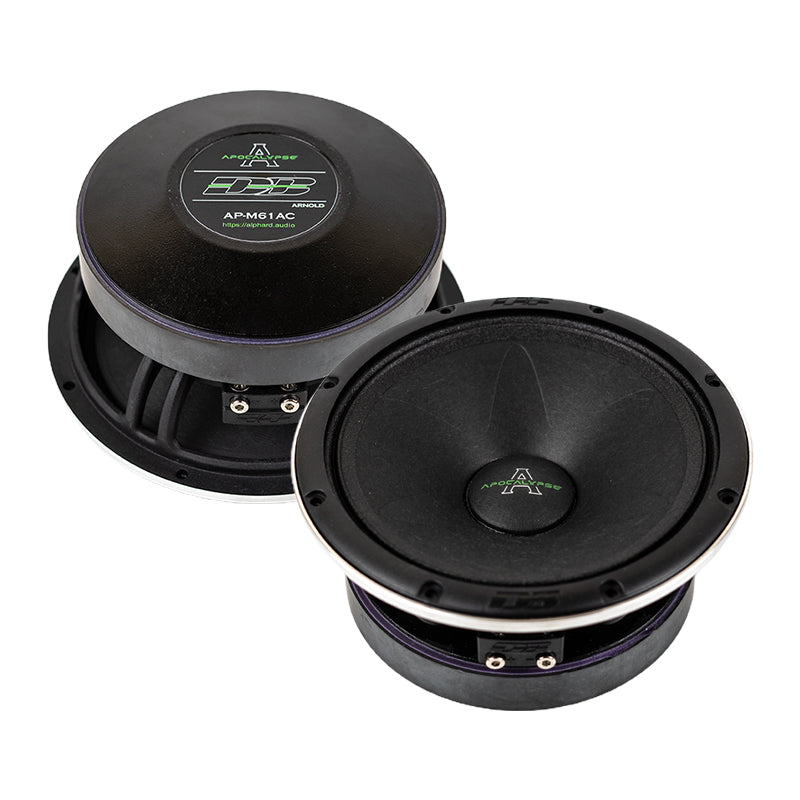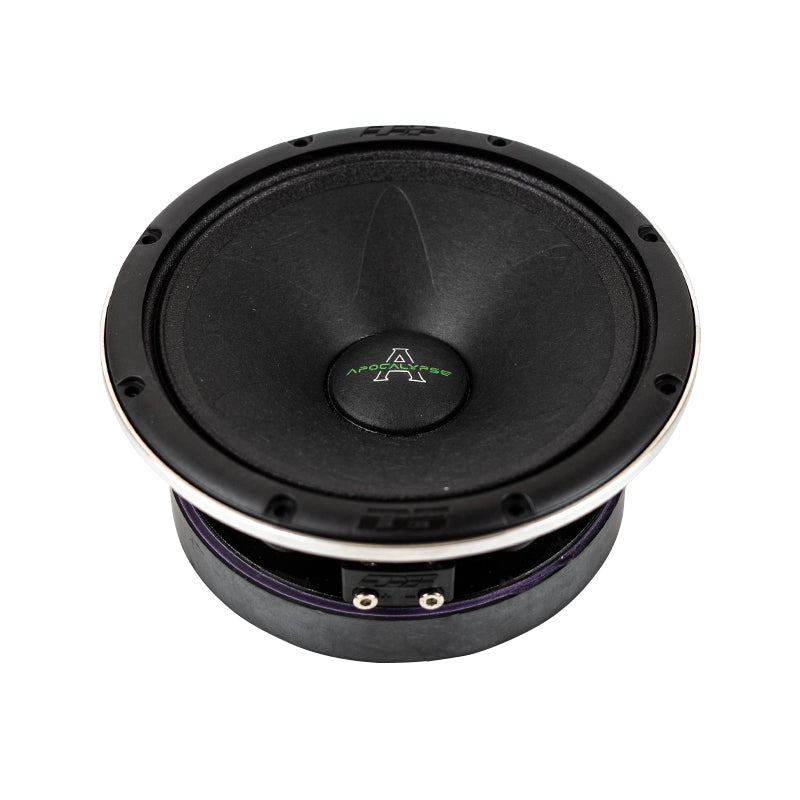

A great car audio system doesn’t rely on booming bass or piercing highs. What makes music feel immersive on the road is balance—each frequency working together so vocals stay clear, instruments sound natural, and bass adds depth without overpowering the cabin. When that balance is off, even expensive equipment can sound tiring or flat.
Achieving proper car audio balance is less about chasing loudness and more about understanding how bass, mids, and highs interact inside a vehicle’s unique acoustic environment.
Understanding the Role of Each Frequency Range
Before adjusting settings, it helps to know what each frequency range contributes to your soundstage.
-
Bass (20–80Hz): Provides impact and depth, felt more than heard
-
Mid-bass and mids (80Hz–2.5kHz): Carry rhythm, vocals, and most instruments
-
Highs (2.5kHz–20kHz): Add detail, clarity, and spatial cues
If one range dominates, the system loses realism. Balanced speaker frequency balance ensures music feels full without sounding muddy or harsh.
Why Car Interiors Affect Audio Balance
Cars are small, reflective spaces filled with glass, plastic, and metal. Unlike home listening rooms, sound waves bounce aggressively, causing peaks and dips in certain frequencies.

Common challenges include:
-
Bass buildup in trunks or rear cabins
-
Midrange loss from door-mounted speakers
-
Harsh highs reflecting off windshields
This makes bass mids highs tuning especially important in vehicles. What sounds fine at low volume may fall apart once you turn the system up.
Setting a Proper Soundstage First
Before touching the EQ, focus on soundstage setup. The goal is to make music feel like it’s coming from in front of you, not from doors or the trunk.
Steps to improve soundstage:
-
Adjust fader slightly toward the front speakers
-
Center balance unless one side is noticeably louder
-
Ensure tweeters are aimed toward ear level if possible
A correct soundstage creates a foundation where EQ adjustments actually work instead of fighting poor speaker placement.
How to Tune Bass Without Overpowering the System
Bass is often the first thing people adjust—and the most commonly overdone. Excessive bass masks midrange detail and strains speakers.
For clean bass balance:
-
Set subwoofer low-pass filter between 70–90Hz
-
Avoid maxing out bass boost
-
Match subwoofer gain to front speakers, not volume preference
Bass should support the music, not dominate it. When tuned correctly, low frequencies feel tight and controlled rather than boomy.
Dialing in Mids for Clarity and Presence
Mids are the heart of music. Vocals, guitars, piano, and snare drums all live here. If mids are recessed, music sounds hollow. If boosted too much, it becomes shouty.
Tips for midrange tuning:
-
Keep EQ adjustments subtle (±2–3 dB)
-
Avoid deep cuts around 500Hz unless necessary
-
Listen to vocals first when tuning mids
Strong mids anchor your system and make car audio EQ balance feel natural across genres.
Adjusting Highs for Detail Without Harshness
High frequencies add air and sparkle, but they’re also the most fatiguing if overdone. Windshield reflections can exaggerate highs, especially in smaller vehicles.
To balance highs:
-
Reduce treble slightly if cymbals sound sharp
-
Avoid boosting above 10kHz excessively
-
Let tweeter placement do the work instead of EQ
Well-balanced highs improve detail without drawing attention to themselves.
Using EQ the Right Way
Graphic and parametric EQs are powerful tools—but only when used carefully. Large boosts usually indicate an underlying problem such as speaker placement or poor crossover settings.
Best practices for EQ:
-
Start flat and adjust gradually
-
Cut before boosting when possible
-
Use reference tracks you know well
The goal isn’t a dramatic curve, but a smooth response that supports all listening levels.
Crossover Settings Matter More Than EQ
Crossovers define which frequencies each speaker handles. Poor crossover settings cause overlap or gaps, hurting overall balance.

General guidelines:
-
Subwoofer: low-pass at 70–90Hz
-
Door speakers: high-pass around 80–100Hz
-
Tweeters: follow manufacturer recommendations
Proper crossover tuning reduces distortion and improves speaker frequency balance more effectively than aggressive EQ changes.
Common Mistakes That Ruin Audio Balance
Even good systems lose balance due to simple errors:
-
Turning bass boost to maximum
-
Ignoring gain structure on amplifiers
-
Over-tuning EQ for one genre only
-
Compensating for poor speakers with extreme settings
Balanced sound should hold up whether you’re listening to hip-hop, rock, or podcasts.
When Upgrading Helps Achieve Better Balance
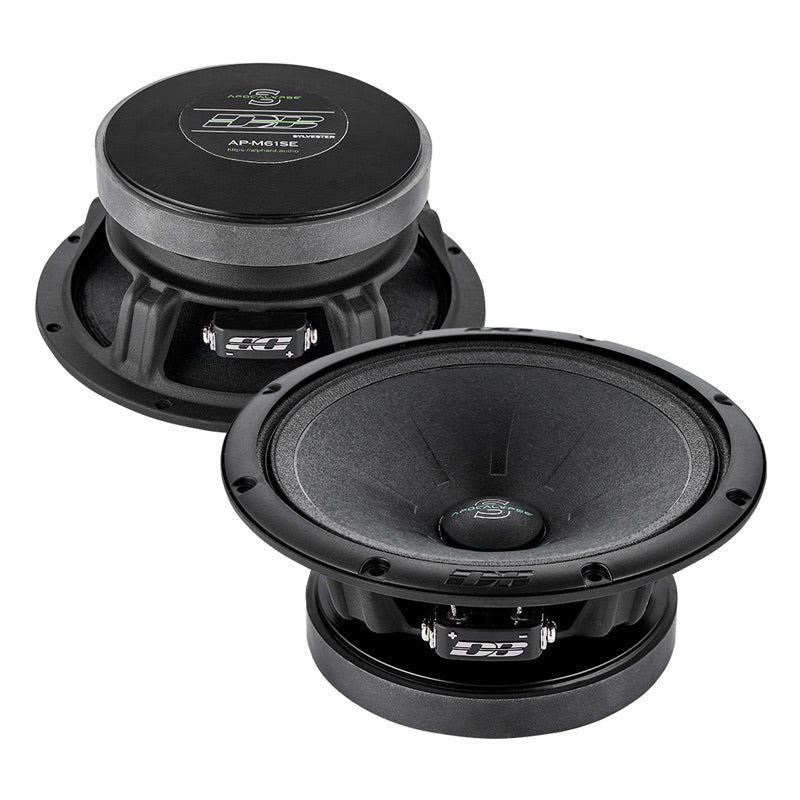
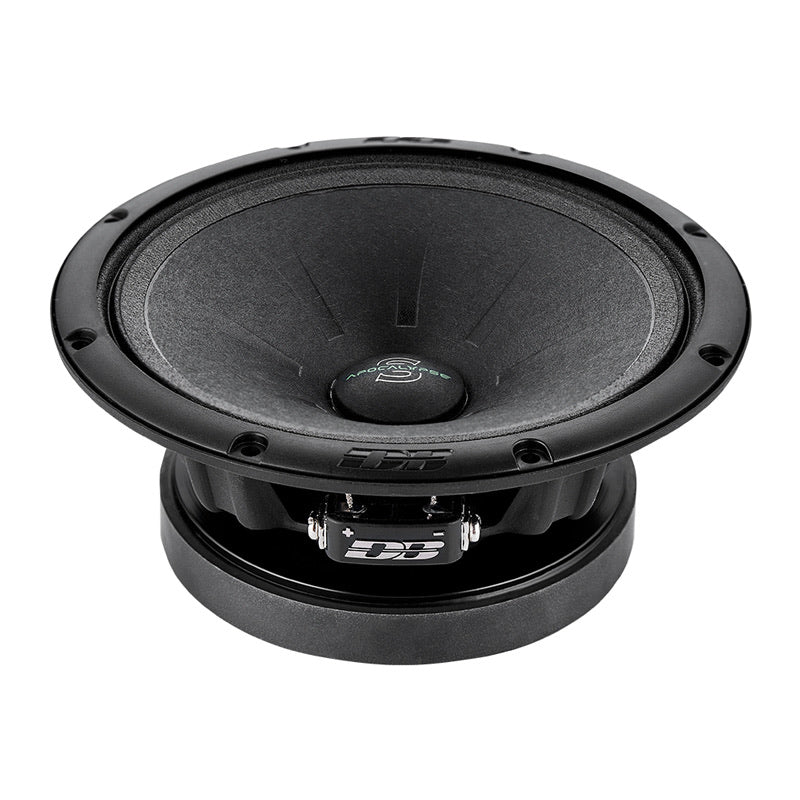
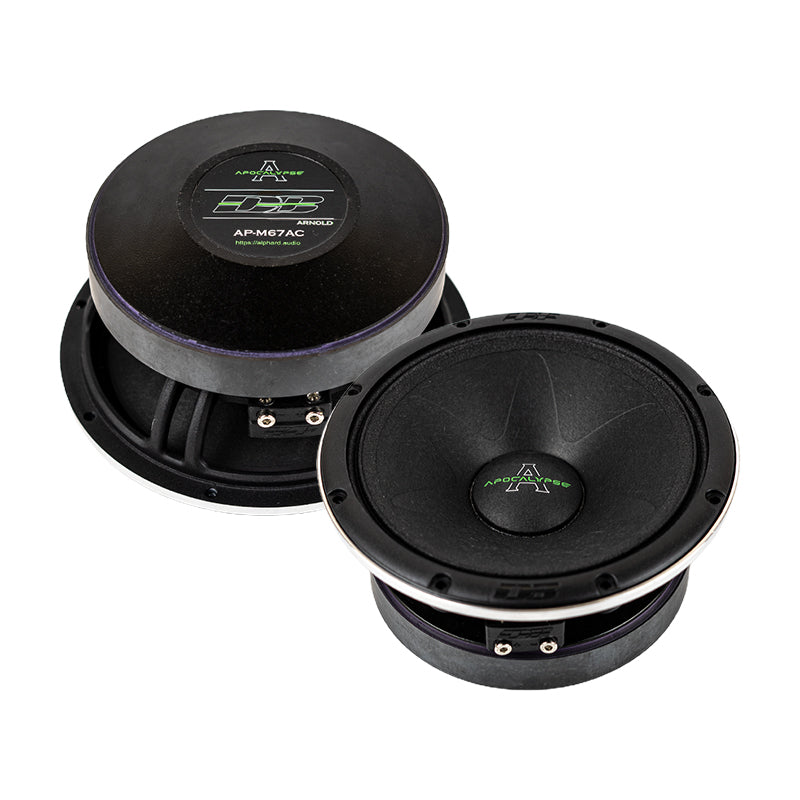
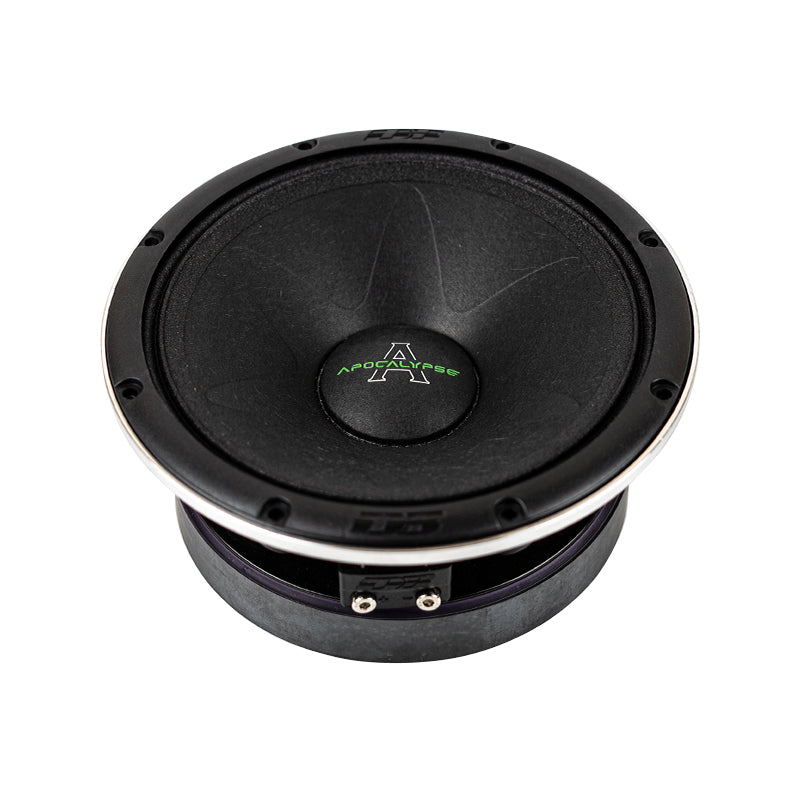
Sometimes tuning alone isn’t enough. Factory speakers often lack midrange clarity and frequency control. Upgrading speakers, amplifiers, or adding sound treatment can dramatically improve balance and reduce the need for heavy EQ.
Quality speakers, amplifiers, and tuning-friendly components from Elite Auto Gear help create a system that responds accurately to adjustments, making balanced sound easier to achieve and maintain.
A well-balanced car audio system doesn’t shout—it communicates. When bass, mids, and highs work together, music feels effortless, detailed, and engaging at any volume. With careful tuning, smart crossover settings, and realistic expectations, true car audio balance is achievable in any vehicle.