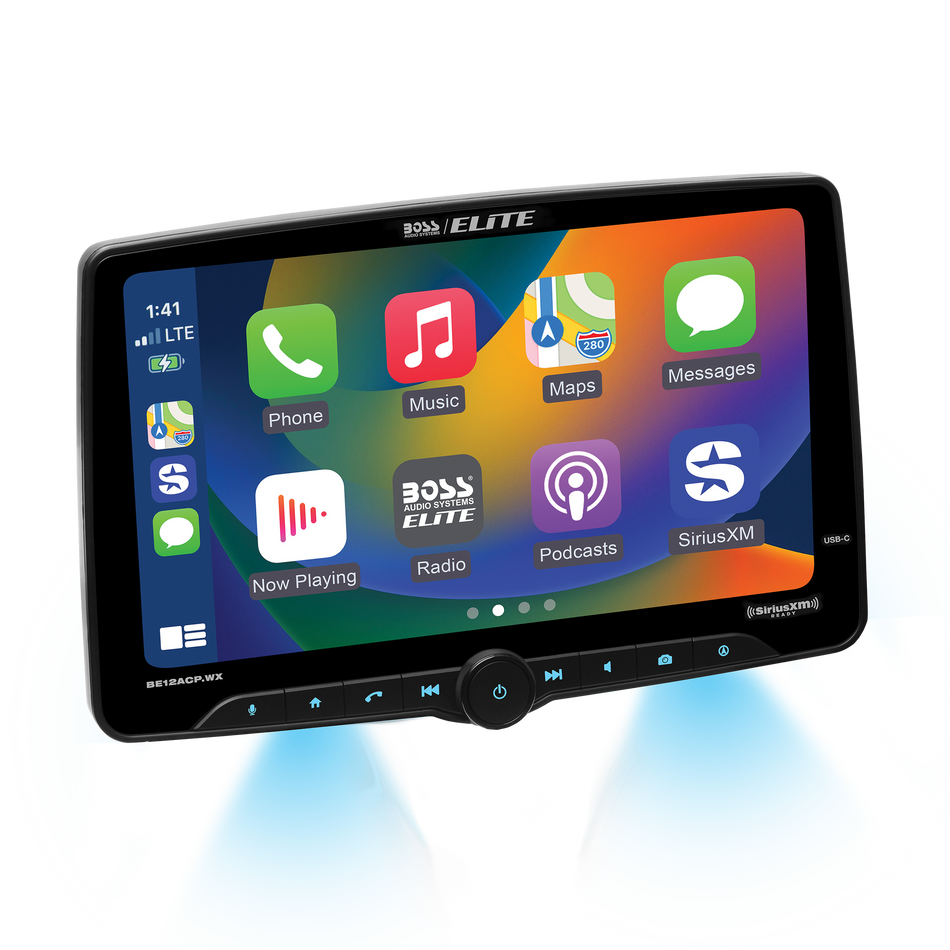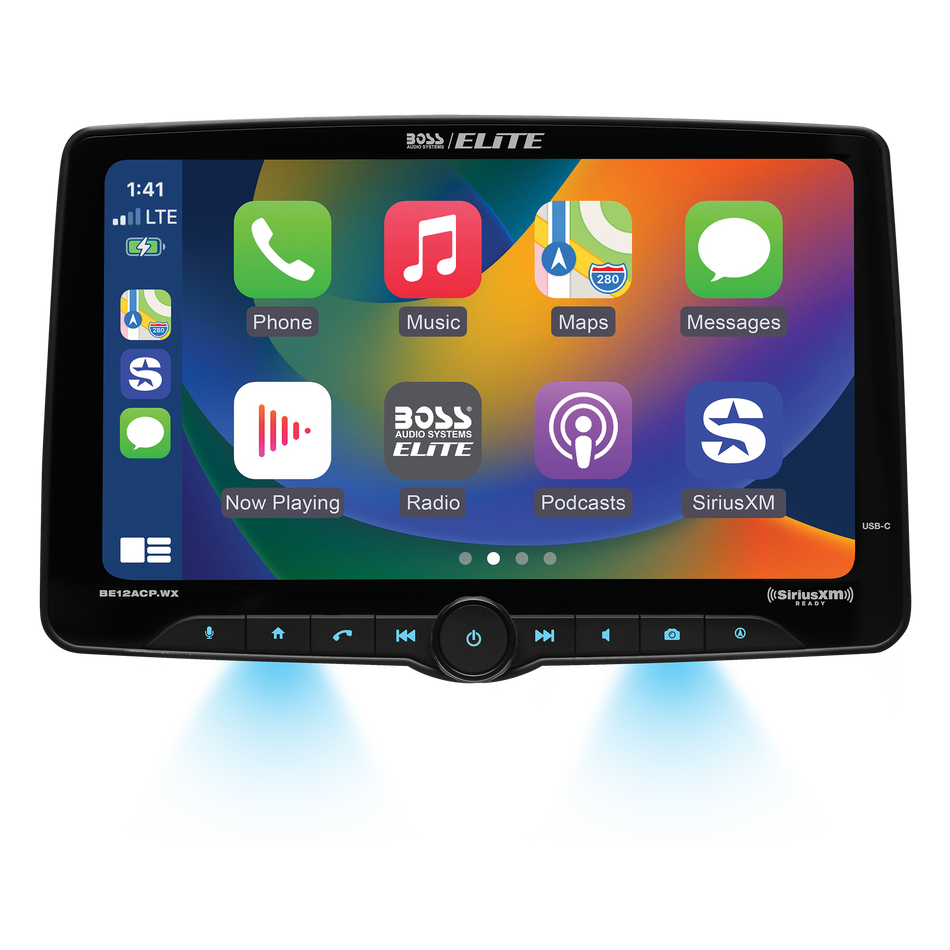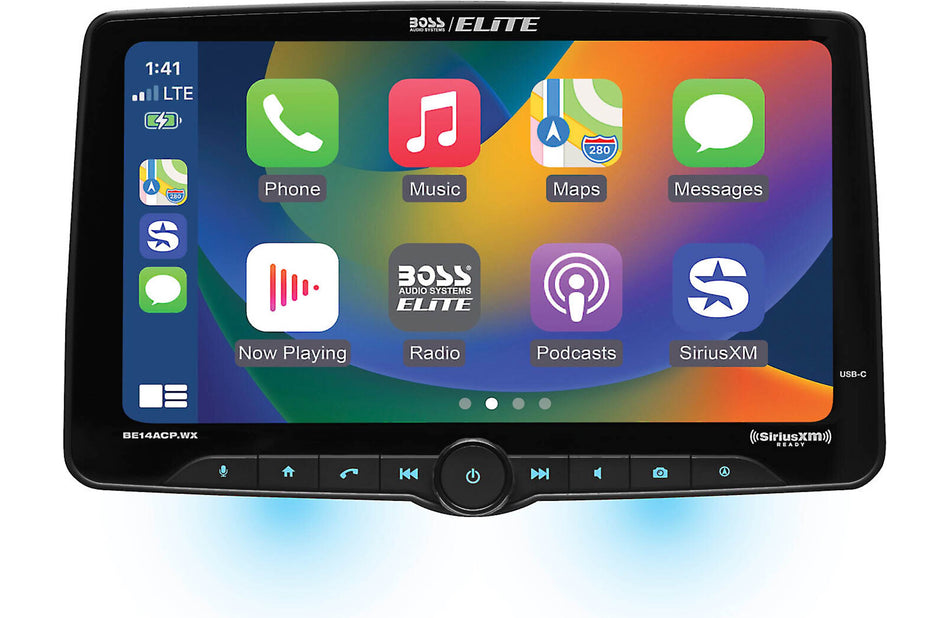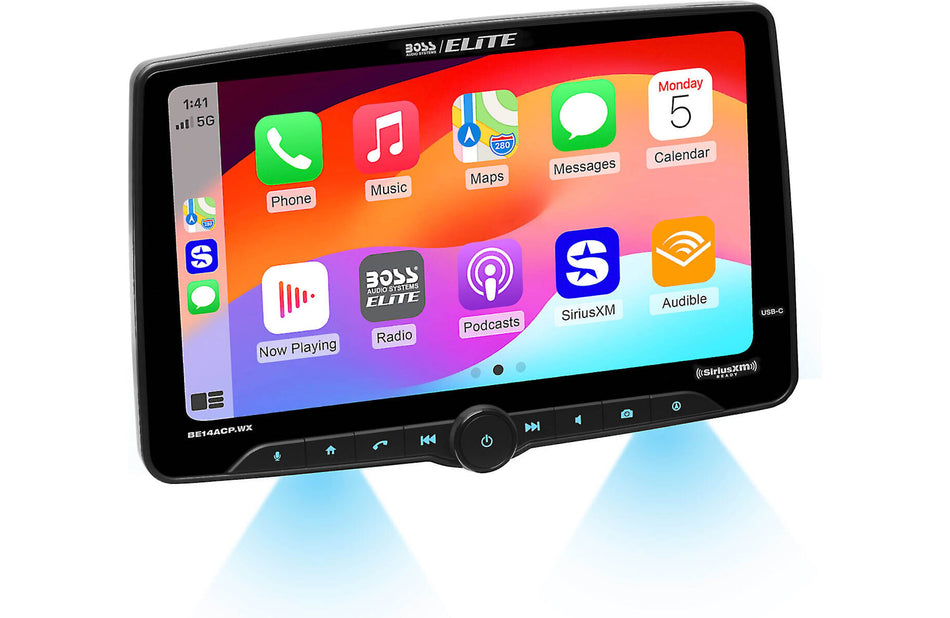

Car audio technology continues to evolve, and the head unit remains the control center of the entire system. It manages music sources, navigation, phone integration, and signal processing while acting as the main interface drivers interact with daily. With new models appearing every year, choosing the right head unit features in 2026 requires more than focusing on screen size or flashy graphics. Sound quality, system control, and usability all matter.
Modern vehicles rely on digital ecosystems that combine entertainment, connectivity, and performance tuning. The right head unit can unlock better audio clarity, simplify driving tasks, and support future upgrades without forcing a complete system rebuild.
Why the Head Unit Still Matters in Modern Car Audio
Some drivers assume speakers and amplifiers determine sound quality alone. In reality, the head unit influences everything that happens downstream. Signal strength, processing accuracy, and digital compatibility all start at this component.

A weak source signal limits even the best amplifiers and speakers. Conversely, a high quality head unit provides clean audio output, stable connectivity, and flexible tuning options. This is why experienced installers treat the head unit as the foundation of a well balanced car audio system.
Seamless Smartphone Integration
Smartphone integration has become essential for daily driving. Systems that support CarPlay Android Auto allow drivers to access navigation, calls, music streaming, and messaging directly from the dashboard.
The best units in 2026 prioritize wireless connectivity. Wireless pairing eliminates the need for constant cable connections while maintaining stable audio streaming. Voice control also improves safety by reducing the need to interact with the screen while driving.
A well implemented smartphone interface should launch quickly, maintain stable connections, and respond instantly to commands. These factors matter more than decorative interface animations.
Integrated DSP for Precision Sound Control
Integrated DSP headunit technology has become one of the most valuable features in modern car audio systems. Digital signal processing allows drivers and installers to tune sound with greater accuracy than traditional tone controls.
A quality DSP system includes adjustable crossovers, time alignment, and multi band equalization. These tools help correct speaker placement challenges inside vehicle cabins where distances between speakers and listeners vary.
With proper tuning, integrated DSP improves imaging, balances frequencies, and ensures every speaker performs within its ideal range. Systems that include built in DSP reduce the need for external processors and simplify installation.
High Resolution Audio Playback
Music streaming services and digital libraries now offer higher quality files than standard compressed audio formats. High resolution playback support ensures that these files retain their detail and dynamic range.
Head units capable of high res playback typically support formats such as FLAC, WAV, and other lossless files. When paired with quality speakers and amplifiers, these formats deliver cleaner highs, more natural vocals, and tighter bass response.
Drivers who enjoy detailed music reproduction benefit greatly from head units that prioritize audio fidelity rather than basic playback compatibility.
Touchscreen vs Knobs: Finding the Right Balance
Large touchscreen displays dominate modern dashboards, but physical controls still play an important role in usability. Touchscreen interfaces allow flexible menus, customizable layouts, and advanced navigation features.

However, relying entirely on touch input can become frustrating during driving. Physical knobs and buttons provide quick access to volume control and essential adjustments without taking eyes off the road. The most practical head units combine both approaches. A responsive touchscreen paired with tactile controls offers convenience while maintaining safety and ease of use.
Display Quality and Visibility
Screen clarity affects how easily drivers interact with their head unit. Brightness, anti glare coatings, and viewing angles determine how readable the display remains under sunlight.
Modern head units often feature high resolution displays with improved color accuracy and contrast. These enhancements make navigation maps clearer and media information easier to read.
Display responsiveness also matters. Laggy interfaces create frustration and reduce the overall driving experience.
Expandability for Future Upgrades
A good head unit should support future system expansion. Preamp outputs, camera inputs, and amplifier integration options allow users to build more advanced systems over time. Three or more preamp outputs provide flexibility for front, rear, and subwoofer channels. This setup allows separate amplification and finer tuning control.
Drivers planning long term upgrades benefit from head units designed with expandable connectivity rather than limited factory style outputs.
Advanced Connectivity Options
Connectivity in 2026 extends beyond simple Bluetooth pairing. Modern head units often support WiFi connections, cloud based services, and firmware updates that add new features over time.
Multiple USB ports allow simultaneous device charging and media playback. Some models also support wireless screen mirroring, enabling passengers to display compatible apps or videos.
Reliable connectivity ensures the system remains useful as digital services evolve.
Built In Navigation vs Smartphone Navigation
Navigation remains an important feature for many drivers. Built in navigation systems operate independently of mobile networks and provide reliable directions even in areas with limited coverage.
Smartphone based navigation, however, benefits from real time traffic updates and frequent map updates. Drivers must decide which approach fits their usage patterns.
Many modern head units combine both solutions, offering built in navigation while still supporting smartphone navigation apps.
Audio Customization for Different Music Styles
Music preferences vary widely between listeners. Some enjoy bass heavy electronic music while others prefer balanced acoustic recordings. Head units with advanced tuning options allow drivers to customize sound profiles for different genres. Equalizer presets, adjustable crossover points, and subwoofer controls help adapt the system to personal taste.
This flexibility ensures consistent sound quality regardless of music source.
Reliability and Software Stability
A feature rich head unit is only useful if it operates reliably. Software crashes, slow boot times, or unstable connections quickly ruin the driving experience.
Manufacturers that prioritize stable operating systems and regular firmware updates tend to deliver better long term performance. Stability matters as much as advanced functionality. Drivers should prioritize systems with responsive interfaces and proven reliability records.
Why Smart Feature Selection Matters
Choosing a head unit based solely on appearance or brand recognition often leads to disappointment. The most effective systems combine practical connectivity, strong audio processing, and intuitive controls.
For drivers building or upgrading their car audio system, focusing on core capabilities ensures the head unit remains useful for years rather than becoming outdated quickly.
Connectivity, sound control, and usability define the most important head unit features 2026 models offer.
A Balanced Approach to Modern Car Audio
The best head units blend technology with practicality. Clear audio processing, reliable smartphone integration, and flexible system control create an environment where every other component can perform better.
When drivers prioritize meaningful features instead of flashy extras, the result is a dashboard that enhances both entertainment and everyday driving. A well chosen head unit does more than play music. It becomes the command center that shapes the entire in car experience.