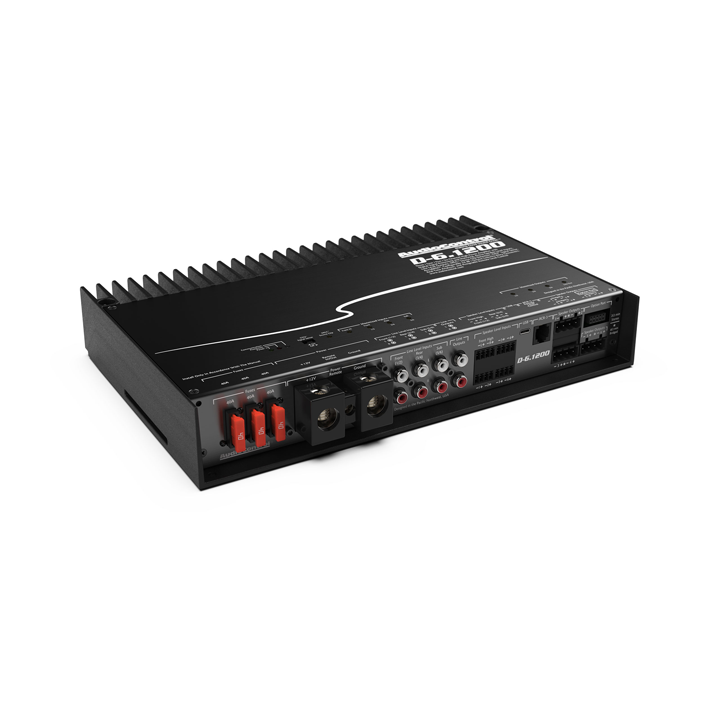

Some car audio systems sound loud at first, but the bass still feels flat, muddy, or unfinished. The subwoofer moves, the mirror shakes, and the trunk may rattle, yet the low notes do not have the texture they should. That missing texture is often what people call hidden bass detail. It is the difference between hearing a soft kick drum and only feeling a heavy thump.
A mono amplifier can make that difference clearer because it gives the subwoofer a dedicated power source built specifically for low frequencies. Instead of asking a factory system or weak amplifier to handle deep bass, a proper subwoofer amp gives the low end more control, cleaner output, and better response at different volume levels.
When the bass is powered correctly, the system does more than get louder. Notes start and stop more cleanly. Deep frequencies feel tighter. The subwoofer blends better with the front speakers. For anyone trying to improve car audio bass without losing bass clarity, adding the right monoblock amplifier can be one of the most valuable upgrades.
Benefits of Monoblock Amplifiers
Monoblock amplifiers are designed specifically for powering subwoofers, making them one of the most effective upgrades for improving low-frequency performance in a car audio system. Rather than splitting power across multiple channels, a mono amplifier dedicates its output to bass reproduction, resulting in stronger, cleaner, and more controlled low-end response.
Some of the main benefits of monoblock amplifiers include:
-
Dedicated power delivery for subwoofers, helping maximize bass performance.
-
Higher efficiency, especially with modern Class D designs that generate less heat.
-
Improved bass clarity and control, allowing notes to sound tighter and more accurate.
-
Greater headroom for handling demanding bass peaks without distortion.
-
Built-in tuning features such as low-pass filters, subsonic filters, and bass boost controls.
-
Better system balance by allowing door speakers to focus on mids and highs.
-
Flexible power options to match everything from daily-driver systems to competition-level builds.
-
Easier bass adjustment through available remote bass level controls on many models.
By giving the subwoofer its own dedicated amplification, a monoblock amplifier can help reveal deeper bass detail, improve overall sound quality, and create a more enjoyable listening experience.
The benefits of monoblock amplifiers go beyond volume. Loud bass is easy to chase, but clean bass takes better system planning. A mono amplifier gives the low end its own power path, which helps the rest of the system stay cleaner and more balanced.
One major benefit is stronger headroom. Headroom means the amplifier has enough available power to handle sudden bass peaks without clipping. Clipping happens when the amplifier is pushed beyond its clean limit, causing harsh distortion that can damage subwoofers and make bass sound rough.
Another benefit is better tuning control. Many mono amps include low-pass filters, subsonic filters, bass boost control, remote bass knobs, and input sensitivity adjustment. These tools help shape the bass so it fits the vehicle, subwoofer enclosure, and listening preference.
A monoblock amplifier can also reduce stress on the rest of the audio system. Door speakers can focus on mids and highs while the subwoofer handles deep bass. That separation often makes the full car audio setup sound cleaner, even if the main goal was stronger bass.
How a Mono Amplifier Improves Bass Clarity
Bass clarity depends on control. A subwoofer cone has to move forward and backward with accuracy. If the amp cannot control that movement well, bass notes can sound loose, boomy, or delayed. This is especially noticeable in fast music where the kick drum and bassline need to stay separate.
A properly matched mono amplifier improves control by supplying the right amount of clean power. The subwoofer can respond faster because it is not being starved for power. This helps create tighter bass with better attack and decay.
Attack is how quickly a bass note starts. Decay is how naturally it fades out. When both are handled well, bass sounds more musical. You hear the shape of the note, not just the pressure in the cabin.
Bass clarity also improves when gain, crossover, and subsonic settings are dialed in correctly. A mono amplifier gives you the tools to make those adjustments, which helps the subwoofer blend with the rest of the system instead of overpowering it.
Matching the Mono Amplifier to the Subwoofer
The best mono amplifier is not always the biggest one. It should match the subwoofer’s RMS rating, impedance, enclosure style, and the goal of the build. A mismatch can cause weak output, distortion, overheating, or damaged equipment.

RMS power is the key number to check. Peak power can look impressive, but RMS tells you what the amplifier or subwoofer can handle continuously. If your subwoofer is rated for 750 watts RMS at 1 ohm, an amp that delivers around that power at the same impedance is usually the better match than an amp far above or below that range.
Impedance matters too. Many monoblock amplifiers are designed to make their highest power at 1 ohm, while others may be better suited for 2 ohm or 4 ohm loads. Before buying a subwoofer amp, check the voice coil configuration of the subwoofer and make sure the final wiring load matches the amplifier safely.
Product Options for Different Bass Goals
Elite Auto Gear carries several mono amplifier options that fit different types of builds. The right choice depends on how much power you need, how much space you have, and whether the system is focused on daily bass, strong output, or competition-style performance.
|
Amplifier |
Best Fit |
Power Focus |
Why It Makes Sense |
|
High-output and competition bass builds |
4000W RMS at 1 ohm |
Strong choice for serious subwoofer systems that need power, control, and advanced tuning features |
|
|
Strong daily or advanced bass builds |
2000W RMS at 1 ohm |
Good option for users who want heavy output with efficient Class D power and included bass control |
|
|
Compact powerful 1-ohm systems |
1300W RMS at 1 ohm |
Useful for space-conscious installs that still need serious low-end strength |
|
|
Moderate daily subwoofer upgrades |
1000W RMS at 1 ohm |
A practical match for many single-sub setups where clean daily bass matters |
|
|
Compact AudioControl bass systems |
750W RMS at 1 ohm |
Great for controlled bass builds that need a compact amp with useful bass adjustment features |
The AudioControl EPIC4000 fits builds where output is the main goal but control still matters. It is better suited for serious bass enthusiasts running demanding subwoofer setups. With features like low-pass filtering, subsonic control, EPIC Boost, and remote level control, it supports both power and tuning flexibility.
The AudioControl EPIC750 is a better fit when the build needs clean bass in a smaller power range. It works well for daily systems where the driver wants a stronger low end without building an extreme setup. Its compact design and bass control features make it useful for a clean subwoofer amp upgrade.
The Stinger MT-2000.1 gives strong power for larger daily systems or users who want more headroom than a basic amp can provide. The Stinger MT-1000.1 works well for moderate systems where a single subwoofer needs reliable power without going overboard. The Deaf Bonce Apocalypse ATOM 1300.1 PRO sits in a strong middle area, offering compact Class D power for builds that need more punch than entry-level setups.
Why Low Frequency Detail Needs More Than Loudness
Low frequency detail is not just about hitting the lowest note possible. It is about hearing differences between bass notes. A clean system lets you notice when a bass guitar changes pitch, when a kick drum has a tight punch, or when an electronic track uses layered sub-bass.
When an amp is underpowered, the subwoofer may struggle to reproduce these details. It might still make noise, but the notes can smear together. When an amp is too powerful and poorly tuned, the system can become aggressive, distorted, or uncontrolled.
A good mono amplifier helps by giving the sub enough clean current to move properly. It also gives the installer control over the frequency range the subwoofer plays. That matters because a subwoofer should not try to play too high into the midbass range or too low below the enclosure’s safe limits.
The Role of the Low-Pass Filter
The low-pass filter tells the subwoofer where to stop playing. For many car audio bass systems, the subwoofer should focus on low frequencies while the door speakers handle vocals, instruments, and upper bass. If the crossover is too high, bass may sound like it is coming from the rear of the vehicle. If it is too low, the system may feel weak or disconnected.
A common starting range is around 70 Hz to 90 Hz, but the best setting depends on the speakers, enclosure, vehicle cabin, and personal preference. Larger door speakers with strong midbass may allow a lower crossover point. Smaller factory speakers may need the subwoofer to help a little higher.
Mono amplifiers with adjustable low-pass filters make this tuning easier. The goal is not just to make the subwoofer loud. The goal is to make it disappear into the system so the bass feels like part of the music, not a separate box in the trunk.
Why the Subsonic Filter Matters
The subsonic filter helps control very low frequencies that may not be useful or safe for the setup. This is especially important with ported enclosures. If a subwoofer receives too much energy below the enclosure tuning frequency, it can move excessively without producing clean output.
That wasted movement can reduce bass clarity and increase the risk of damage. A subsonic filter helps remove those unnecessary ultra-low signals so the subwoofer can focus on usable bass. The result is often tighter output and better control at higher listening levels.
This is one reason serious bass setups benefit from a mono amplifier with proper filtering. Instead of letting every low frequency pass through, the system can be shaped for the subwoofer and enclosure being used.
Remote Bass Control Makes Daily Listening Easier
Many quality monoblock amplifiers include a remote bass control or bass knob. This small control lets the driver adjust subwoofer level from the front seat without changing the entire audio mix.
This is useful because not every song is mastered the same way. Some tracks have heavy low-end energy, while others need a little extra support. A remote knob allows quick adjustment without overusing bass boost or changing EQ settings every time the track changes.
It also helps protect the system. Instead of setting the gain too high to make quiet songs louder, the user can keep the amp tuned safely and use the remote control for small listening adjustments. That keeps bass more controlled and reduces the chance of distortion.
Electrical Support Should Match the Amplifier
A mono amplifier can only perform well if the vehicle’s electrical system supports it. Bigger amps need proper power wire, ground connections, fusing, and sometimes battery or alternator upgrades. Ignoring electrical support can lead to voltage drops, dimming lights, weak output, and amplifier protection issues.
For moderate amps like a 750W or 1000W monoblock, a properly sized wiring kit and clean ground may be enough in many vehicles. For higher power builds, such as 2000W or 4000W RMS systems, electrical planning becomes more serious.
The power wire gauge, fuse rating, battery condition, alternator output, and ground points all matter. A high-quality mono amplifier cannot deliver clean bass if it is being fed unstable voltage. Strong electrical support helps the amp maintain output and keeps bass from sounding compressed or inconsistent.
Enclosure Still Controls the Character of Bass
A mono amplifier can bring out hidden bass details, but the enclosure decides much of the bass character. A sealed box usually produces tighter, more controlled bass. A ported box can create more output and deeper impact, but it must be tuned properly.

If the enclosure is too small, too large, poorly sealed, or tuned incorrectly, the amp cannot fully fix the problem. The subwoofer may sound boomy, weak, or uneven. For low frequency detail, the enclosure should match the subwoofer’s recommended airspace and the type of sound the listener wants.
This is why system planning matters. The amplifier, subwoofer, enclosure, and vehicle cabin all work together. A well-matched 1000W setup can sound cleaner and more enjoyable than a poorly matched 3000W setup.
Common Mistakes When Adding a Subwoofer Amp
One common mistake is treating gain like a bass volume knob. Gain should match the amplifier input to the source signal. Setting it too high can cause clipping, even if the amp has plenty of power.
Another mistake is adding too much bass boost. Bass boost can be useful in small amounts, especially when the amp gives control over the frequency range, but too much boost can overload the subwoofer and make bass muddy. It can also hide the details you were trying to bring out.
Poor grounding is another major issue. A weak ground can create noise, reduce power delivery, and cause performance problems. The ground point should be clean, tight, and connected to solid metal.
Using the wrong impedance load is also risky. If an amplifier is stable at 1 ohm, that does not mean every wiring setup is safe. Always match the subwoofer wiring to the amplifier’s rated capability.
When a Mono Amplifier Is the Right Upgrade
A mono amplifier is the right upgrade when the subwoofer sounds weak, uncontrolled, or distorted from limited power. It is also a smart choice when the system needs dedicated bass tuning instead of relying on the factory radio or a small built-in amplifier.
It makes sense for drivers who want stronger car audio bass while keeping vocals and mids clear. By moving subwoofer duty to a dedicated amp, the system can be tuned more cleanly. The front speakers can handle the upper range, while the mono amp gives the low end the power it needs.
It is also useful when upgrading from a basic powered subwoofer to a more serious sub and enclosure setup. A dedicated monoblock amplifier gives more flexibility, more output potential, and better long-term upgrade options.
Choosing the Right Power Level
For a simple daily system, a 750W to 1000W mono amplifier can be enough to make a major difference. This range works well for many single-subwoofer setups, especially when the enclosure is built correctly and the goal is clean bass rather than extreme loudness.
For stronger daily bass or multiple-sub setups, a 1300W to 2000W monoblock can offer more headroom. This allows the system to play louder without working at its limit all the time. More headroom often means cleaner bass when tuned responsibly.
For competition-style systems or serious high-output builds, a 4000W monoblock like the AudioControl EPIC4000 belongs in a more advanced plan. At that level, the subwoofer setup, enclosure, wiring, batteries, alternator support, and tuning all need to be carefully matched.
Building Bass That Sounds Deeper, Cleaner, and More Controlled
Adding a mono amplifier is not only about making the subwoofer louder. The bigger value is control. With the right subwoofer amp, bass can become tighter, more detailed, and easier to blend with the rest of the system.
Hidden bass details start to show when the subwoofer receives clean power, the filters are set correctly, and the enclosure supports the sound you want. A kick drum gains punch. Bass guitar notes become easier to follow. Deep electronic bass feels stronger without turning into noise.
For drivers building around brands like AudioControl, Stinger, and Deaf Bonce, the best choice depends on the target power level and system design. A compact EPIC750 build, a balanced MT-1000.1 setup, a stronger ATOM 1300.1 PRO or MT-2000.1 system, and a competition-focused EPIC4000 build all serve different needs.
The smartest upgrade is the one that matches the subwoofer, enclosure, vehicle, and listening style. When everything works together, a mono amplifier can reveal the bass details that were always in the music but never fully reached the cabin.