
If you’ve been exploring better sound for your car, you’ve probably come across the term DAC. It sounds technical, but it plays a simple and important role in how your music actually reaches your ears. Before adding one to your system, it’s worth understanding what it does and whether it will make a real difference for you.
What Is a DAC in Car Audio?
A DAC (Digital-to-Analog Converter) is responsible for converting digital audio signals into analog signals that your speakers can play. Every digital source is your phone, USB drive, or streaming app which produces digital data. Your speakers, however, only understand analog signals. That conversion step is where a DAC comes in.
In a DAC car audio system, this conversion happens either inside your head unit or through an external device. Without it, there would be no sound at all—just data.
Where Is the DAC in Your Current Setup?
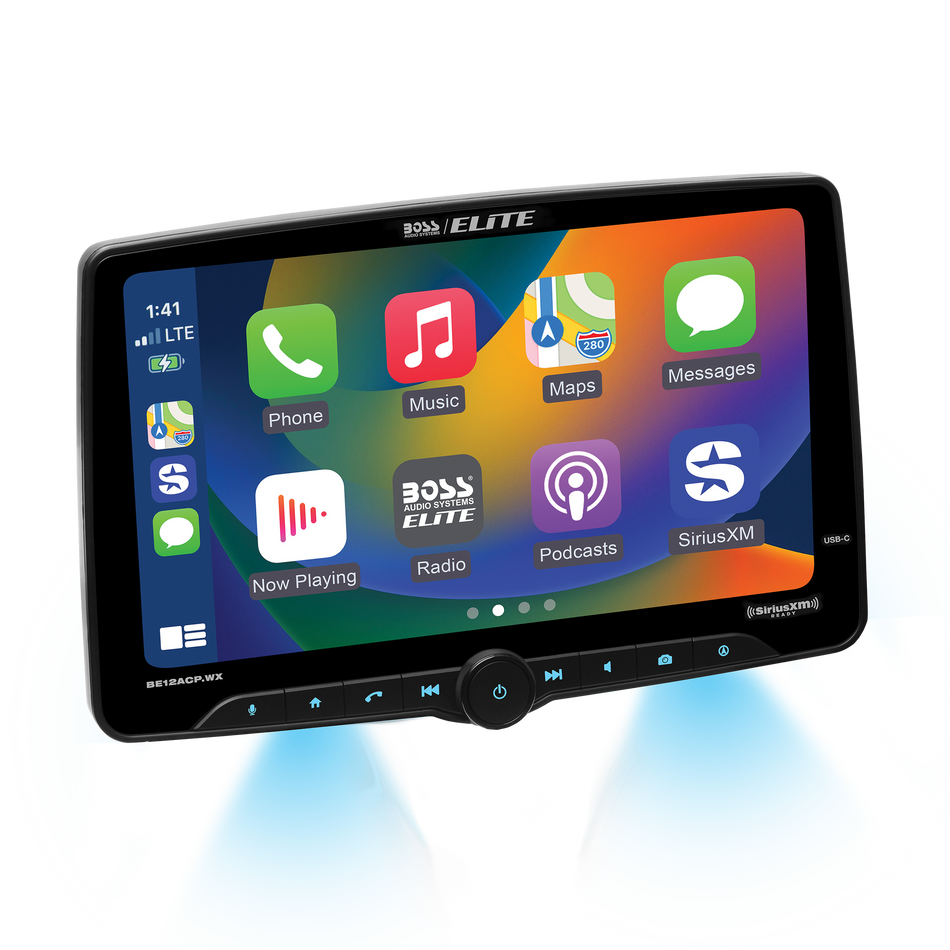
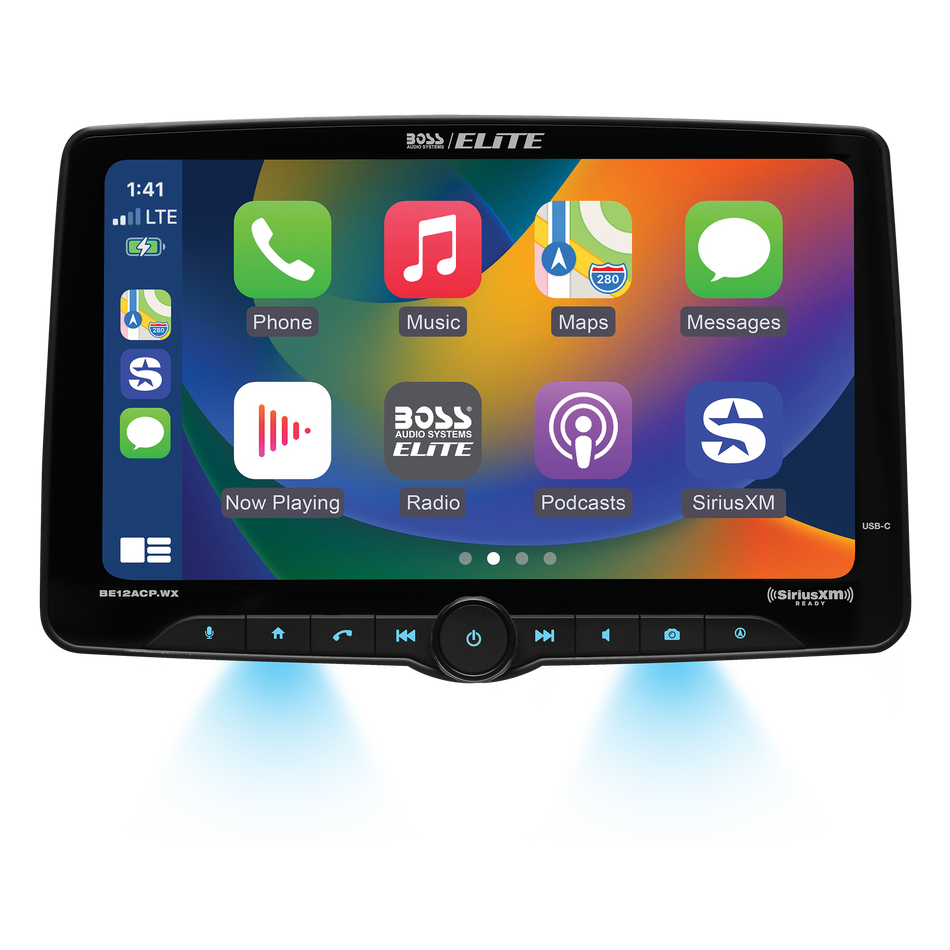
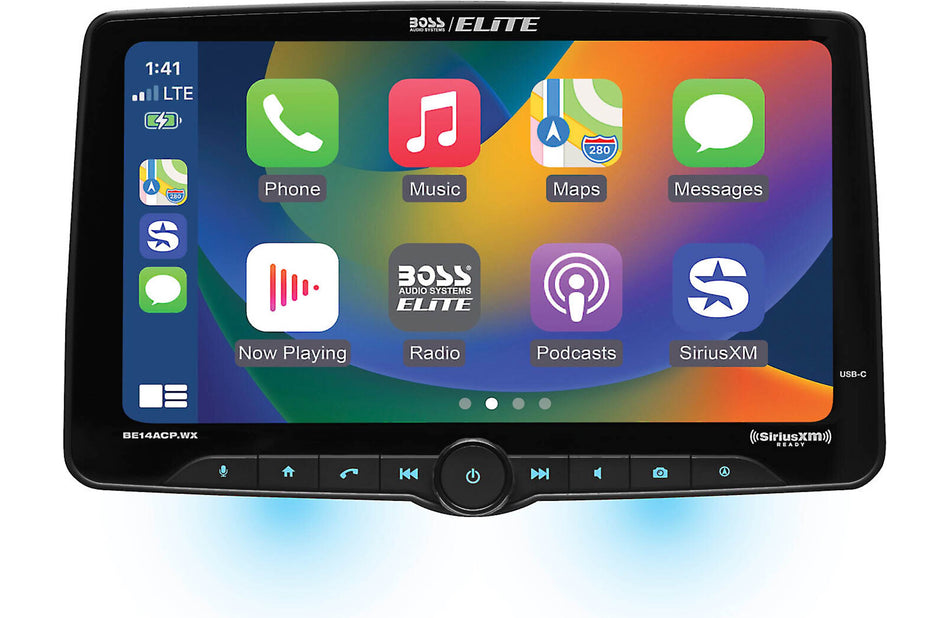
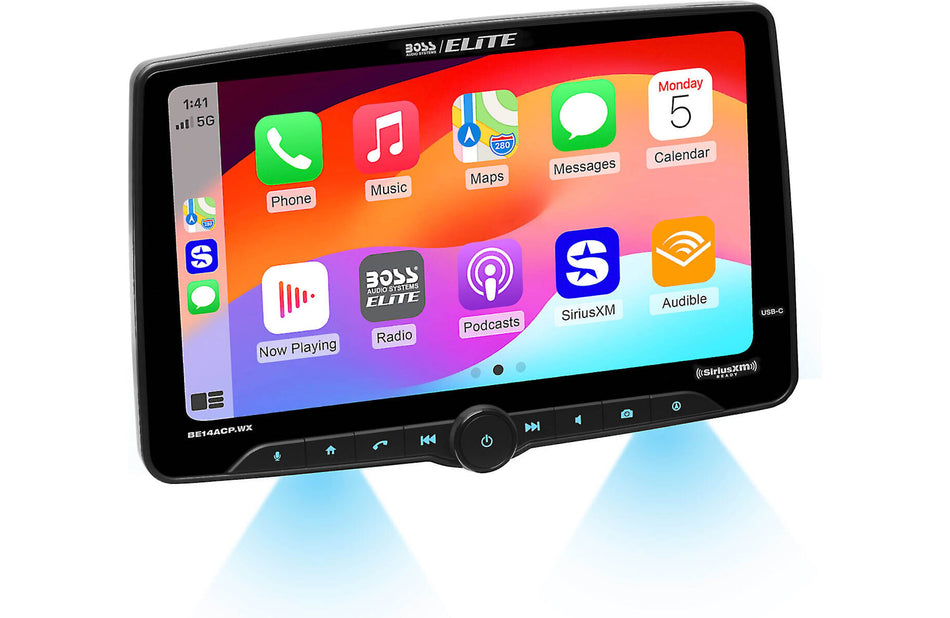
Most people already have a DAC without realizing it. It’s built into:
- Your car’s head unit
- Your smartphone
- Some amplifiers or DSP units
The real question isn’t whether you have a DAC, but how good it is. Factory systems and budget head units often use basic DACs designed for convenience, not sound quality.
What Does a Better DAC Actually Improve?
Upgrading to a higher-quality digital analog converter car stereo setup can improve:
- Clarity → cleaner vocals and instruments
- Detail → more noticeable layers in music
- Noise reduction → less distortion and interference
- Dynamic range → better difference between soft and loud sounds
However, these improvements are only noticeable if the rest of your system can reveal them.
DAC vs Head Unit Audio: What’s the Difference?
A common debate is DAC vs head unit audio. Here’s a simple comparison:
| Feature | Built-in Head Unit DAC | External DAC Car Audio |
|---|---|---|
| Convenience | High (plug and play) | Moderate (extra setup) |
| Sound Quality | Average to good | Higher potential quality |
| Control | Limited tuning | More precise output |
| Cost | Included in system | Additional expense |
| Upgrade Flexibility | Limited | High |
An external DAC gives you cleaner signal output before it reaches your amplifier, but only if the rest of your system is capable of taking advantage of it.
When Do You Actually Need an External DAC?
Not every system needs an upgrade. An external DAC car audio setup makes sense if:
- You stream high-quality audio (lossless or high bitrate)
- Your system already has good speakers and amplification
- You notice distortion or lack of clarity from your current setup
- You want a more refined and controlled listening experience
On the other hand, if you’re running a basic factory system, adding a DAC alone won’t transform your sound.
USB DAC and Streaming Music in Car
With modern setups, a USB DAC car sound quality upgrade is becoming more common. Instead of relying on Bluetooth compression, a USB DAC allows:
- Direct digital signal from your phone
- Higher audio resolution
- More stable and consistent performance
This is especially useful if you care about streaming music in car without losing quality due to wireless limitations.
Biggest Mistake Beginners Make
One of the most common car audio beginner tips 2026 still applies here:
Don’t upgrade the source before fixing the system basics.
If your speakers are weak or your system lacks proper amplification, a DAC upgrade will be barely noticeable. In many cases, upgrading speakers or adding an amplifier gives a much bigger improvement.
Should You Add a DAC to Your System?
Here’s a quick decision guide:
| Situation | Do You Need a DAC? |
|---|---|
| Factory system, no amp | ❌ No |
| Basic speaker upgrade only | ❌ Not yet |
| Amplified system with good speakers | ✅ Maybe |
| High-end system with tuning goals | ✅ Yes |
| Audiophile-level listening focus | ✅ Definitely |
Summary
A DAC is an essential part of every audio system, but upgrading it is not always necessary. It becomes valuable when the rest of your setup is already strong enough to reveal the difference.
Think of it as a refinement tool, not a starting point. If your system is already balanced and powerful, a DAC can unlock more detail and clarity. If not, your money is better spent building a solid foundation first.
In the end, better sound doesn’t come from a single component—it comes from how everything works together.