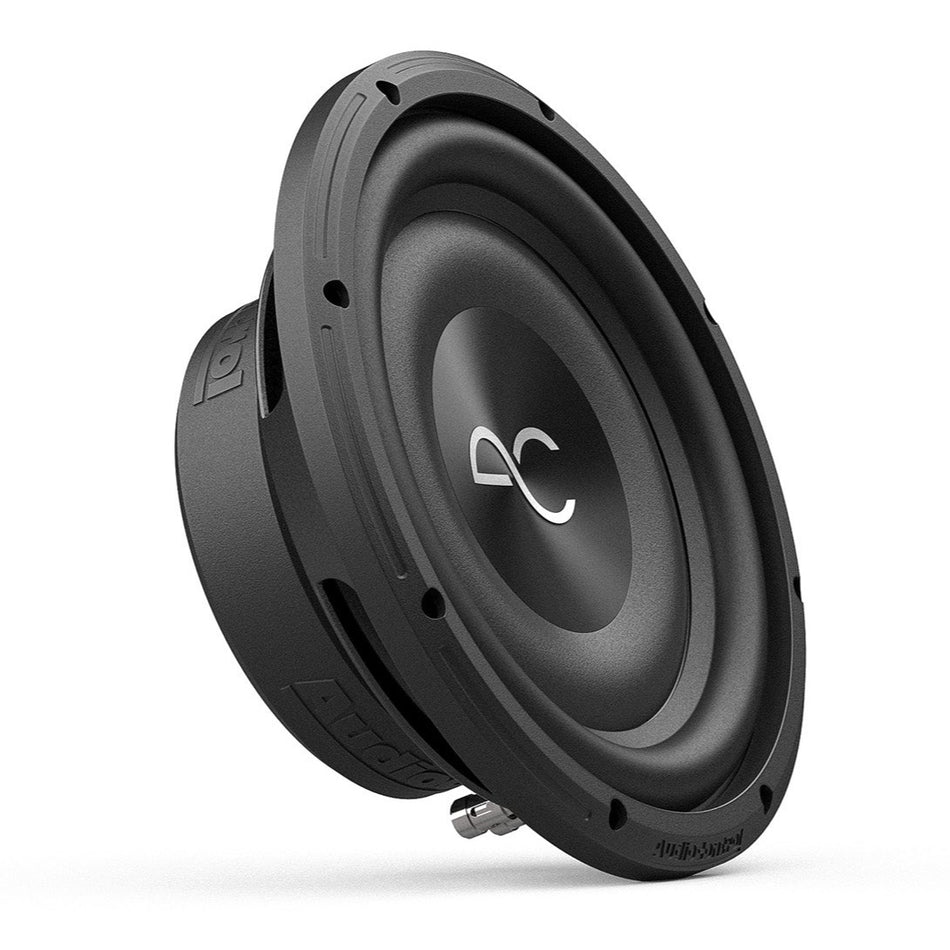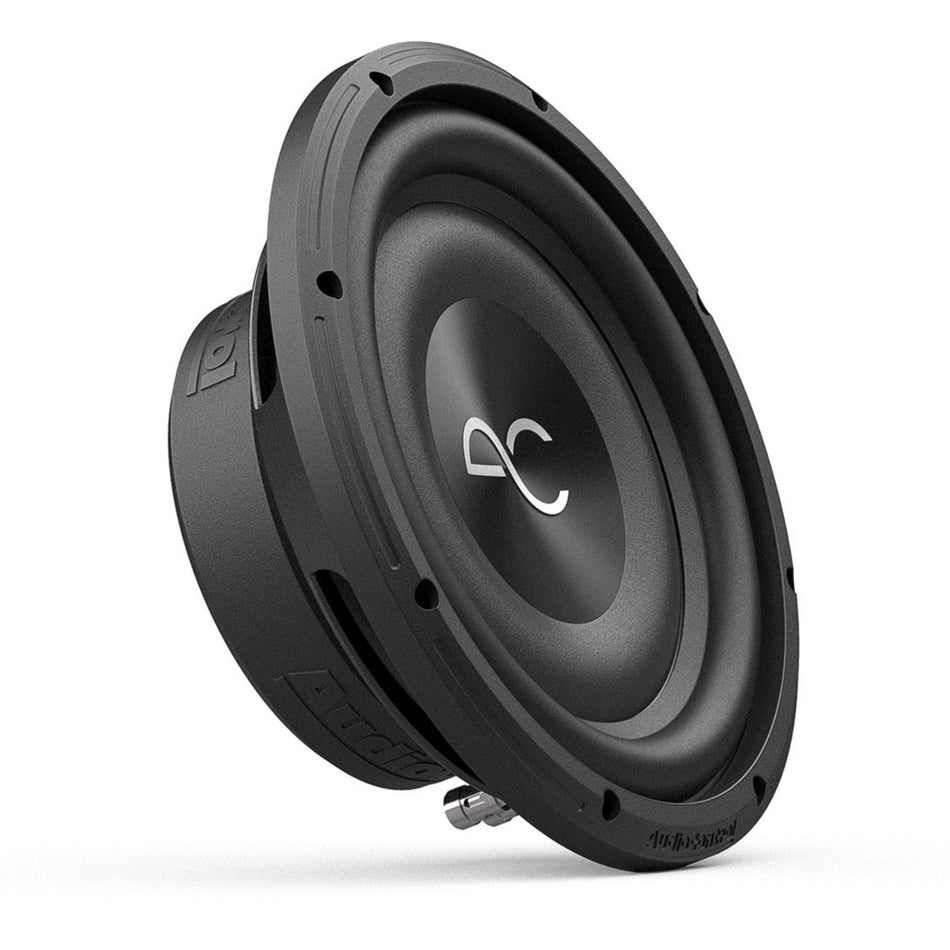

A strong bass setup does not always need a large enclosure or a trunk full of equipment. Many modern vehicles have limited usable space, especially SUVs with family cargo needs, trucks with storage restrictions, and hatchbacks where every inch matters. That is where a shallow subwoofer install becomes a smart solution for drivers who want deeper low-end performance without giving up comfort, storage, or clean interior design.
A shallow mount subwoofer is built with a slimmer basket and reduced mounting depth, allowing it to fit in places where traditional subs cannot. When paired with the right compact enclosure, proper power, and smart placement, it can add impressive bass while keeping the vehicle practical for daily use.
The key is planning the setup around the vehicle, not forcing the vehicle to work around the subwoofer. SUVs, trucks, and hatchbacks each have different cabin shapes, cargo areas, and acoustic behavior. A thoughtful install helps the shallow subwoofer perform cleanly, stay protected, and blend naturally with the rest of the vehicle audio system.
Why Shallow Subwoofers Work Well in Modern Vehicles
Many factory audio systems lack strong low-frequency output. Door speakers may handle mids and highs well enough, but they usually struggle with deep bass. Adding a shallow subwoofer fills that missing range and gives music more weight, rhythm, and energy.
The biggest benefit is space efficiency. A shallow mount subwoofer can fit behind truck seats, under seats, in side cargo panels, or in small hatchback corners. This makes it easier to upgrade bass without building a bulky box that interferes with passengers or cargo.
Shallow subwoofers are also useful for clean custom builds. Instead of making the subwoofer the center of attention, the install can look like part of the vehicle’s interior. This is especially valuable for daily drivers where appearance, safety, and usability matter as much as output.
Planning a Shallow Subwoofer Install Before Buying Parts
A good install starts before any wires are run. Measure the space where the subwoofer and enclosure may go. Check depth, width, height, seat movement, cargo access, and panel clearance. A small mistake in measurement can lead to rattles, poor fitment, or blocked storage areas.
The next step is deciding what type of bass you want. Some drivers want tight, accurate bass for rock, country, jazz, and clean daily listening. Others want stronger truck bass or deep low-end impact for hip-hop, electronic music, and bass-heavy tracks. The subwoofer, enclosure type, amplifier power, and tuning should match that goal.
You should also think about how the vehicle is used every day. A work truck may need hidden bass that does not interfere with tools. A family SUV may need cargo space for groceries, luggage, and sports gear. A hatchback may need a removable or low-profile enclosure so the rear area stays flexible.
Best Install Ideas for SUVs
SUVs offer more interior volume than trucks and hatchbacks, but the cargo area is often shared with everyday storage. A shallow subwoofer install in an SUV should add bass while keeping the rear space practical.

Side Cargo Panel Install
One of the cleanest SUV audio ideas is placing a shallow subwoofer into a side cargo panel enclosure. Many SUVs have side pockets or recessed areas near the rear wheel wells. These areas can hold a custom compact enclosure without taking up the main cargo floor.
This type of install looks neat and protects the subwoofer from loose cargo. It also keeps the rear hatch area open, which is useful for families, road trips, and outdoor gear. A side panel install works best when the enclosure is properly sealed and built to the subwoofer’s recommended airspace.
The main challenge is enclosure volume. Side panels can be tight, so the subwoofer must be chosen carefully. A shallow 8-inch or 10-inch subwoofer may perform better than forcing a larger sub into an enclosure that is too small.
Under-Floor Cargo Install
Some SUVs have hidden storage compartments under the rear cargo floor. These areas can be used for a shallow subwoofer enclosure if there is enough depth and ventilation. This is a great option for drivers who want bass without visible equipment.
An under-floor setup keeps the interior looking factory-clean. It also protects the subwoofer from damage. However, the enclosure must be sturdy, and the floor panel should not block too much sound. If the sub is buried under thick cargo materials, output may be reduced.
For better performance, the install may include a vented trim panel or grille area that allows bass to enter the cabin more freely. The goal is to keep the system hidden without choking the sound.
Rear Seat Back Enclosure
A shallow subwoofer can also be mounted in a slim enclosure against the back of the rear seat. This works well in SUVs where side panels or under-floor space are not available. The box can be shaped to follow the seat angle, keeping it low-profile and less intrusive.
This setup gives better enclosure flexibility than many hidden installs. It can support 10-inch or 12-inch shallow subwoofers, depending on space. It also allows easier access for wiring, amplifier placement, and future upgrades.
The enclosure should be securely mounted so it does not shift during hard braking or sharp turns. A clean carpeted finish can help it blend with the cargo area.
Best Install Ideas for Trucks
Trucks are one of the most popular vehicles for shallow mount subwoofer upgrades because space behind or under the seats is limited. Traditional subwoofers often need too much depth, while shallow models are designed for these tight areas.

Behind-the-Seat Install for Single Cab Trucks
Single cab trucks have very limited cabin space, which makes shallow subwoofers a practical choice. A slim enclosure behind the seat can add strong low-end output while still allowing the seat to move enough for comfort.
This setup usually works best with shallow 8-inch, 10-inch, or carefully selected 12-inch subwoofers. The box depth must be checked against the seat back and rear wall. Even a small amount of extra clearance can improve fitment and prevent vibration.
For clean sound, the enclosure should be solid and well-sealed. Thin or flexible boxes can reduce bass performance and create unwanted rattles. Strong construction matters even more when the enclosure is compact.
Under-Seat Subwoofer Install for Crew Cab Trucks
Crew cab trucks often have space under the rear seat, making them ideal for a compact enclosure. This is one of the best truck bass solutions because it keeps the system hidden and does not take away passenger room.
An under-seat enclosure can hold one or multiple shallow subwoofers depending on the truck model. Dual shallow subs can provide more output, while a single high-quality sub can keep the system simple and clean. The right choice depends on listening goals and available amplifier power.
Airspace is important in under-seat boxes. Some enclosures are built for looks but do not provide enough internal volume for the subwoofer. A properly matched box will usually sound tighter, louder, and more controlled.
Center Console Subwoofer Idea
Some trucks have large center consoles or space that can be modified for a hidden shallow subwoofer. This idea works well for custom builds where the owner wants bass close to the listening position.
A console install can deliver strong impact because the subwoofer is inside the cabin rather than behind the seats or under a thick seat cushion. It can also look very custom when finished properly.
The downside is complexity. Console builds require careful design, proper enclosure sealing, and attention to comfort. The subwoofer should not interfere with cup holders, controls, armrests, or storage areas unless the goal is a fully custom interior.
Best Install Ideas for Hatchbacks
Hatchbacks can sound excellent with the right shallow subwoofer install because the cabin and cargo area are connected. Bass usually enters the listening space easily, but space management is still important.

Compact Rear Corner Enclosure
A rear corner enclosure is one of the most practical hatchback subwoofer ideas. The box sits in one side of the cargo area, leaving most of the floor open. This gives the system enough room to perform while keeping the hatchback useful for daily driving.
A shallow 10-inch or 12-inch subwoofer can work well in this layout if the enclosure volume is correct. Since hatchbacks are smaller than many SUVs, even a moderate subwoofer can create strong bass inside the cabin.
The enclosure should be secured to prevent movement. Hatchbacks often have open cargo areas, so anything loose can become unsafe during sudden stops.
Spare Tire Well Install
Many hatchbacks have a spare tire well under the cargo floor. This area can be used for a hidden shallow subwoofer enclosure when planned correctly. It creates a stealthy vehicle audio upgrade that keeps the rear cargo area flat.
This install is popular because it looks clean and protects the equipment. The subwoofer can fire upward through a grille or vented floor panel. If the floor is too thick or sealed, bass output may suffer, so airflow and sound path should be considered.
The spare tire well install may require relocating or removing the spare tire, which is not ideal for every driver. Some owners prefer keeping emergency tools and choosing a side enclosure instead.
Removable Compact Enclosure
A removable compact enclosure is a simple and flexible option for hatchbacks. It allows the owner to enjoy bass most of the time but remove the box when extra cargo space is needed.
This setup works well for students, commuters, and anyone who occasionally carries large items. Quick disconnects can make removal easier, but the wiring must be safe and protected.
A removable enclosure should still be mounted securely during normal use. Velcro alone may not be enough for heavier boxes. Brackets, straps, or factory cargo tie-down points can improve safety.
Choosing the Right Enclosure Type
The enclosure has a major effect on how a shallow subwoofer sounds. Even a premium subwoofer can perform poorly in the wrong box.
|
Enclosure Type |
Best For |
Sound Character |
Space Need |
|
Sealed compact enclosure |
Daily listening, clean bass |
Tight, controlled, accurate |
Low to moderate |
|
Ported compact enclosure |
More output and deeper bass |
Louder, stronger low-end |
Moderate |
|
Custom side panel box |
Hidden SUV or hatchback installs |
Clean and vehicle-specific |
Low |
|
Under-seat truck box |
Crew cab truck bass |
Practical and balanced |
Low |
|
Spare tire well box |
Stealth hatchback or SUV setup |
Hidden, clean, space-saving |
Moderate |
A sealed enclosure is often the safest choice for a shallow subwoofer install because it can work well in smaller spaces and provide controlled bass. Ported boxes can be louder, but they need more airspace and proper tuning to avoid sloppy or boomy sound.
For SUVs, trucks, and hatchbacks, the best enclosure is usually the one that fits the vehicle correctly while meeting the subwoofer’s recommended specifications.
Matching Amplifier Power to the Shallow Subwoofer
A shallow subwoofer needs clean power to perform properly. Underpowering the subwoofer can lead to distortion if the amplifier is pushed too hard. Overpowering it without careful tuning can damage the voice coil.
Focus on RMS power, not peak power. RMS tells you the continuous power the subwoofer is designed to handle. The amplifier should match that rating closely, with enough headroom for clean output.
For example, if a shallow mount subwoofer is rated at 400 watts RMS, pairing it with an amplifier that delivers around 400 watts RMS at the correct impedance is usually a strong match. Proper gain setting is just as important as the power rating.
Wiring and Signal Planning
Clean wiring supports clean sound. Use the right gauge power wire for the amplifier, secure the ground connection to bare metal, and protect wires from sharp edges or moving seat brackets.
Signal quality matters too. If the vehicle keeps the factory radio, a line output converter or processor may be needed to send a clean signal to the amplifier. Some factory systems reduce bass at higher volume, so bass restoration or proper signal correction may help improve output.
Speaker-level integration should be handled carefully in modern vehicles. Many SUVs, trucks, and hatchbacks use factory amplifiers, active crossovers, or equalized signals. Connecting to the wrong wires can cause weak bass or poor tuning results.
Tuning Tips for Bass and Clarity
A shallow subwoofer install should not overpower the rest of the system. Good tuning helps bass blend with the front speakers instead of sounding separate or muddy.
Start with the low-pass crossover. Many subwoofer systems work well around 70 to 90 Hz, depending on the speakers and vehicle. If the crossover is set too high, bass may become directional and pull sound toward the rear. If it is set too low, the system may feel weak or disconnected.
Set gain carefully using a clean test signal or professional tuning method. Gain is not a volume knob. It matches the amplifier input to the source signal. Incorrect gain settings are one of the biggest reasons subwoofers distort.
Phase adjustment can also improve output. If the subwoofer and door speakers cancel each other near the crossover range, bass may sound thin from the driver’s seat. Switching phase or using time alignment can help the subwoofer blend better.
Reducing Rattles and Bass Loss
Bass exposes weak points in a vehicle. Door panels, hatch trim, license plates, rear seats, and plastic cargo panels may start vibrating once the subwoofer is installed.
Sound deadening can help reduce rattles and improve bass response. Applying damping material to problem areas can make the system sound cleaner and more solid. This is especially useful in hatchbacks, where rear panels and hatch doors often vibrate.
Mounting the enclosure securely is also important. A loose box can waste energy and create noise. The subwoofer should move air, not shake the enclosure around the cabin.
Practical Setup Ideas by Vehicle Type
|
Vehicle Type |
Best Install Idea |
Recommended Sub Size |
Main Benefit |
|
SUV |
Side cargo panel or under-floor box |
8”, 10”, or 12” shallow |
Keeps cargo space open |
|
Single cab truck |
Behind-seat slim enclosure |
8” or 10” shallow |
Fits tight cabin space |
|
Crew cab truck |
Under rear seat enclosure |
10” or dual 10” shallow |
Hidden truck bass |
|
Hatchback |
Rear corner compact enclosure |
10” or 12” shallow |
Strong bass with flexible space |
|
Small hatchback |
Spare tire well or removable box |
8” or 10” shallow |
Stealth and cargo-friendly |
These ideas are not one-size-fits-all. The best choice depends on the vehicle layout, listening goals, and how much space you are willing to use.
When a Shallow Subwoofer Is Better Than a Traditional Subwoofer
A traditional subwoofer may provide more output in a large enclosure, but that does not mean it is always the better choice. In many real-world installs, a shallow subwoofer is more practical and performs better because it actually fits the vehicle correctly.
A shallow mount subwoofer is a smart choice when space is limited, the build needs to stay hidden, or the vehicle is used daily for passengers and cargo. It is also a strong option when the goal is balanced bass rather than extreme SPL.
For SUVs, trucks, and hatchbacks, the right shallow subwoofer install can make the system feel fuller without turning the vehicle into a show build. It delivers the low-end energy many factory systems lack while keeping the interior clean and usable.
Building a Clean Vehicle Audio System Around the Subwoofer
A shallow subwoofer should be part of a complete system, not just an add-on. Bass sounds better when the front speakers are clear, the amplifier is matched correctly, and the signal is tuned properly.
Drivers upgrading their vehicle audio setup should think about the full chain: source unit, signal processor, amplifier, subwoofer, enclosure, wiring, and acoustic treatment. Each part affects the final result.
Elite Auto Gear offers a range of car audio equipment for builds focused on compact bass, clean output, and daily-driver usability. Choosing the right combination helps avoid wasted money and makes the install easier to tune.
A well-planned shallow subwoofer install gives SUVs, trucks, and hatchbacks the bass they are missing without taking over the vehicle. With the right enclosure, smart placement, clean power, and careful tuning, a compact setup can sound much bigger than it looks.